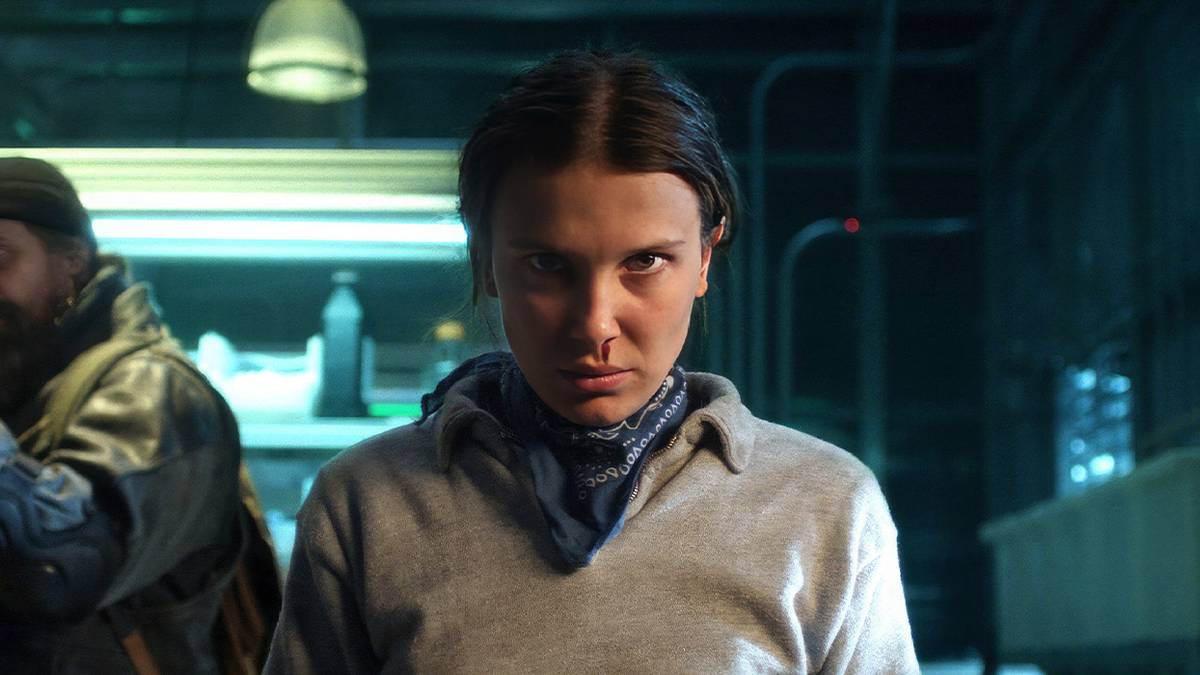
With the fifth and final season of Stranger Things looming, Netflix has struck an unprecedented deal with AMC to play the finale, “The Rightside Up,” in theaters across the U.S. and Canada on New Year’s Eve — at exactly the same time it premieres on the platform. This marks a first in Netflix’s history and in the world of streaming as a whole, raising an important question: why aren’t high-end streaming releases a regular feature in movie theaters?
Theatrical screenings don’t just benefit TV shows’ production teams — they’re in high demand from audiences too. Before Stranger Things first premiered on Netflix in 2016, shows like House of Cards and Orange Is the New Black had already set a new standard, bringing streaming subscription into the mainstream and uniting audiences from the confines of their own homes. However, what streaming gave viewers in convenience, it took away from community.
The appetite for this kind of communal storytelling isn’t unique to Netflix. Apple TV could easily explore screenings with Severance — think of how much popcorn would be flying around during the “The Windmills of Your Mind” scene at the end of Season 2. Prime Video also has a big opportunity with Fallout‘s upcoming return, thanks to a dedicated fan base. The finales of these shows are on the scale of Marvel movie releases or major sporting matches, and watching them surrounded by equally passionate fans transforms the story into collective event cinema.
Netflix Offering More Theater Screenings Makes Complete Sense
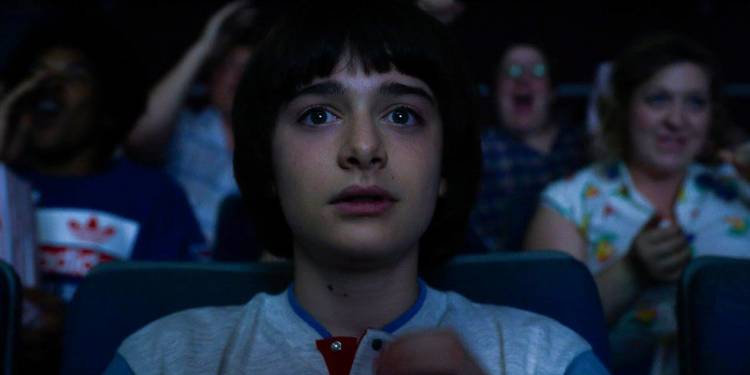

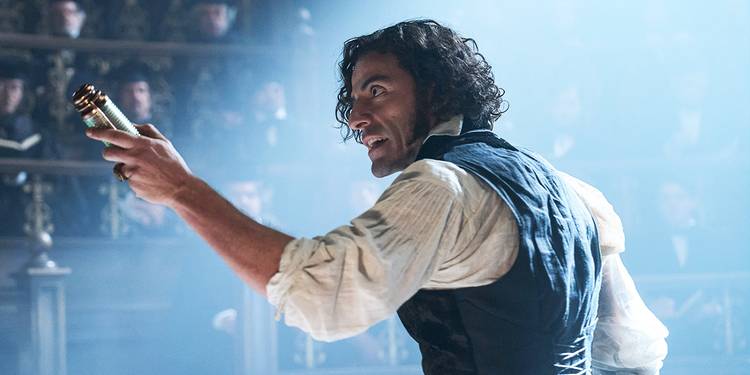
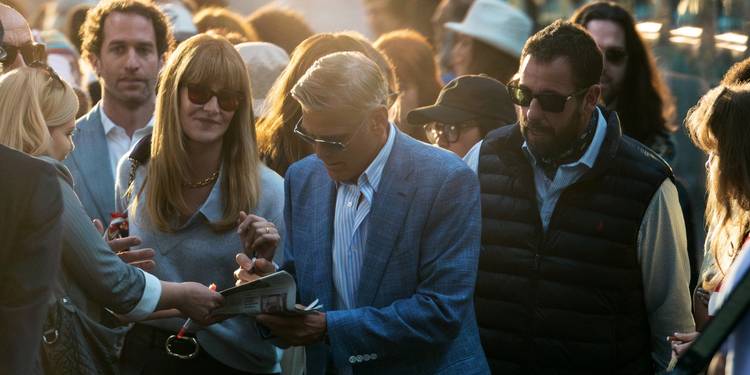
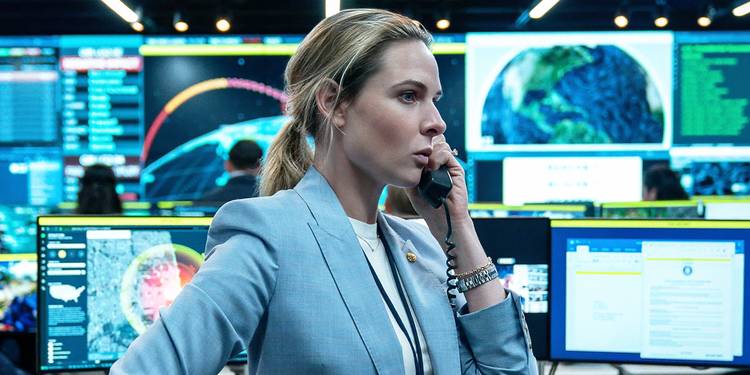
Releasing high-profile streaming titles in theaters represents a natural evolution and a smart business move for Netflix. It complements the company’s expanding portfolio, which now includes video podcasting, gaming, live events, and e-commerce. Since the Duffers launched Stranger Things, Netflix has transformed into a very different business, as they noted in a recent Variety interview, even creating a consumer products division after executive producer Shawn Levy’s instructions! Adding theatrical distribution to its release strategy allows Netflix to pioneer new viewing models, grow fan communities offline, and unlock additional revenue streams.
A theatrical finale also wouldn’t cannibalize subscriptions — it would amplify them, while driving ticket sales to cinemas struggling in the digital era. For viewers who don’t subscribe but don’t want to miss out, theaters provide a means of participation without committing to a monthly plan. The theater setting also creates more opportunities around merchandising and concessions — Stranger Things 5 has already released a Demogorgon popcorn bucket, but for home use! It’s as if every piece of the puzzle is in place besides the last, and, arguably, the most important.
The Duffer Brothers previously told Netflix’s Tudum that theatrical screenings are “something [they’ve] dreamed about for years.” Ironically, they recently signed a four-year deal with Paramount to pursue feature films, citing the ability to work theatrically as a major draw away from Netflix. With streaming productions now rivaling feature films in scope, scale, and storytelling, theatrical releases shouldn’t be the exception — they should be the next evolution. Netflix, often blamed for shrinking theater audiences, could become the company that brings them back by challenging its own streaming-first policy. Feature-length runtimes, blockbuster budgets, and actors with movie-star power already make shows feel like theatrical releases, so why should they have to skip the big screen?