‘IT: Welcome to Derry’ series ending explained: Why was Pennywise trying to leave Derry?
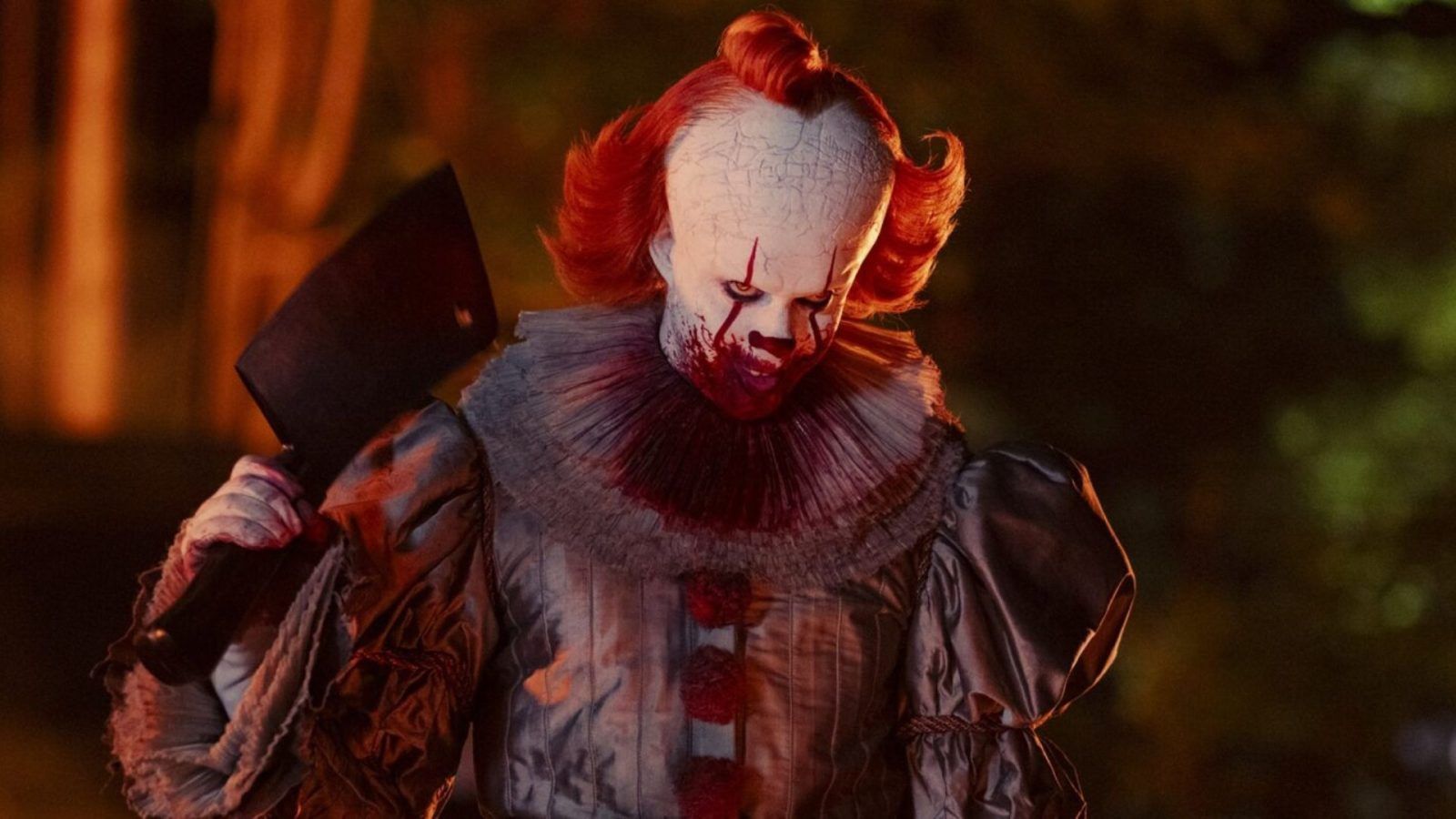
IT: Welcome to Derry closed its first chapter by completing a cycle rather than breaking it. Pennywise was revealed not as a simple monster. Rather, he is a time-defying, godlike force that feeds on fear and division. The finale recontextualised the movies and tied bloodlines and trauma together. It also showed how Derry’s greatest horror is its ability to look peaceful after everything it has allowed to happen.
It was perversely comforting in a way to keep coming back to Derry. Even though you were fully aware of what kind of town it was, the attraction was still there. IT: Welcome to Derry was very much about that familiarity from the very beginning, but it didn’t go through the Pennywise’s greatest hits. Rather, it took another cycle of fear, grief, and the usual small-town denial where evil was not an anomaly, but routine. Let’s explore IT: Welcome to Derry series ending explained.
During its one season only, the series was a lot less focused on shocks and more on the accumulating sense of anxiety and terror. The past was heavy on the present in Derry. The pain quietly went from one generation to another like an illness nobody bothered even bother to name. When the last episode came, Derry was, in a way, saturated. It was saturated with missing children, adults morally compromised
Pennywise, again, turned out out to be not a monster (actually a shapeless and formless godlike entity). Instead, he was a being who understood human weakness frighteningly well. He played on the fears and prejudices and bigotries to turn people against themselves in this Stephen King adaptation. But those fears and prejudices and bigotries were already present. He just proved how rotten to the core the American society is.
The last episode is called Winter Fire. It comes with the same certainty as a feeding cycle coming due. The distinctions become less clear between past and future, adults and children, fate and defiance. The show starts to connect one by one King’s old threads. You know, the Shine (from King’s novel The Shining) and the feeling that Derry is not a town but a cage.
Below is a full breakdown of what happened and what it meant.
IT: Welcome to Derry finale plot
The grand finale was marked by the arrival of the fog that had become notorious. It was not really a weather event. It was more a sign that Pennywise was fully active. Kids disappeared by a huge number. Then, they were summoned to the school auditorium where Pennywise was there. He was making the dead body of the principal speak. Quite a lot of horror and drama. Derry, after all, has been town that had been pretty much well-seasoned in turning a blind eye to its own warning signs.
The thing that mattered was not only the terror of the scene but also the emptiness that was surrounding it. The adults of Derry had literally disappeared. As usual, the town went for its usual silence, denial, and locked doors, the very same factors that had been nurturing Pennywise for hundreds of years.
Pennywise’s exit strategy, and why it mattered
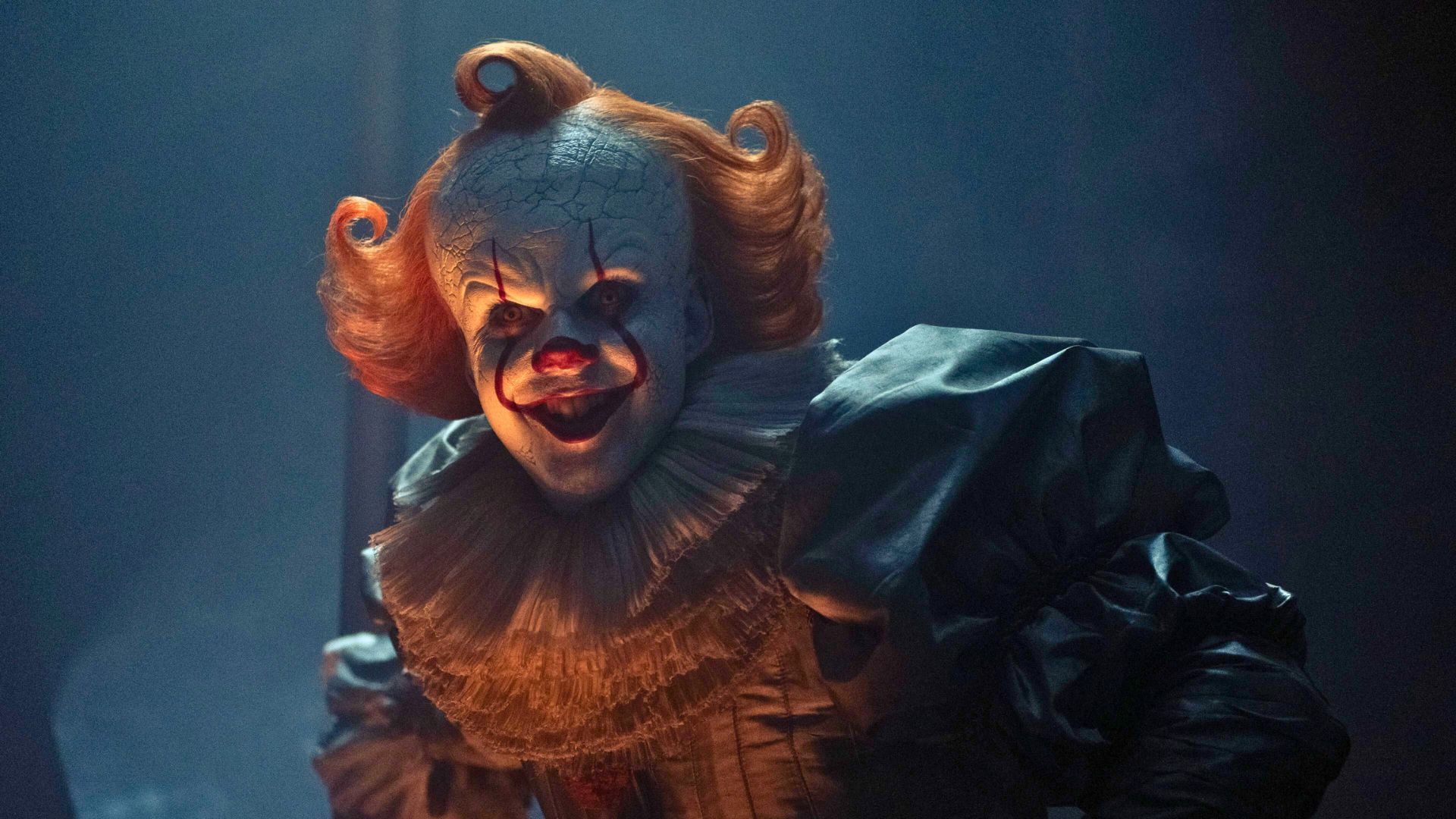
For the first time, Pennywise wasn’t simply feeding. He was leaving. I suppose this revelation was necessary to not just continue with the original story. The series wanted to tell a story that we didn’t already know. We, for instance, know IT is alive and active by the time we come across the Losers’ Club. After all, they are the ones who end the threat of IT once and for all. So the series also needed a sense of accomplishment on part of the predecessors of the Losers’ Club: Veronica, Lilly, Will, Rich, and so on.
So Pennywise was planning to go beyond Derry’s border. He was pulling along a bunch of kids in a coma (the scene reminded me of Weapons, one of 2025’s best horror movies). Anyhoo, the moment changed the whole vibe of the threat. Derry was not a hunting ground for Pennywise. Well, not just that anyway. It was a prison for him. The ancient pillars and the Deadwood tree were the frameworks holding down something way bigger and way older than the town. The last scene was very explicit: if Pennywise got out of Derry, the cycle would not stop. It would grow further.
The magical dagger
The magical dagger had hovered ambiguously throughout the season. In the finale, its purpose was finally clear. The blade wasn’t meant to kill Pennywise, nothing could. Well, nothing except for the Losers. Instead, it functioned as a missing column in the cage that kept him bound to Derry. Burying it beneath the Deadwood tree restored that boundary. It sealed the town once again. This wasn’t victory, mind you. It was just containment. And the show was careful to underline that distinction.
Pennywise, after all, would not defeated for decades to come.
Dick Hallorann and the cost of seeing too much
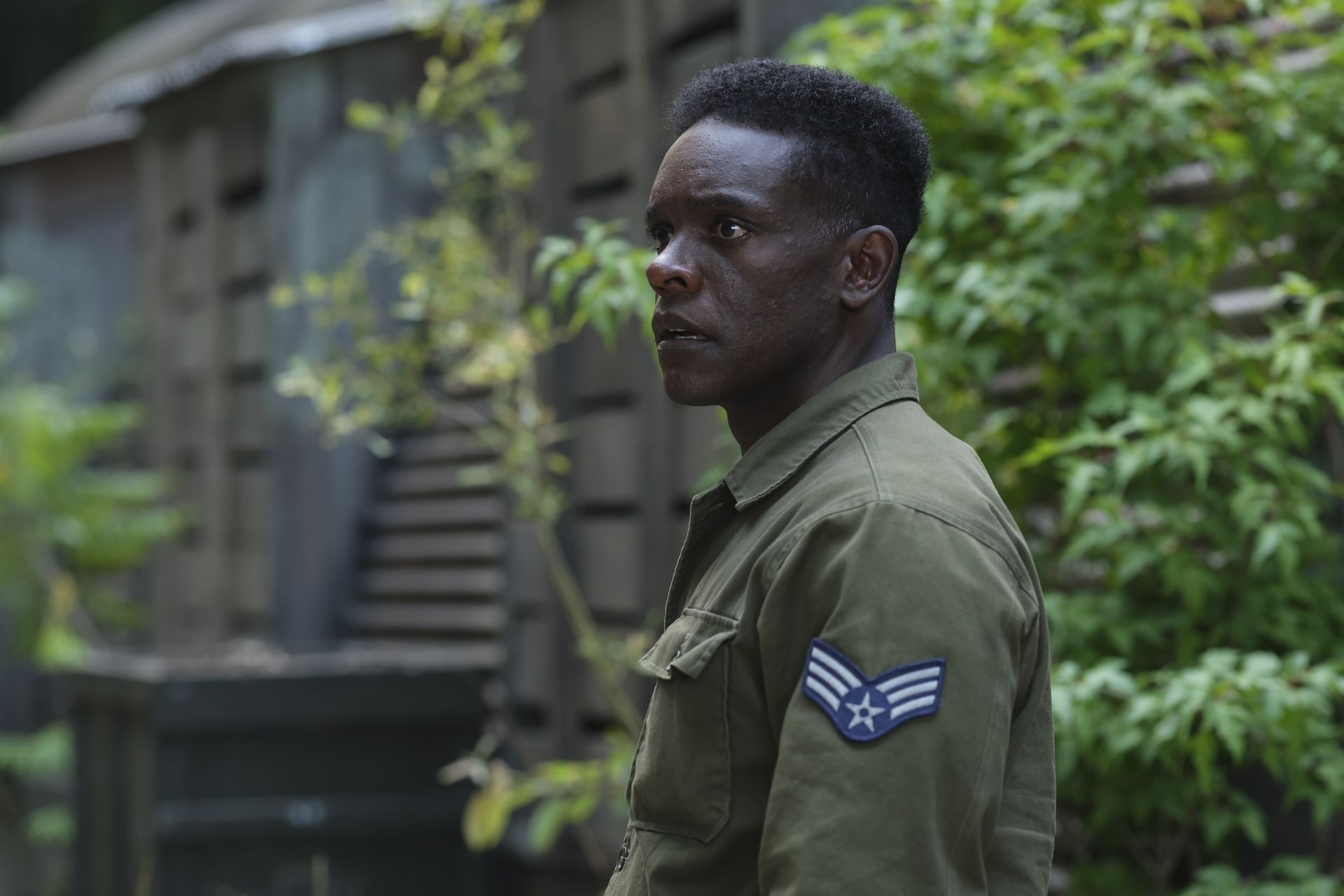
Dick Hallorann is a character that we know already from Stephen King’s novel The Shining. The author, like the creators of Welcome to Derry, has a knack for building interconnected stories. Dick’s role was fundamentally very important, and eventually his Shine, which had been for a long time a source of terror due to constant screams and hallucinations, became the only force that could actually stop Pennywise from moving forward.
Hallorann diverted the entity to a mental construct. He confined Pennywise. Hallorann had spent the whole season of the show trying to avoid connection, and he had been dulling himself in order not to suffer from too much knowledge.
In the last round, he decided to do the exact opposite. He picked love and loyalty. The most stark and straightforward change in the emotion of the entire series was the transformation of the character Hallorann when he decided that his powers should not be used to save him alone, but rather to help others.
It all does make me wonder why didn’t he stay in Derry to help the future generations of kids, instead of taking up the job of the head chef at the Overlook Hotel all the way in Colorado. He does say, “How much trouble can a hotel be?” not realising what awaits him in that hotel. Still, it is nice how Welcome to Derry references other King’s works and adaptations. There was also a mention of the Shawshank prison from The Shawshank Redemption, one of my comfort movies.
Pennywise explains himself, and reveals the real horror
During his confrontation with Marge, Pennywise was the first to actually say what the show had been implying all season: he didn’t experience time in a linear fashion, kind of like Doctor Manhattan from DC Comics and also DC movie Watchmen (2009). For him past, present, and future were unfolding simultaneously. He was already aware of the shape of his own defeat. He knew that the Losers Club would be the ones to kill him one day. And that knowledge scared him to death.
This was the most important revelation of the final episode. Pennywise was not an omnipotent being. He was just incredibly clever. His plan was not only to feed, but also to go back in the timeline sooner and sooner, thereby killing ancestors before children who were going to defeat him could ever be born.
In short, IT: Welcome to Derry was a story of a cosmic being, Pennywise, who was terrified of inevitability.
Marge Truman and the bloodline revelation
The revelation that Marge Truman would be the mother of Richie Tozier was not intended to be a surprise twist. It served as one of the examples. Pennywise followed families and destinies to observe and chains of cause and effect.
His fascination with Marge was not a kind of sadistic pleasure, as it seemed. It was intended to save him from his inevitable fate. The show, therefore, changed the origin of the horror of Derry to the family tree of the terror. Trauma didn’t just repeat emotionally. It echoed biologically and, well, historically.
Juniper Hill and Beverly Marsh
The last sequence going to Juniper Hill Asylum changed the perspective of one of IT: Chapter Two‘s scariest moments. Seeing a young Beverly Marsh (Sophia Lillis from the original movie; she is also known for All Her Fault) at the exact moment of her mother’s death made Pennywise’s evil nature absolutely clear from the beginning. Mrs. Kersh was not only a random face. The statement “no one who dies here ever really dies” sounded less like a menace and more like an idea underlying the whole series.