This Neo-Western Psychological Thriller Series Made 1 Major Change Between Seasons To Make It Better
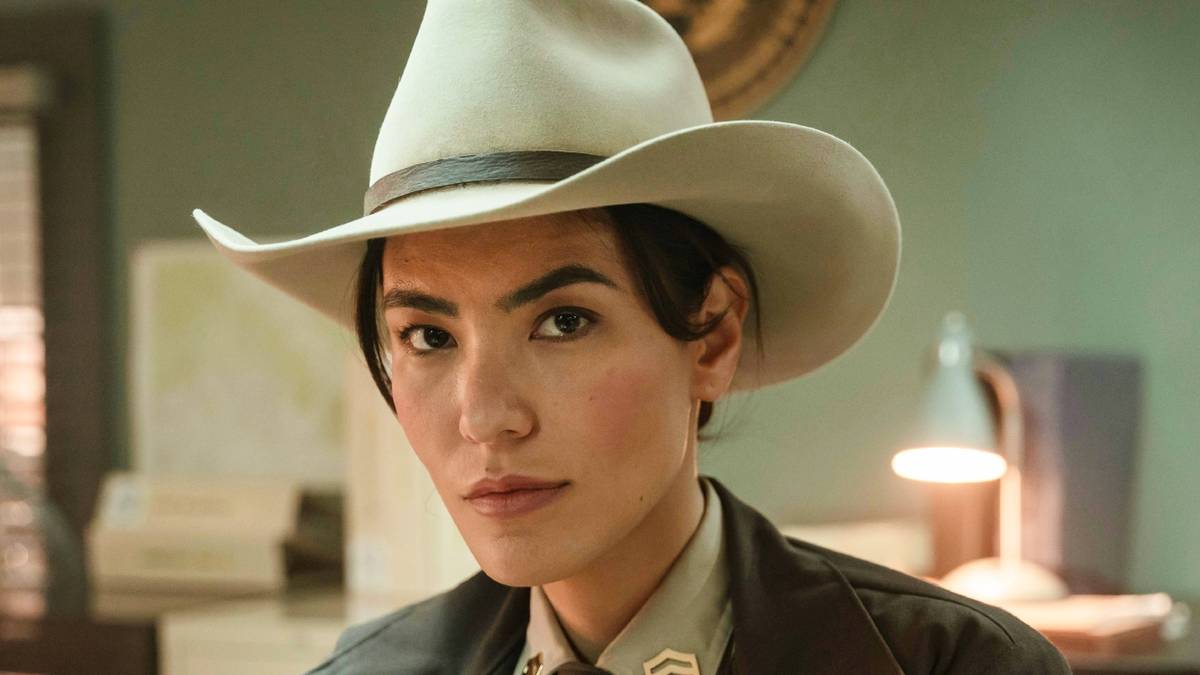
‘Dark Winds’ Fought For Cultural Accuracy After Its First Season

When Dark Winds first launched on AMC in 2021, critics raved about the series for its groundbreaking work in Native American representation. Headlined by longtime TV star Zahn McClarnon (who previously appeared on Longmire, The Son, and Westworld), the series featured an impressive Native cast and a writers’ room full of indigenous creatives excited to tackle these 1980s mysteries. Partnered with shows like FX’s Reservation Dogs, the Peacock sitcom Rutherford Falls, and later Marvel’s Echo, it seemed as if Hollywood was finally allowing Native American voices (on both the cast and crew) to be heard. But although Dark Winds attempted to be accurate to the reservation experience from the get-go, there were certain liberties taken for the sake of television — liberties that were criticized by Navajo (or Diné, as they call themselves) audiences. This was true, even with the fact that Deanna Allison, who plays Emma Leaphorn, is Diné, and grew up in a traditional Navajo home in the Colorado River Tribes.
When speaking about these criticisms, Dark Winds executive producer and prolific director Chris Eyre (the creative mind behind Smoke Signals) promised that any corrections that needed to be made would be. “It’s critically important to all of us that we represent the culture correctly,” he explained in the aforementioned Navajo Times article. “As we go forward, we want to make sure we’re reflecting as much as we can of Navajo culture in the best way.” Of course, this wasn’t the only major shakeup between seasons. Showrunner Vince Calandra left the production ahead of its second season, with former Hell on Wheels showrunner John Wirth taking over from that point on.
‘Dark Winds’ Employs Navajo Cultural Consultants to Ensure Authenticity
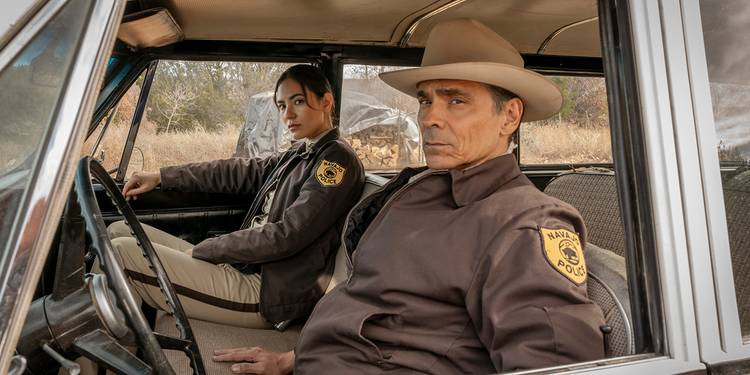
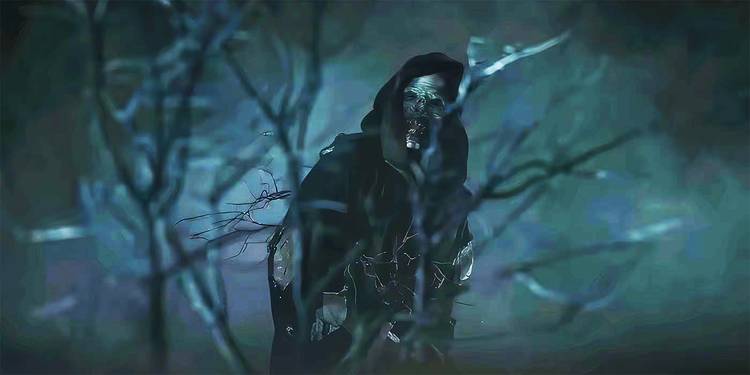
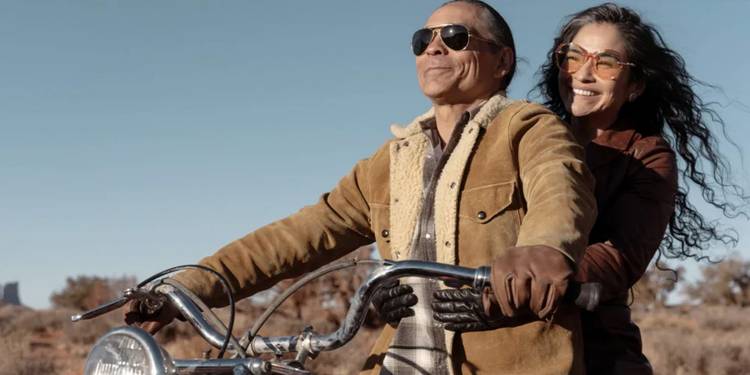
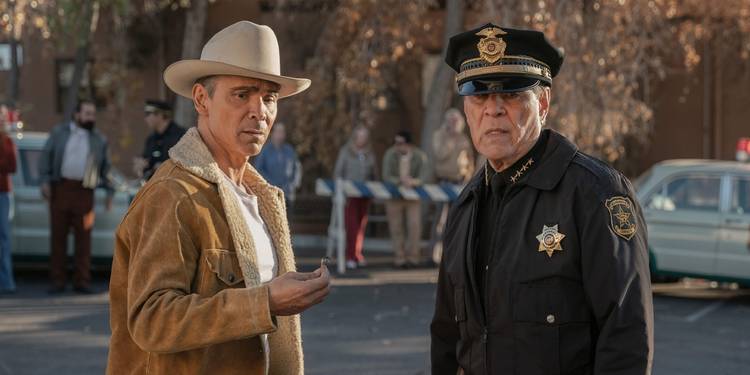
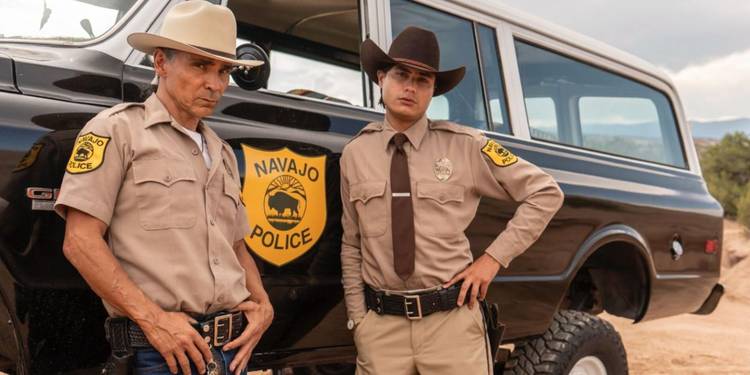
The various comments and complaints about Dark Winds Season 1 (which, from a narrative perspective, is still an excellent piece of work) ultimately led to AMC hiring George R. Joe as a cultural advisor for the sophomore season. As Joe told The Los Angeles Times, “I saw an opportunity to make an impact from within by helping create more accurate portrayals of the Navajo culture.” Credited as the “cultural advisor” for the first four episodes of Season 2, Dark Winds quickly corrected course, doing its best to honor its real-life Diné audience. By the time Season 3 was in development, the production had hired husband-and-wife duo Manny and Jennifer Wheeler as its new language and cultural consultants, who contributed as early on in the process as in the writer’s room. It’s no wonder that, unlike the previous two seasons, the titles of every third season episode are expressed in both the English and Diné languages.
Likewise, Chris Eyre praised the writers for further embracing the Navajo culture going into the third season. “Certainly, the Native American writers have given this a dimension of authenticity that I don’t think was as built out in the [Leaphorn and Chee adaptation] 20 years ago,” he told Collider. “So, I think the writers have really amped it up and leveled it up to an authenticity without being egotistical about it.” Having course-corrected over time, Dark Winds has thrived as one of AMC’s biggest television hits, with the fourth season set to premiere in February 2026. As the neo-Western continues to surprise audiences with its well-paced mysteries and intense personal arcs, we cannot wait to see where Leaphorn and Chee will go next.
Dark Winds is available for streaming on AMC+.