The Truth About the 260,000 Attendees at BTS’s Free Concert: Seoul Government Seems Like a Warning to HYBE
The Seoul Metropolitan Government has released the exact number of attendees at BTS’s free concert in Gwanghwamun on the evening of March 21st.
The Seoul Metropolitan Government has just released official figures regarding BTS’s comeback event held on the evening of March 21st in the Gwanghwamun area. According to the figures, between 8:00 PM and 9:00 PM – the time of the main performance – the total number of people present in the Gwanghwamun area and City Hall Station was recorded as 75,927, rounded to approximately 76,000. Of these, foreign visitors accounted for about 25%.
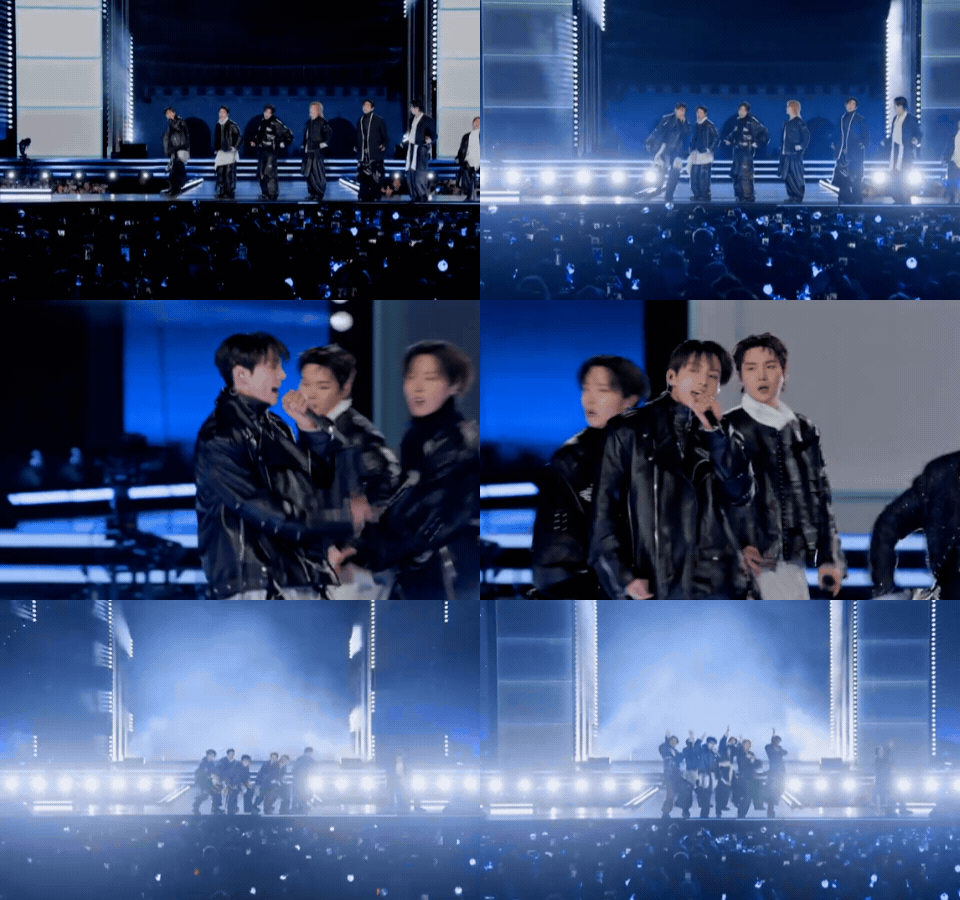
On March 26th, the Seoul Metropolitan Government released official figures related to BTS’s comeback event held on the evening of March 21st in the Gwanghwamun area.
The data was compiled based on the “City Data” system – real-time population data of Seoul combined with signals from major telecommunications carriers such as SKT, KT, LG U+, and public transport card payment data at key stations including Gwanghwamun, City Hall, and Gyeongbokgung. Government representatives stated that this system includes foreigners staying for less than 90 days, thus most accurately reflecting the actual size of the crowd at the time of the event.
According to detailed analysis, the figure of nearly 76,000 people includes not only the audience but also local residents, security forces (estimated at around 15,000), and tourists. This figure was used in in-depth reports on safety management and urban data analysis following the event.
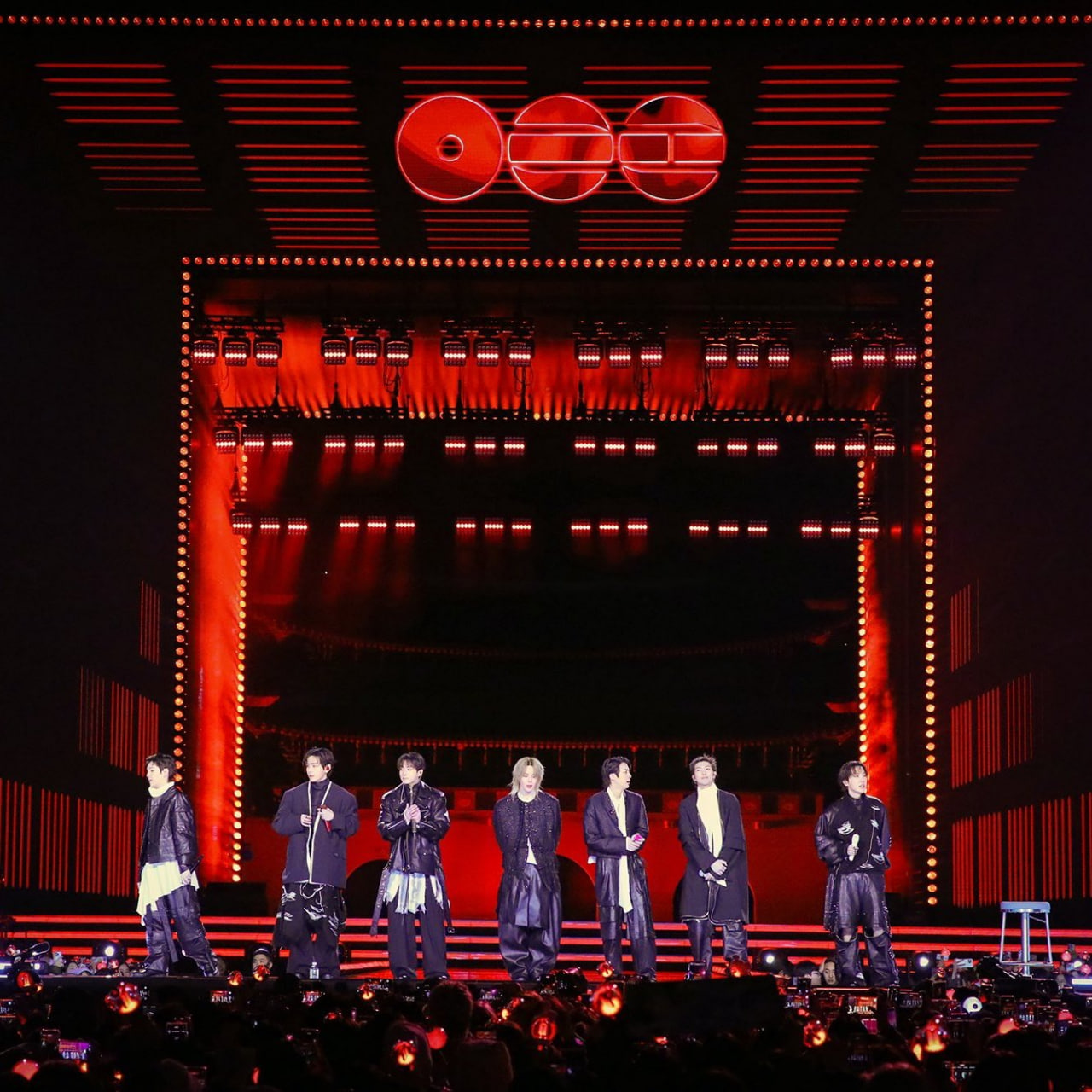
After the event, BTS’s free concert in Gwanghwamun sparked controversy with conflicting figures from various agencies and organizations (image: IG).
After the event, BTS’s free concert in Gwanghwamun sparked controversy with conflicting figures from various agencies and organizations. According to information provided to the Korean media, Seoul police estimated the attendance at approximately 40,000-42,000 people, primarily counting those gathered directly in the square and within security checkpoints. Meanwhile, the Ministry of Administration and Safety (MOIS) gave a figure of around 62,000, expanding the scope to include surrounding areas.
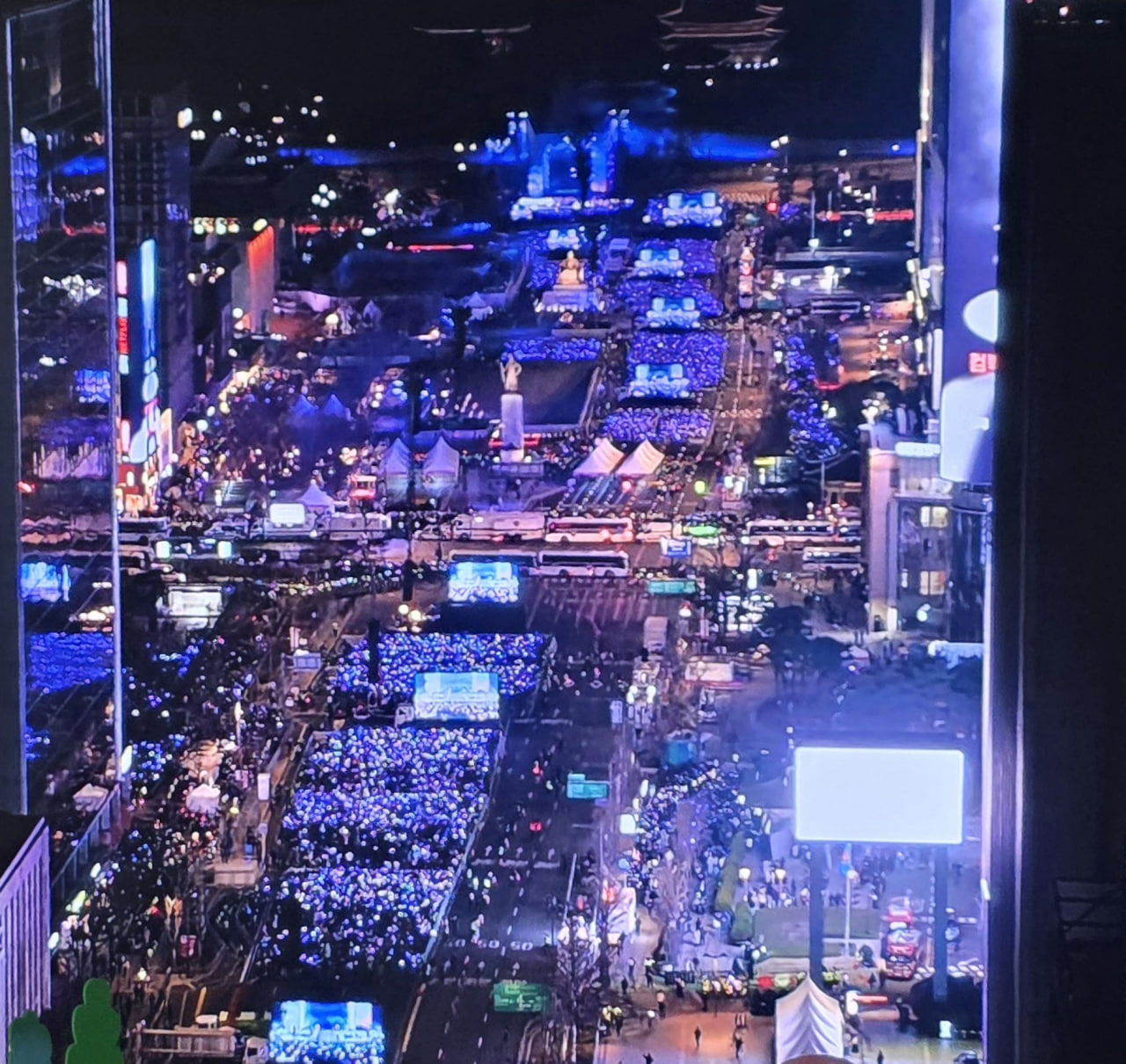
Gwanghwamun Square during the event (photo: X)
Notably, HYBE – BTS’s management company – announced a figure of 104,000 people. This discrepancy is explained by differences in statistical methodology and scope. Specifically, the Seoul government recorded the number of people present simultaneously at a specific time, while HYBE measured based on the number of people with official tickets and aggregated user location data from three mobile carriers, as well as the number of tourists present in the square and surrounding areas during the event, and the security personnel on duty. However, these figures differed significantly from the 260,000 people warned about before the event, causing controversy surrounding BTS.
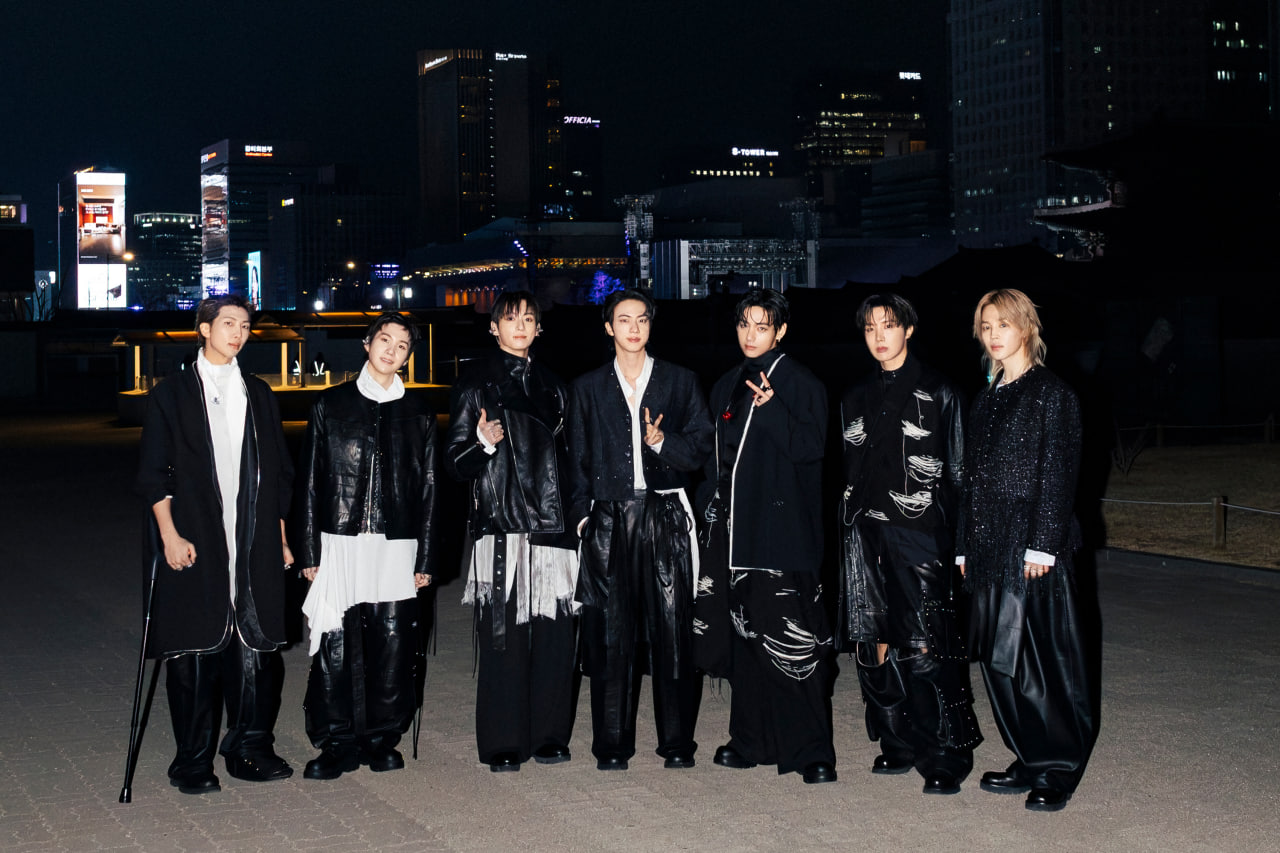
The BTS: The Comeback Live | Arirang event on March 21st not only attracted a large live audience but also created a global impact when it was broadcast on Netflix in 190 countries and territories (image: bts_bighit)
BTS: The Comeback Live | The Arirang concert, held on March 21st, not only attracted a large live audience but also achieved global reach by being broadcast on Netflix in 190 countries and territories. According to the platform, the program garnered 18.4 million views, becoming one of the largest online music events on the platform in terms of reach. Furthermore, behind-the-scenes information reveals that Netflix covered all organizational costs without receiving sponsorship, despite previously negotiating with major corporations in the aviation, finance, and technology sectors for tens of billions of won. Instead of inserting advertisements, the streaming giant decided to bear the entire enormous organizational cost itself, estimated at hundreds of billions of won. At the same time, it ensured full intellectual property rights for HYBE, maintaining exclusive control over the content.
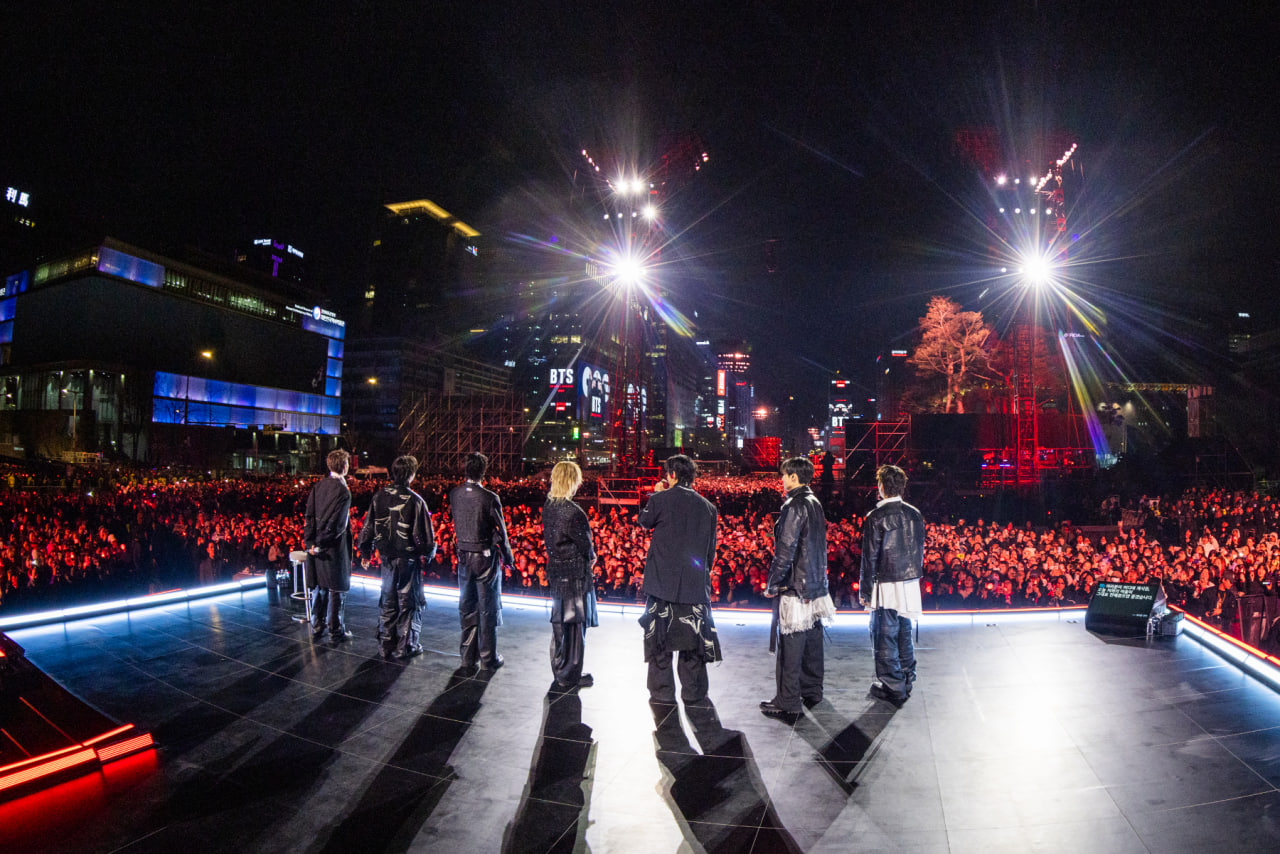
BTS’s impact was undeniable, drawing the world’s attention to the “heart of Seoul” on March 21st (photo: IG).
Despite the controversy surrounding their comeback event in Gwanghwamun, the impact of BTS’s Gwanghwamun comeback is significant. From record-breaking viewership to Netflix covering all organizational costs, the released data reveals the scale and level of investment in the event. BTS was chosen by South Korea as a cultural ambassador and demonstrated their influence by drawing the world’s attention to the “heart of Seoul” on March 21st. Furthermore, their 14th studio album, ARIRANG, is currently topping global music charts, continuing to break records for the world’s number one group.