A cinematic masterpiece dominating 85 countries: Both painful and breathtakingly beautiful, a visual nightmare that mesmerizes viewers
This is not just a movie, but a cinematic experience that touches the deepest layers of human emotion. From the icy Arctic to glowing laboratories, the film draws audiences into a world of tragedy, artistry, and humanity.
The global fever of Frankenstein
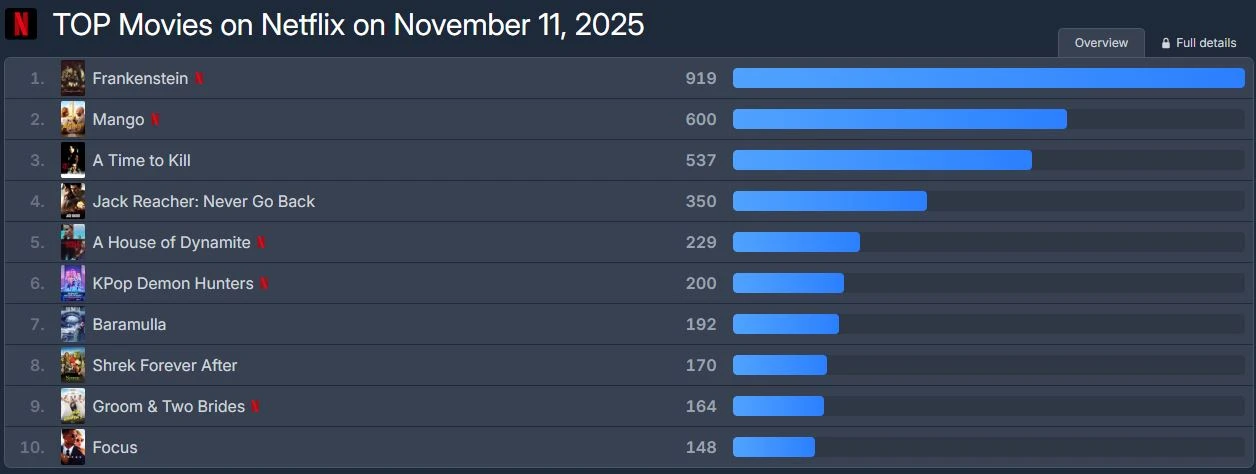
Upon its release, Frankenstein (2025) by Guillermo del Toro became a global cinematic phenomenon. The film quickly rose to #1 on Netflix in 85 countries, becoming a hot topic across social media and international film forums. This achievement is not only due to the reputation of the renowned director or the classic source material from Mary Shelley’s novel, but also thanks to a flexible release strategy: combining limited theatrical screenings with worldwide streaming.
In terms of critical reception, the film holds 86% on Rotten Tomatoes, reflecting strong critical consensus, and is rated 7.7/10 on IMDb. These numbers show that Frankenstein is both a visual spectacle and a work recognized for its content quality and performances.
The film dominating Netflix globally
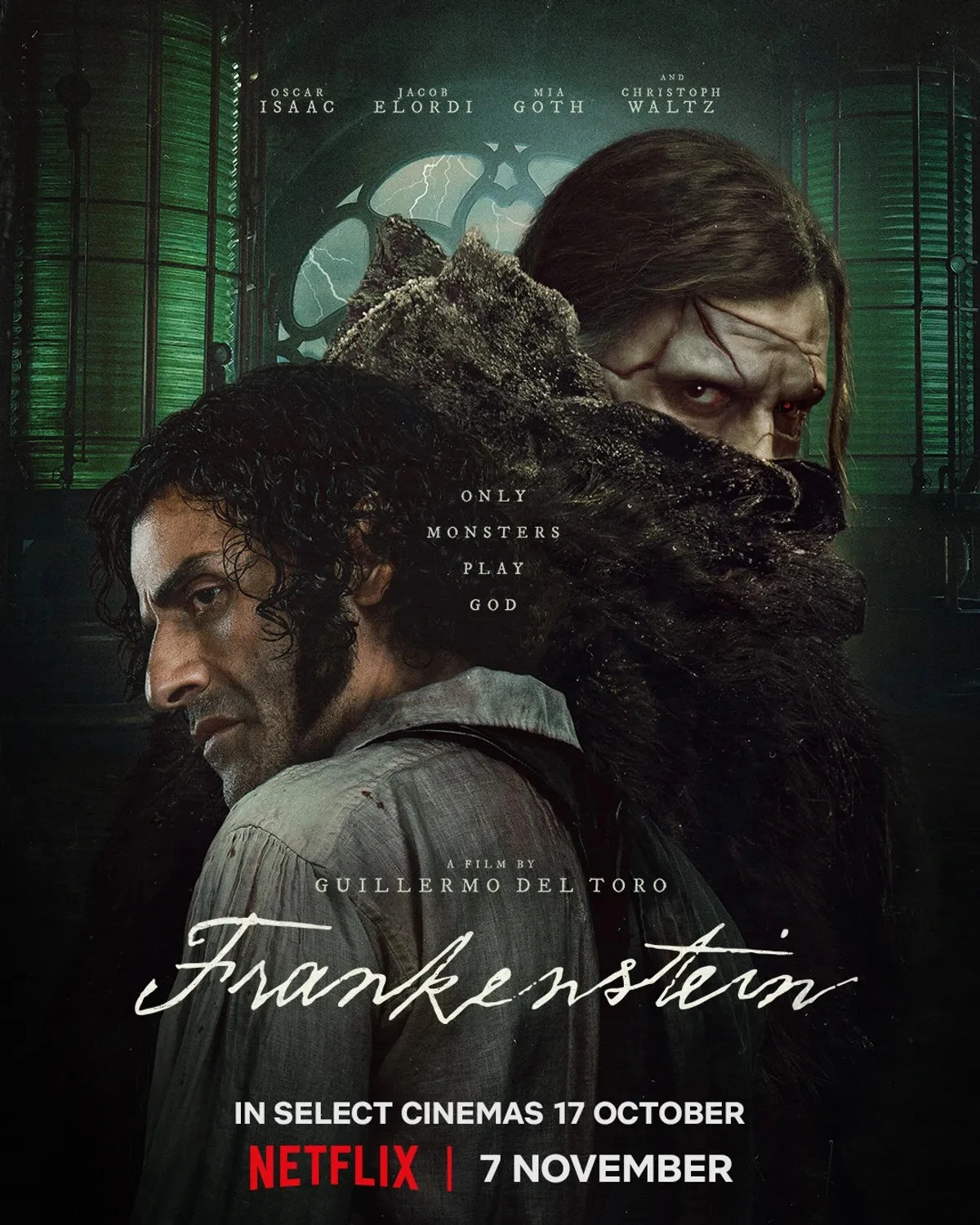
Frankenstein tells the story of Victor Frankenstein — a brilliant but arrogant scientist determined to conquer death by creating life from fragments of matter and electrical energy. When the creature (played by Jacob Elordi) comes to life, the story expands beyond traditional horror, becoming a journey of searching for humanity, understanding, and the longing to be accepted.
The creature, rejected by society, must learn to understand the world and himself. Meanwhile, Victor gradually realizes the consequences of his overwhelming ambition: creative power rebelling against him, love slipping away, and guilt growing heavier. The story revolves around the complex relationship between creator and creation — both adversarial and intertwined, symbolic yet deeply emotional.
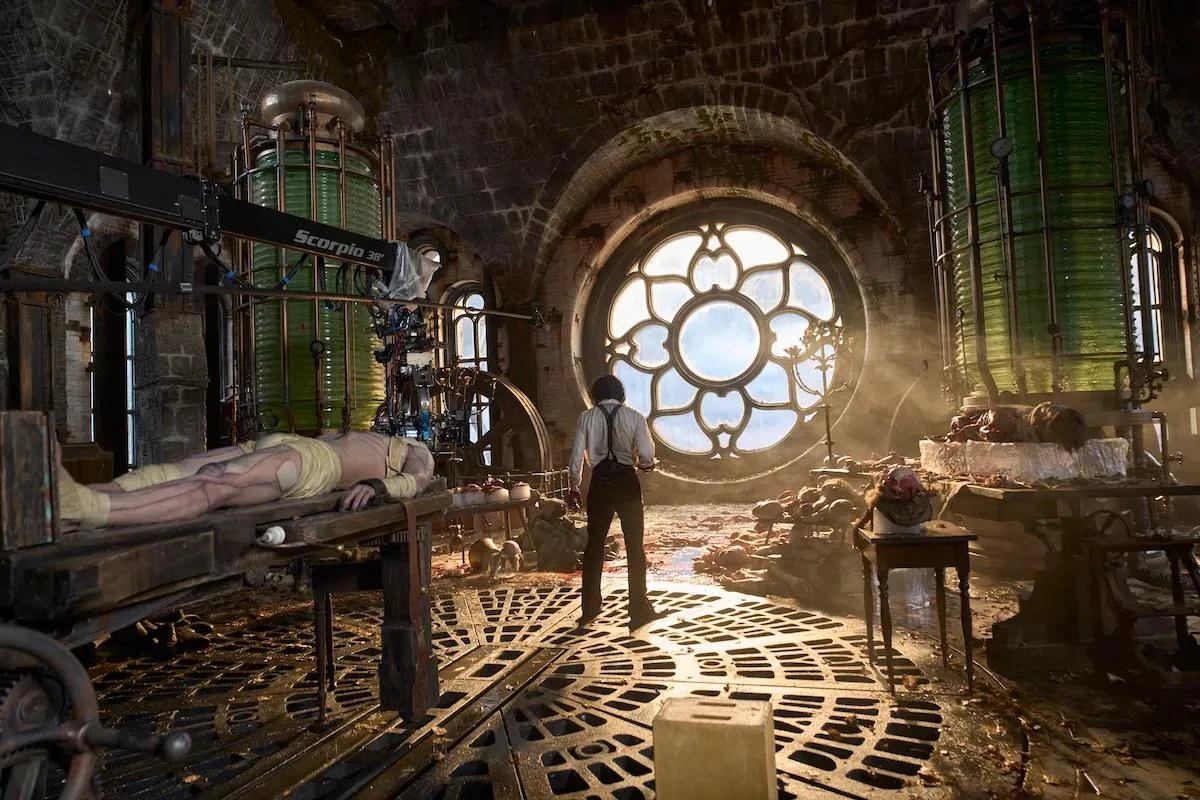
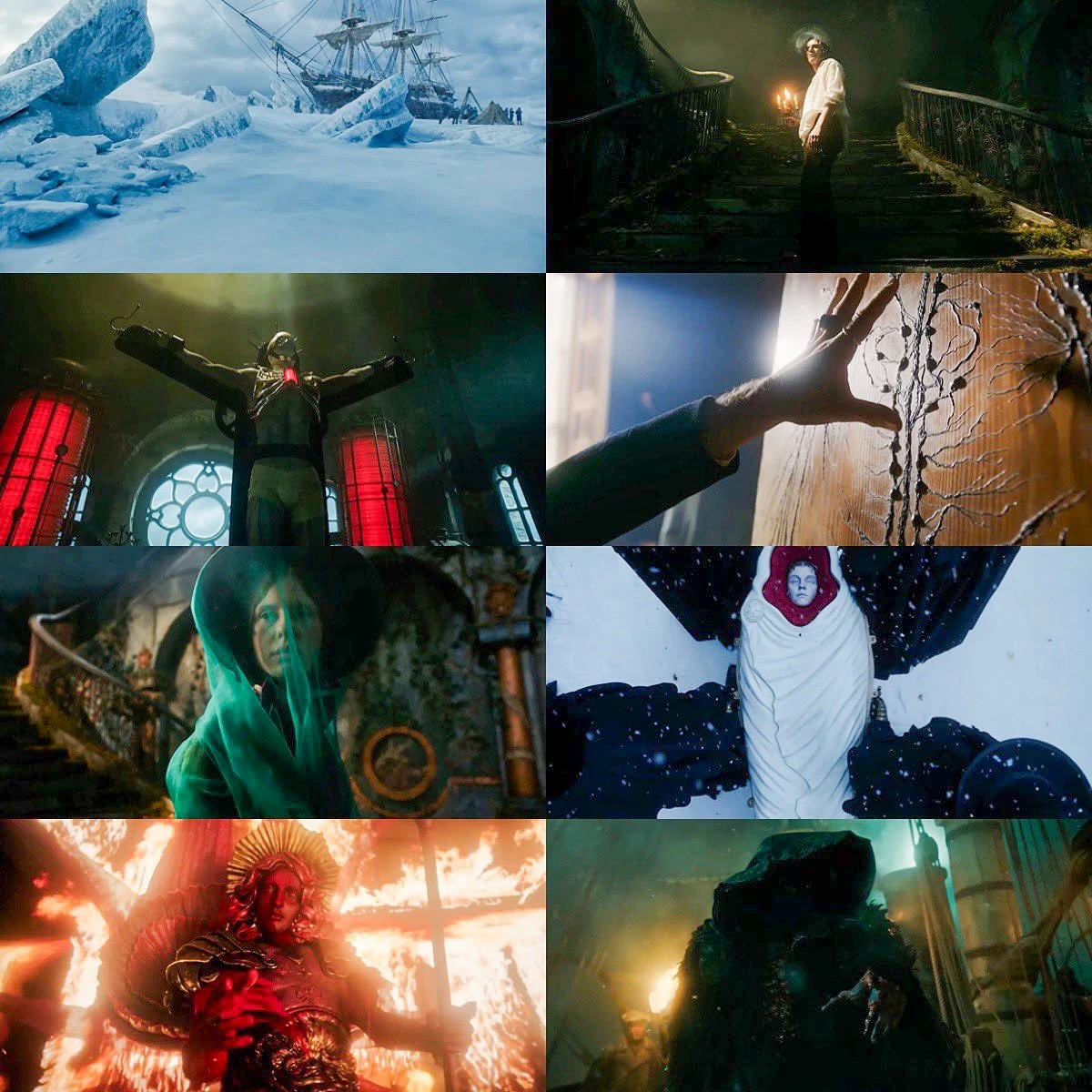
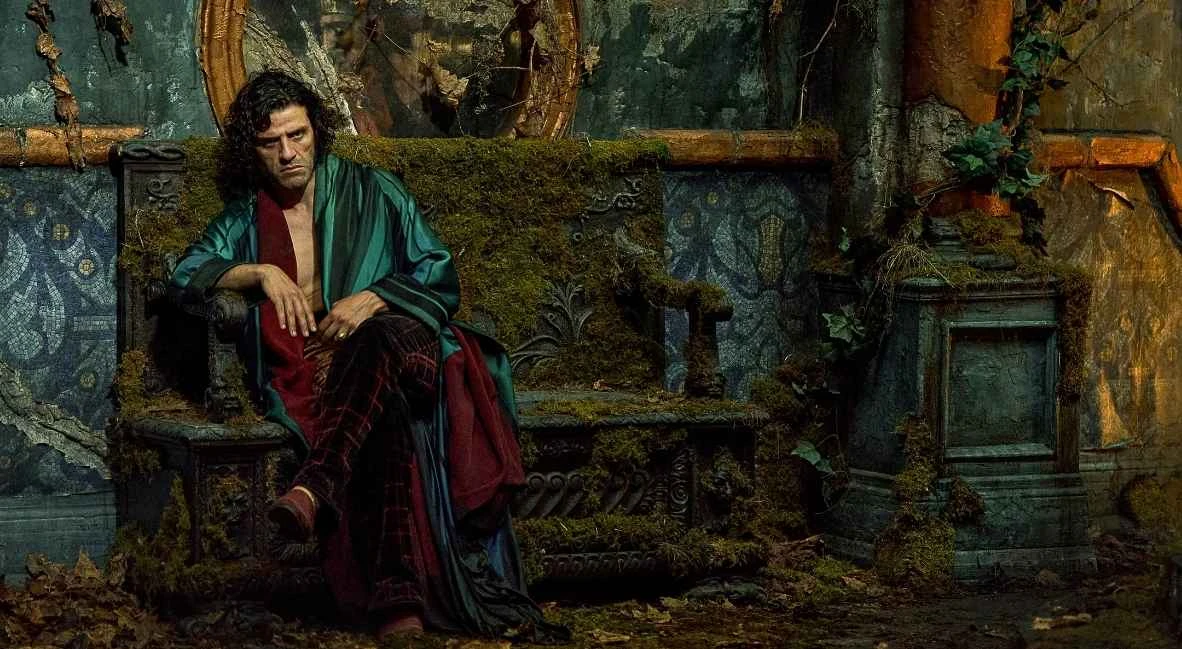
The film’s settings are meticulously crafted: from cold laboratories and isolated towers to the ice-covered Arctic, combining light and shadow in a Gothic style signature to Guillermo del Toro. Wide frames, muted tones blended with iconic red and black create a world both majestic and bleak, magnificent yet lonely, leading viewers through emotions ranging from awe and sorrow to tension and haunting fear.
A masterpiece both beautiful and bitter
International critics have offered profound, poetic praise for Frankenstein. Metacritic gives the film a score of 95, noting:
“By creating a three-dimensional world for actors, del Toro stimulates their imagination and the audience’s. The result is a work both beautiful and bitter, sometimes horrifying, exploring the true meaning of being human.”
The Guardian writes:
“Del Toro resurrects a classic as a tragedy that is beautiful in a terrifying way.”
The review praises the Gothic cinematic style, the atmospheric world-building, and lighting, while noting the melodramatic tone — heavily emotional and sometimes intense.
“One of del Toro’s finest works, absolutely must be seen on the big screen,” comments The Hollywood Reporter. The outlet also emphasized the painstaking investment in visuals, sets, lighting, and colors, crafting an epic, spectacular cinematic world rich in emotion.
Meanwhile, Jacob Elordi’s performance as the creature is widely praised as the emotional core of the film, elevating the character beyond a typical monster archetype into a wounded soul yearning for love and acceptance.

Despite widespread acclaim, Frankenstein also faces mixed reviews. Some critics say the pacing is slow, especially in the exposition-heavy beginning, making it feel dragged out. Others argue that the grand production design and gorgeous visuals sometimes overshadow the story, leaving viewers feeling “overwhelmed” and lacking traditional horror tension.
Additionally, for audiences expecting a faithful adaptation of the original novel or focusing on jump scares, the film may not fully satisfy. However, these limitations are also the price of creating a work that is both artistic and profound.
Overall, Frankenstein (2025) stands as one of the finest classic adaptations in recent years. Its global success, topping Netflix in 85 countries and earning strong Rotten Tomatoes and IMDb scores, proves it captivates both audiences and critics. This is a cinematic experience rich in artistry, emotion, and deep reflections on humanity, power, and loneliness. If you love artistic cinema and want to see frames that feel like moving paintings, Frankenstein is an unmissable choice.