Wayward doesn’t just depict the problematic ways these teen schools operate; it also does a nice job of revealing the aftermath of such a school, and how people who grew out of these schools function now. Wayward may feel hollow at times, but it’s still a moving series that crime/thriller show fans should watch. And if you need particular reasons, here are a few.
1. It’s a Small-Town Mystery With a Twist

Fans of mystery series will love the approach Wayward immediately takes. It depicts a small-town community, a tight-knit group of people in a green haven called Tall Pines. The town is idyllic, cozy, and not much happens there; of course, this instantly becomes the recipe for more sinister dealings and events. It’s a slow-burning mystery that blends genres, and you just know everyone’s hiding something.
2. The Themes Hit Close to Home

After seeing the conditions in which Abbie, Leila, and even Laura, grew up in, it’s hard not to relate to them. The teenagers in the academy are the main story, as we learn more about why they’re there, what kind of program they go through, and the conditions of their “release” from it. All of them were somehow neglected by either their families or the system, and Evelyn’s goal of teaching them how to let go of parental approval and bonds is, though unusual, an interesting approach to one such academy. We usually hear these correctional schools teaching teens to fear authority and observe their parents as such, but here, Ms. Wade ensures they’re released from the grips of their upbringing after facing their trauma.
3. It Stars Toni Collette at Her Best

We can all agree Toni Collette is our honorable scream queen, and after her performance in Hereditary, we waited for something like Wayward to come along. She stars as the mysterious, obsessed, and controlling director of the school for wayward teens called Tall Pines. She exudes a calm demeanor, confident energy, and behaves like she’s a revolutionary visionary. In a way, she is—her methods are pretty unusual, but psychedelic therapy is hardly a new thing. This is a callback to the ’70s, which are a part of Evelyn’s origin story, when she learned all her methods and convictions from a mentor and former lover.
…In moments when the show falters, Colette brings it back in and up, and delivers a brutal and brilliant performance.
Evelyn Wade is the archetypal cult leader—warm and empathetic, but quietly dreadful if you cross her or mess with her vision. Her unnerving, unpredictable nature makes her terrifying at times; in moments when the show falters, Colette brings it back in and up, and delivers a brutal and brilliant performance. Though the emotional core of the show is arguably Leila—more than any other character—Evelyn is the explanation behind the madness and the method.
4. Mae Martin’s Sharp, Empathetic Writing

Mae Martin is first and foremost known as a comedian, so their forte is being funny. Though Wayward is a lot more emotional and sinister than funny, it does have elements of dark comedy, and Martin successfully infuses the story with humor wherever necessary. The humor of it all turns a pretty dark premise into something less painful, strangely healing, and even if Martin feels like a weak link in some spots, their leadership is obvious in the show because of how grounded the depiction of trauma and identity sometimes feels.
Martin came to prominence with their semi-autobiographical comedy Feel Good, which aired on UK’s Channel 4. In it, they play a fictionalized version of themselves, while Ghosts‘ Charlotte Ritchie portrays Martin’s girlfriend, George. Feel Good shows the struggles of both Mae and George, while being a heartfelt rom-com all at the same time. People expected another comedy from Martin, but Wayward is much darker, yet kind of comforting and empathetic to both the viewers and its characters. Interestingly, a consultant on the show was Martin’s friend who was once in a school similar to Tall Pines, so the writing feels realistic and empathetic.
5. It Has Impressive Needle Drops

One thing newer shows have been doing really well lately is curating impressive soundtracks that successfully take us down memory lane and simultaneously feel fresh within the context they’re used in. In Wayward, there’s a combination of classics and some newer tracks you may not have heard before, and all play a huge part in the events depicted. Another interesting thing—which isn’t a needle drop, but does have to do with sound—when Leila tries to speak to her mother but gets no response, her mom is in the living room, watching Dr. Phil on TV. Dr. Phil was notoriously associated with a similar teen discipline camp, and this was likely intentional.
In Wayward, some of the most impressive and famous needle drops include Blue Öyster Cult’s “Don’t Fear the Reaper,” Pink Floyd’s “Time” and the 2000s anthem, “Butterfly” by Crazy Town. If there’s a millennial crowd out there watching Wayward, “Butterfly” is the ultimate track to bob your head to, even if you actually disliked the song. The soundtrack beautifully evokes the era the show is set in (2003), and uses rock classics to complete the atmosphere.
6. It’s a Subdued Depiction of Manipulation and Control

Evelyn reveals to Alex that Laura is incapable of being the family woman Alex expects, showing at the same time how Laura bonds with her former Tall Pines alums and creates a following of her own. In other scenes, we see Evelyn manipulating Leila’s memory of her sister’s death; who’s to say Evelyn didn’t do the same to Laura to manipulate her insecurities and trauma for personal gain? This depiction of manipulation is shown to work on sensitive minds and those hungry for validation and love. Wayward does a pretty nice job at depicting how manipulation can be disguised as care.
7. It’s a Celebration of Found Family
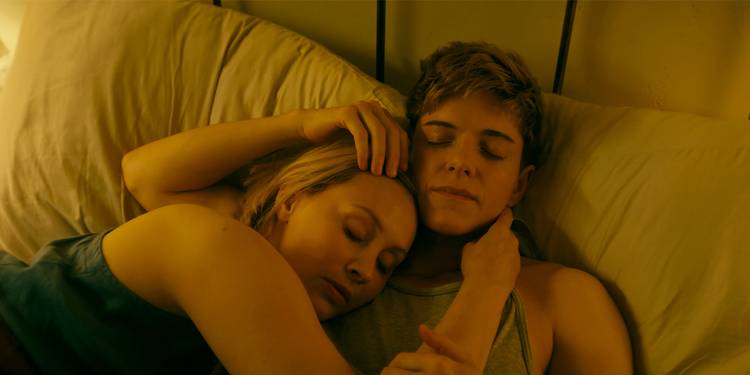

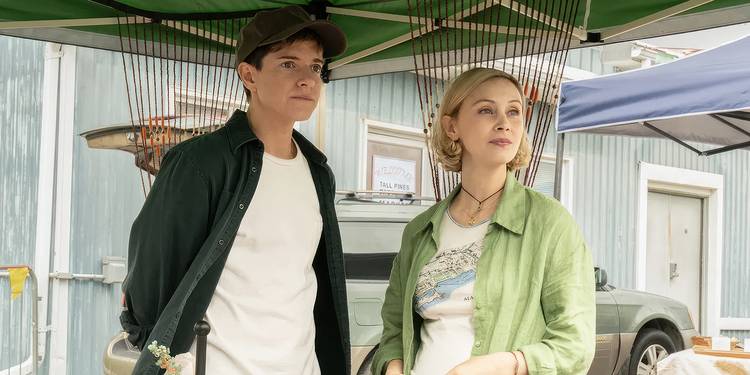
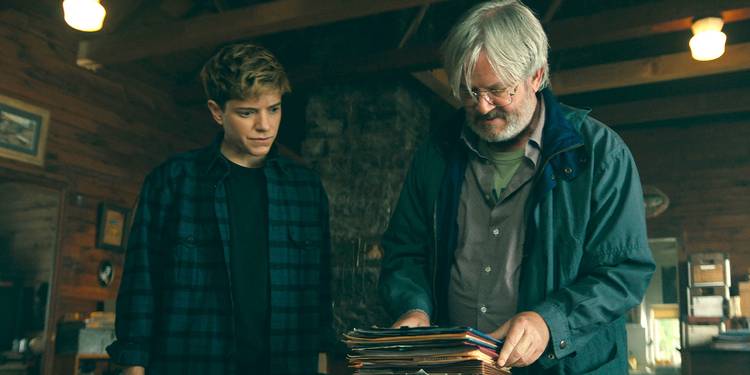
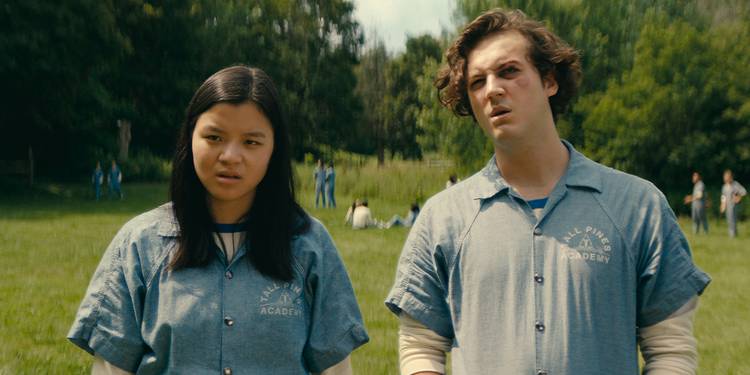
In times of turmoil, economic, societal, and political instability, finding ways to bond with people can be difficult. In a very roundabout way, a show like Wayward is a wonderful way to remind us to appreciate the friends we have; those who are always by our side, and those who we always want to be there for. Leila gets herself locked up in Tall Pines for Abbie’s sake, while Abbie helps Leila remember who she is. There are plenty of examples of how the teens from the show stand up for each other in Tall Pines, and it’s a thing of beauty. Found family is powerful and no less important.
8. It’s a Perfect Blend of Humor, Heart, and Horror

Don’t look at ratings and don’t rely on others’ opinions too much when deciding what to watch next. Wayward is advertised on Netflix as “ominous, psychological, mystery,” and if that would prompt you to press play, then go for it—it’s all those things. In fact, even more than just that, Wayward cleverly blends heart, humor, and horror; there are creepy basements, mysterious schools, intriguing people, and sinister pasts catching up with the characters. It’s got everything you might need from a series like it, and you won’t regret watching.