In recent weeks, Monster: The Ed Gein Story by Ryan Murphy has become a hot topic in the true crime community. The show, streaming on Netflix, tells the chilling story of Ed Gein, the notorious American serial killer responsible for gruesome crimes in the 1950s. However, some viewers are questioning whether the show crosses a line in how it portrays Gein’s crimes. Rather than simply telling the story, it seems the show glorifies the killer and sensationalizes his violent acts, turning them into a form of entertainment.
The Show Creates a Disturbing Sensationalization

One of the biggest criticisms of Monster: The Ed Gein Story is how Ryan Murphy exploits shocking details of Gein’s story. The show doesn’t merely recount his horrific crimes; it leans into elements of gore and sexual violence, including necrophilia and blood-soaked details. The filmmakers even introduce implausible scenarios, such as a letter from Ted Bundy to Robert Stroud, a character who was never connected to Gein in real life. These additions make the show feel more like an exaggerated Hollywood product rather than a true crime retelling.
The most troubling aspect is how these sensationalized elements not only make the crimes more appealing but also glamorize the murderer. From the way Gein’s character is portrayed to the attention-grabbing plotlines, the show seems more interested in shocking the audience than in respecting the gravity of the real-life events. This has led many to feel that the show misrepresents the true horror of Gein’s crimes, presenting him more as a tragic, almost romantic figure rather than a deranged killer.
Ryan Murphy: A Talented Creator or Exploiting a Tragedy?
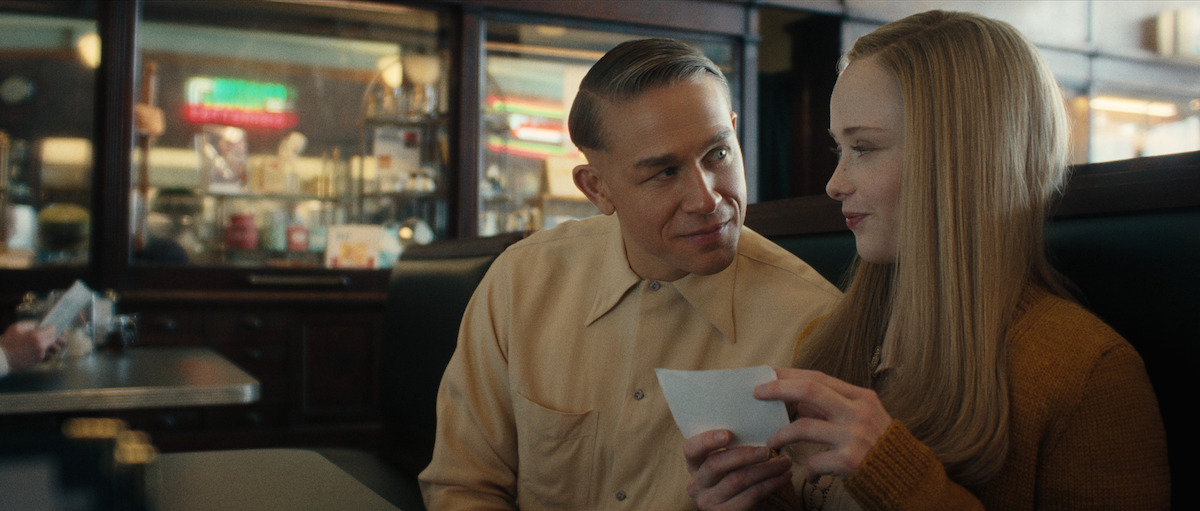
Ryan Murphy, known for creating hits like American Horror Story and Dahmer, is no stranger to tackling dark, twisted stories. However, in Monster: The Ed Gein Story, he goes beyond just telling the story of a notorious figure. Instead, he emphasizes the more sensational aspects of Gein’s life, introducing salacious details and focusing on what is shocking and grotesque, rather than exploring the true horrors behind the murders.
This approach raises questions about whether Murphy has crossed a line. While his work is often celebrated for pushing boundaries and sparking conversations, in this case, it feels like the show is taking liberties with a real-life tragedy in ways that could be disrespectful to the victims. The show’s focus on shock value detracts from the seriousness of the story and doesn’t honor the memory of those who suffered at Gein’s hands.
The Line Between Storytelling and Exploiting Crime
:max_bytes(150000):strip_icc():focal(749x0:751x2)/ed-gein-3-100625-653d03ccd8844910844ddfb573a41e60.jpg)
While the entertainment industry is no stranger to depicting true crime, Monster: The Ed Gein Story pushes the limits by glorifying the killer and sensationalizing his acts. Instead of focusing on the devastating impact of Gein’s actions, the show chooses to create a more dramatic, sometimes even eroticized, version of the story, which might not be appropriate given the real-life nature of the crimes.
True crime stories are important for raising awareness and understanding the human toll of such tragedies. However, by turning these stories into shock-filled spectacles, the show risks trivializing the real pain that victims and their families have experienced. The focus should be on telling the truth, not sensationalizing it for the sake of entertainment.
Conclusion: Glorifying Crime or Just Creating Shock Value?
Ultimately, Monster: The Ed Gein Story raises an important question: Should we continue to portray infamous criminals in this way? Ryan Murphy’s portrayal of Gein has sparked controversy by turning him into a figure of intrigue and fascination, rather than solely focusing on the horror he inflicted. While the show may have gained significant attention, it’s unclear whether it truly honors the memory of the victims or if it merely sensationalizes the events for ratings and shock value.
The show might have captivated audiences, but does it truly do justice to the real-life tragedy it portrays, or has it gone too far in its attempt to create an unsettling, yet highly entertaining, experience for viewers?