The new episodes of Bridgerton close out the season with a focus on the romance between Benedict and Sophie
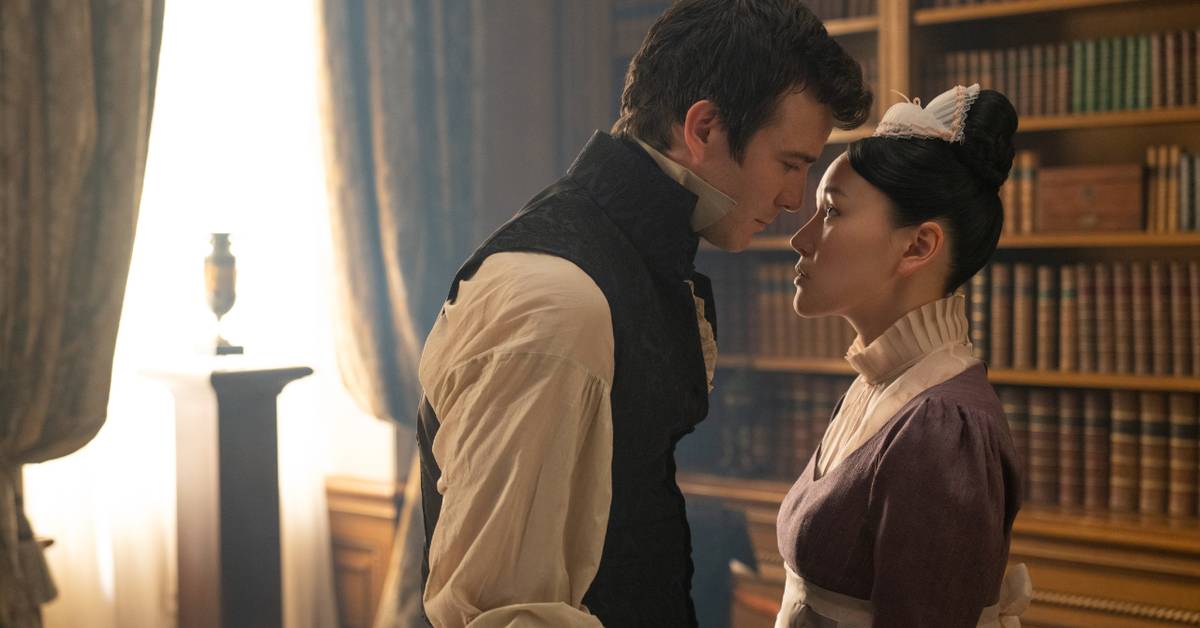
Netflix subscribers can now watch the conclusion of the fourth season of one of the most-watched period dramas in the platform’s global catalog. The second part of the storyline premiered this Thursday, ending the gap left by the first batch of episodes and focusing on resolving the complex relationship involving the second eldest son of the prominent family. The production maintains its signature Regency-era London aesthetic while deepening discussions about social class and personal autonomy.
The story resumes precisely from the point of tension previously established, right after the intimate moment between the protagonists on the servants’ staircase of the family residence. The script addresses the immediate consequences of that encounter, setting up the central conflict that drives the final chapters. The couple’s dynamic is tested by the rigid social norms of the period, forcing both to confront their differing realities in pursuit of a shared future.
Sophie Baek, portrayed by actress Yerin Ha, takes a firm stance at the start of this new set of episodes. The character, a maid of humble origins, rejects the initial proposal to become a mistress — a decision rooted in the precarious position of unmarried women within that historical context. This refusal serves as a catalyst for the relationship’s growth, prompting an effort to overcome the status barriers imposed by English society at the time.
Plot Development and Cast

Professional critics note that the second half of the season attempts to correct pacing issues observed in the earlier episodes. The direction leans into scenes of emotional vulnerability and desire, allowing the audience to better understand each character’s internal motivations. The drama centers on overcoming personal insecurities, transforming physical attraction into a deeper, more challenging bond that echoes the essence of Julia Quinn’s original literary work.
The performances of Luke Thompson and Yerin Ha elevate the narrative, solidifying the pair as one of the most impactful couples in the series so far. The story explores the male lead’s fluidity and personal discoveries, compelling him to break through both internal and external barriers to find fulfillment alongside his partner. While the focus remains on the central romance, parallel storylines receive significant attention to resolve ongoing arcs and lay the groundwork for the show’s future.
Several supporting characters experience decisive moments of self-discovery and repositioning within the social hierarchy. Penelope Bridgerton, played by Nicola Coughlan, seeks to balance family life as a mother and wife following the revelation of her secret identity. Francesca, portrayed by Hannah Dodd, deepens reflections on the concept of an ideal marriage alongside Michaela Stirling. Hyacinth begins to signal her own future arc by contemplating compatibility and relationships, while Lady Danbury and Alice Mondrich continue navigating the complexities of influence within Queen Charlotte’s court.
Antagonistic Approach and Social Context
One of the highlights of this conclusion is the treatment of Araminta Gun, Sophie’s stepmother. The script adds layers to her character, steering away from portraying her as a one-dimensional villain. Her trajectory is used to illustrate the pressures placed on women who, in that era, depended entirely on male relationships to secure survival and status. This approach offers a fresh perspective on her actions, placing them within the relentless competition of the marriage market.
Araminta’s daughters, Rosamund and Posy, also play crucial roles in the schemes that bring the main plot to completion. Through them, the series explores the consequences of social failure and the female rivalry fueled by the patriarchal system of the time. Showrunner Jess Brownell guides the adaptation with a focus on empowerment and diversity, maintaining a balance between romantic fantasy and socially relevant commentary.
The season finale not only resolves the central romantic conflict with emotional satisfaction but also incorporates key moments drawn directly from the books, setting the tone for the next phases of the story. Despite discussions surrounding the decision to split the season into two parts, the outcome successfully unifies the narratives in a cohesive way, establishing this installment as one of the strongest yet in terms of character evolution and dramatic complexity.