‘Fallout’ Season 2’s Most Disturbing Moment Reveals What the Show Is Really About

‘Fallout’s Core Question Has Always Been About Control

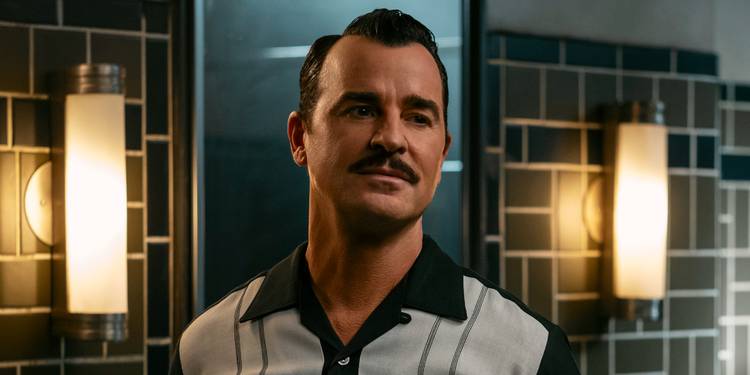
From the earliest games, Fallout has framed its moral conflicts around systems rather than individuals. Vault-Tec, the Brotherhood of Steel, the New California Republic, RobCo Industries, the Enclave, and more all represent different philosophies about order, safety, and power. None of them are purely evil in intent, and none of them are benign in execution. Episode 6 brings this thematic backbone to the surface more clearly than Prime Video’s live-action series has so far. Hank’s operation isn’t chaos gone wrong; it’s order perfected. Crime is eliminated, violence disappears, and former enemies can coexist peacefully. On a purely utilitarian level, the system succeeds.
That success is what makes it disturbing. In the games, players are constantly asked to trade freedom for stability, whether it’s enforcing harsh laws, siding with authoritarian factions, or making “necessary” sacrifices for the greater good. Episode 6 doesn’t just echo those choices; it removes the player entirely and shows what the world looks like when the decision has already been made.
Hank MacLean Represents ‘Fallout’s Most Dangerous Archetype
That distinction matters. Across the games, the most dangerous factions are often the ones with the cleanest logic. Caesar’s Legion offers stability through brutality. The Enclave offers technological salvation through exclusion. Vault-Tec offers safety through compliance. Hank’s system fits squarely into that lineage, but Episode 6 removes the abstraction and forces us to watch it operate in real time. There’s no dramatic punishment for dissent here, because dissent no longer exists.
Lucy Represents the ‘Fallout’ Player Who Still Believes in Choice

The games frequently complicate that idea, showing populations who prefer structure, even when it’s oppressive. Episode 6 sharpens that theme by presenting control not as cruelty, but as comfort. Lucy’s moral framework, shaped by Vault ideals about choice, community, and justice, can’t easily account for a world where safety requires surrendering autonomy. The pencil-stabbing scene that follows isn’t the episode’s most violent moment: it’s the moment that proves Hank’s point when chaos returns instantly, but control resolves it just as quickly. Rather than a punishment, control in Fallout is being framed as mercy through Hank.
Episode 6 Delivers on ‘Fallout’s Longstanding Moral Ambiguity
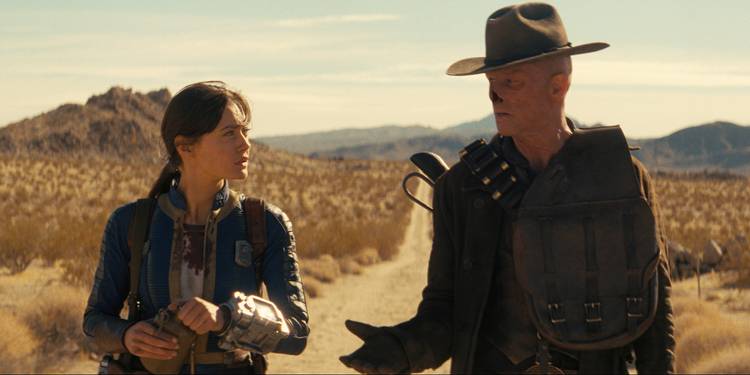
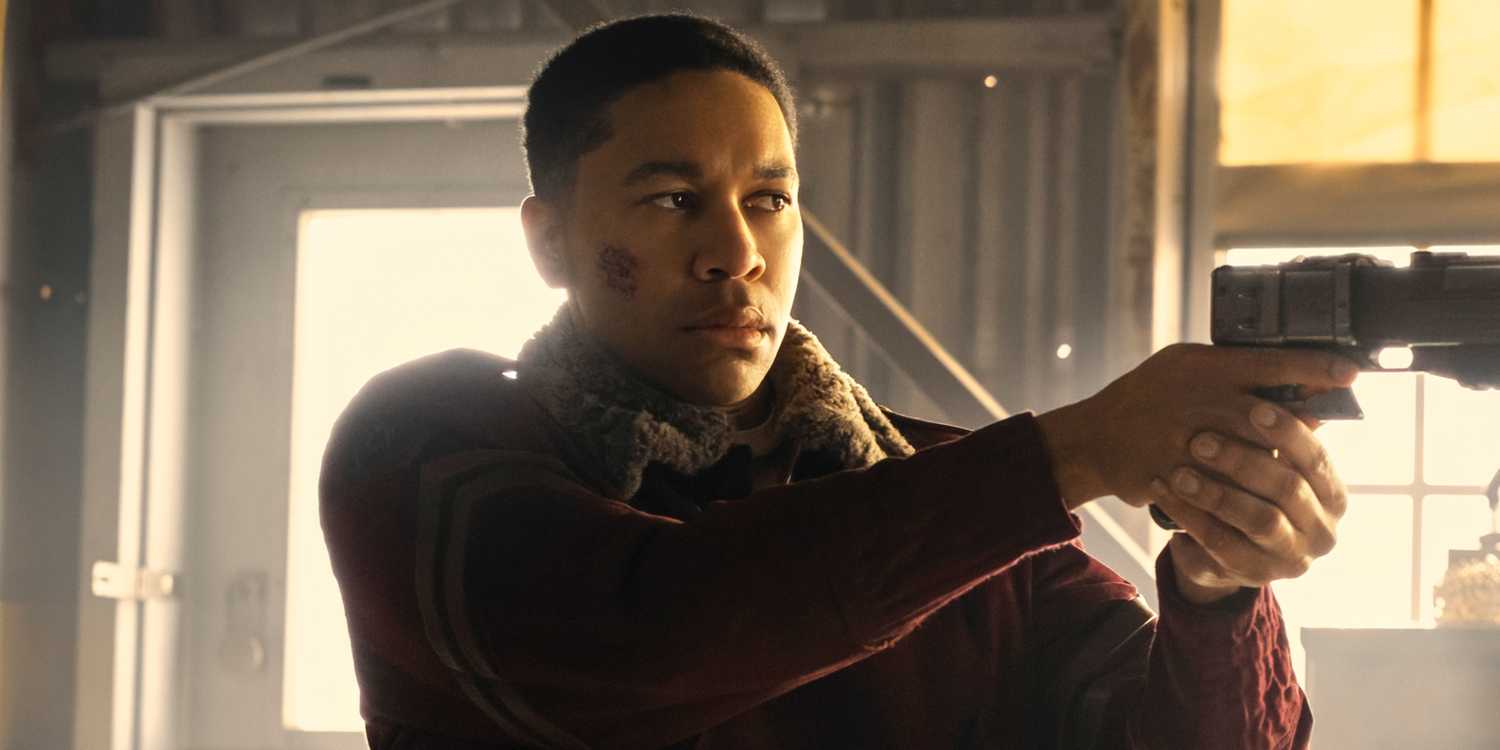
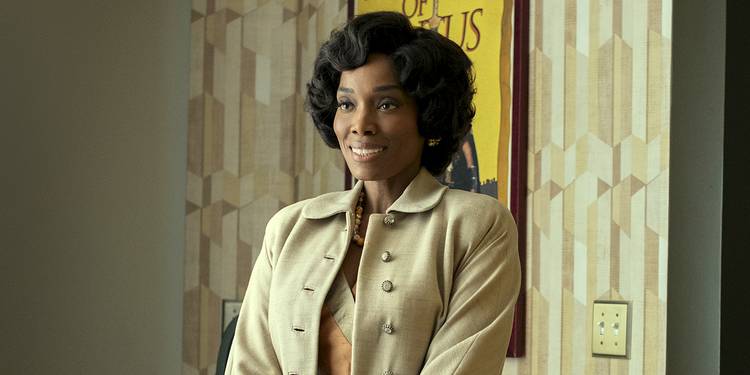
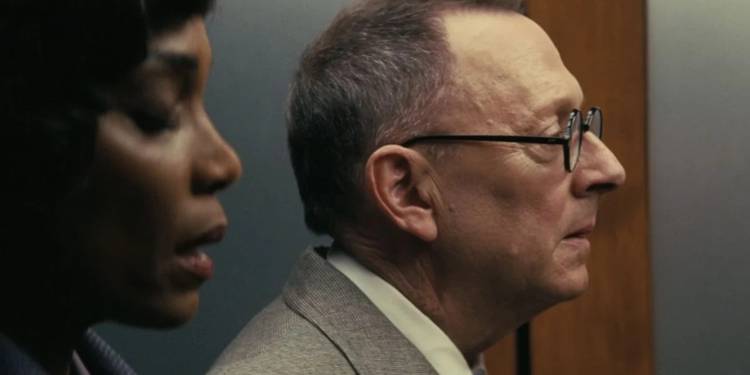
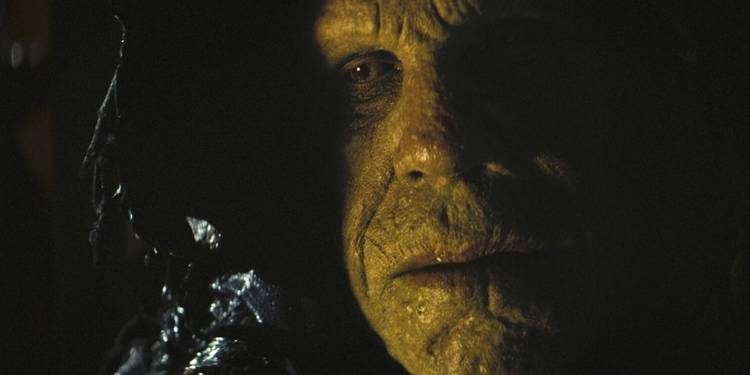
With only a couple of episodes left in Fallout Season 2, “The Other Player” makes it clear that the season’s endgame isn’t about who survives the Wasteland. It’s about who gets to define what survival looks like. Cold fusion, mind control, and competing factions aren’t just plot devices; they’re tools in a larger ideological conflict. Episode 6 reframes the stakes away from physical dominance and toward governance — a shift that feels deeply faithful to the games, where the most lasting consequences often come from policy decisions rather than gunfights. In delivering its most disturbing sequence through calm smiles and polite efficiency, Fallout proves it understands its own legacy. The apocalypse didn’t just destroy the world: it created an endless argument over who should rebuild it, and at what cost.