IT and the Secret of the “Deadlights” — The Terrifying Truth About the Weaknesses of Stephen King’s Most Powerful Monster That Few Have Ever Understood
As Welcome to Derry episode 3 approaches, Stephen King fans are once again asking the age-old question: “Does IT — the ancient terror haunting Derry — actually have any weaknesses?”
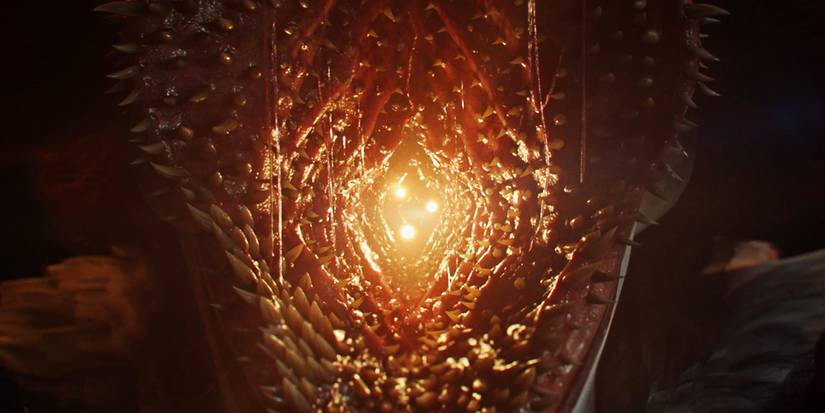
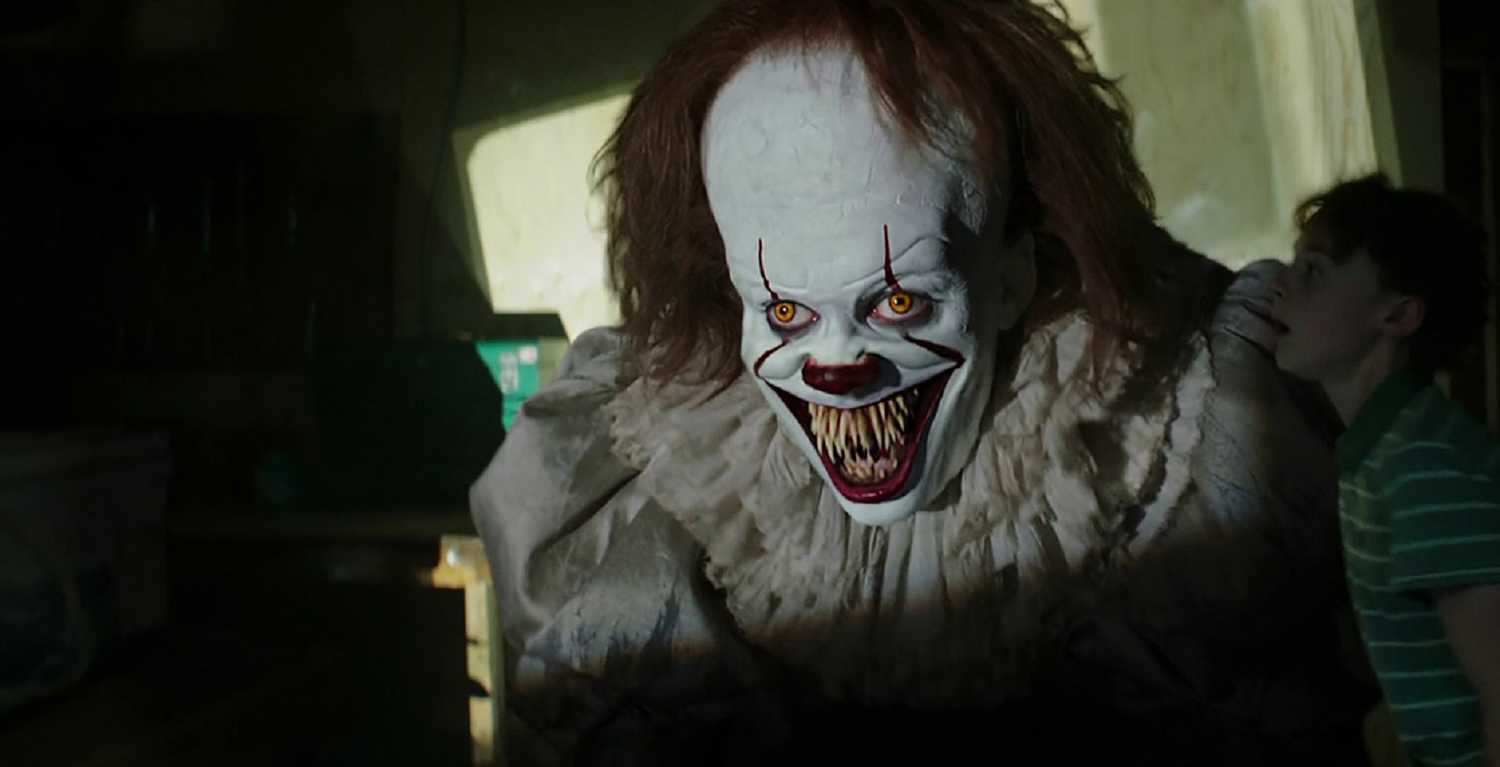
Most viewers only know Pennywise the Dancing Clown, but few understand that beneath the makeup hides an ancient entity beyond all human comprehension: The Deadlights — a shapeless, orange energy from a realm known as Todash Darkness, where physical laws and moral concepts simply don’t exist.
And yet, despite appearing invincible, It does have weaknesses — cracks in the darkness that humans can exploit to fight back.
1. When an ancient evil must obey the laws of the mortal world
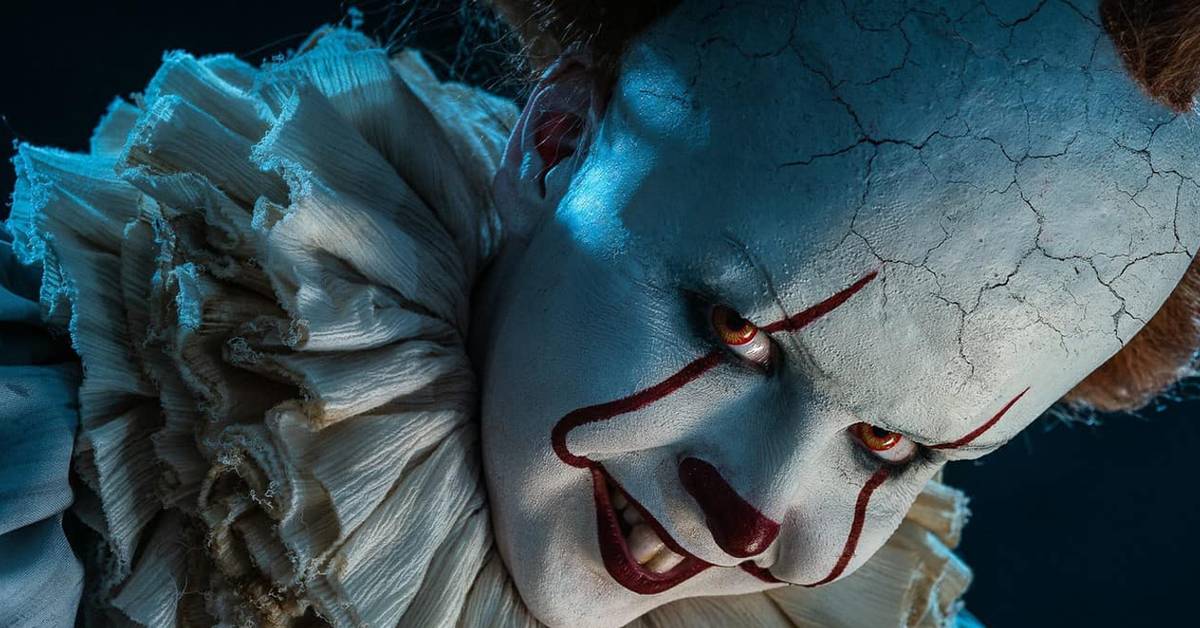
In its true form, the Deadlights, It is a formless energy that cannot directly harm or be harmed by humans. But when It manifests in the physical world, It must obey the physical and spiritual rules of the realm It appears in.
To hunt, It “manifests” into shapes drawn from its victims’ deepest fears — a ghost, a werewolf, a monstrous clown — using nightmares and hallucinations to crush their spirit before consuming them.
But here’s the catch: once It takes physical form, It can also be physically harmed.
If a victim believes a silver bullet can kill a werewolf — then, when It appears as a werewolf, that same silver bullet will wound It.
Pennywise, the clown, is one such physical manifestation — and therefore vulnerable to human will and force.
In Welcome to Derry, this concept appears vividly: between dream and reality, the characters can still fight back — if they dare to believe they can.
2. When humans conquer fear — It loses its power
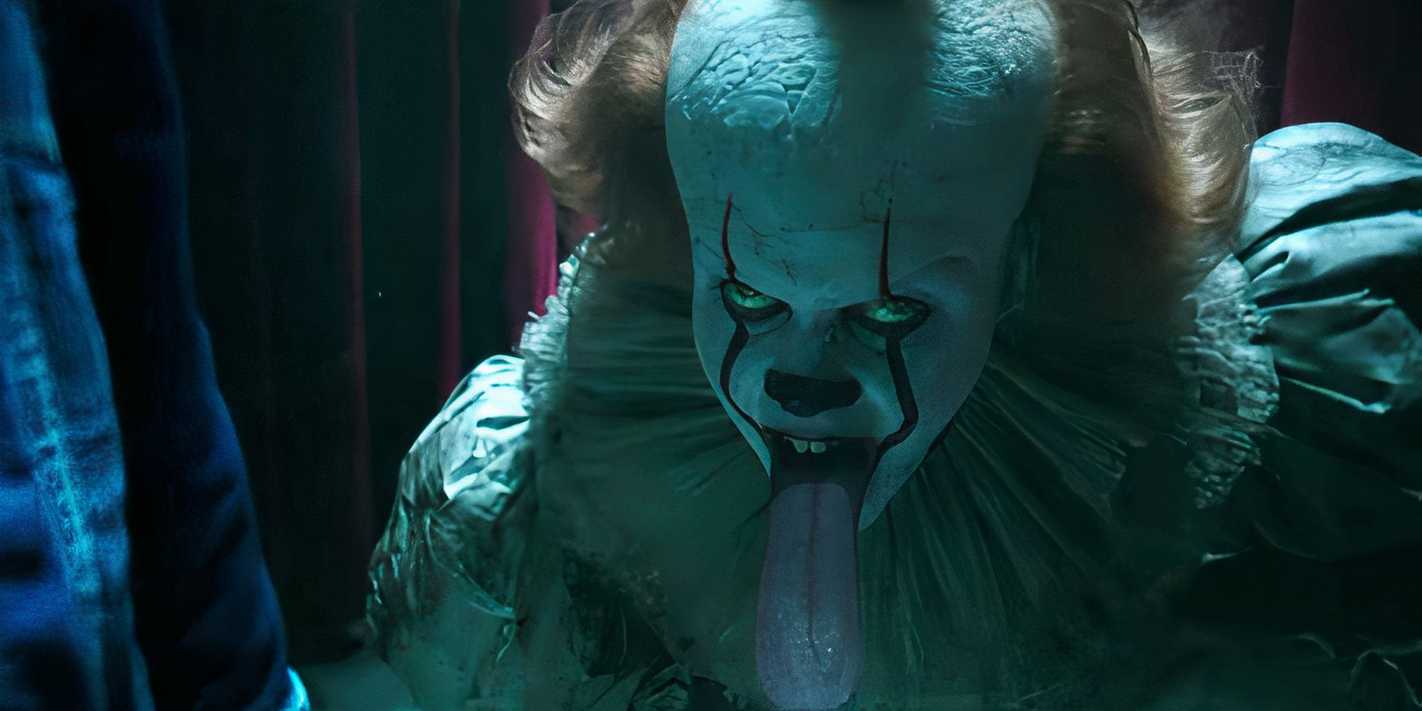
The true form of It radiates the Deadlights — pure, blinding orange energy that can drive people insane or kill them instantly. The Deadlights embody primordial fear itself.
But if a person is mentally prepared — armed with knowledge, willpower, and self-belief — they can overcome that fear, and It’s power begins to crumble.
That’s why It hunts children most of all. They are pure, easily frightened, lacking understanding and courage — the perfect prey. Their terror “tastes” richer, more primal, closer to It’s own essence.
Adults, however, can resist — if they are aware that fear itself is the real illusion.
But as Welcome to Derry shows, that doesn’t mean grown-ups are safe. It can still manipulate them, twist reality, and weaponize their fears against them.
It doesn’t simply haunt dreams; it blurs the border between dream and reality. Its power is a terrifying form of reality-warping — and overcoming it requires both reason and faith.
3. It also knows fear — especially before beings greater than itself
Few fans know that It is not the only cosmic entity in Stephen King’s universe.
It has a counterpart — Maturin the Turtle, a being of immense compassion, creation, and protection.
Maturin, one of the Guardians of the Beams holding up The Dark Tower, represents order and life, the direct opposite of It’s chaos and destruction.
Though capable of defeating It, Maturin refuses to destroy its sibling — doing so would violate its essence of kindness and preservation. Instead, Maturin helps humanity indirectly, guiding the Losers Club and teaching them the ancient Ritual of Chüd, a battle of wills and faith against It’s illusions.
But the true force behind their victory was even greater: Gan, the ultimate Creator in Stephen King’s multiverse.
Gan’s will — known as Ka, or “the will of destiny” — empowered the children of Derry to fight what no human should ever have faced.
Thus, when the Losers Club triumphed, It experienced something entirely new: fear.
Fear of Gan. Fear of destiny itself — an order that even It could not defy.
Perhaps the most horrifying truth about It isn’t its monstrous face, nor its alien origin — but the idea that It exists within all of us: in the deepest corners of our minds where fear takes root and festers.
And only when we have the courage to look into that darkness — to confront what we fear most — can the smallest light finally drive the monster away.