Editor’s Note: The following contains spoilers for Stranger Things, Season 5, Vol. 1.
Stranger Things has shaped an entire era of Netflix storytelling. For almost a decade, the series has held a cultural grip few modern shows can match, evolving from a compact supernatural mystery to a global phenomenon with a cast the world has grown up alongside. Season 5 arrives after a year-long cliffhanger, with Hawkins torn open by Vecna’s assault and the final confrontation with the Upside Down looming.
But the reason behind why Stranger Things ends now has nothing to do with budgets, schedules, or corporate strategy. According to executive producer and director Shawn Levy, the decision was rooted in something much rarer in long-running television. Stranger Things is ending with Season 5 because the people who built it refused to let it overstay its welcome. Their intention shifts the way viewers may experience the finale, because it reveals that the ending was always the point.
The Duffers Never Planned a Show That Ran Forever
When asked by ScreenRant how long he knew Season 5 was the final chapter, Levy explained that everyone involved shared the same guiding instinct. They wanted Stranger Things to end before it began repeating itself. Levy described his role from day one as championing the Duffer Brothers’ vision, and that vision always included a finite structure. The brothers knew how the story concluded long before the series reached its peak. They never imagined a future where the show stretched for ten seasons or reinvented itself once the core mystery was solved. They imagined an arc with emotional shape and forward momentum. That is why Season 5 arrives with a sense of inevitability rather than exhaustion. Levy said the Duffers did not want to drag anything out or dilute the emotional weight they had built over the years. In his view, the finale is a showcase of everything they do best. He called it deeply emotional, satisfying, and impressive in the way it pays off character arcs while still explaining some of the series’ biggest mysteries. With an ensemble this large, that kind of clarity is not simple. Yet Levy emphasized that the writing rises to that challenge.
He also pointed out something essential about how the Duffers approached the ending. They were determined not to leave major questions unanswered. Levy acknowledged how frustrating it can be when beloved shows conclude with ambiguity that feels careless instead of intentional. Stranger Things wants the opposite. Its final season is designed to provide closure, to answer the questions fans have debated for years, and to stick the landing in a way that respects the audience’s investment. That philosophy changes how the finale may feel. Instead of waiting to see whether Stranger Things can end gracefully, viewers can trust that the creators built toward this moment with purpose. The show is not stopping because it ran out of ideas. It is stopping because the story reached the point it was always meant to reach.
Season 5 Closes the Characters’ Journeys at the Moment They Become Their Strongest
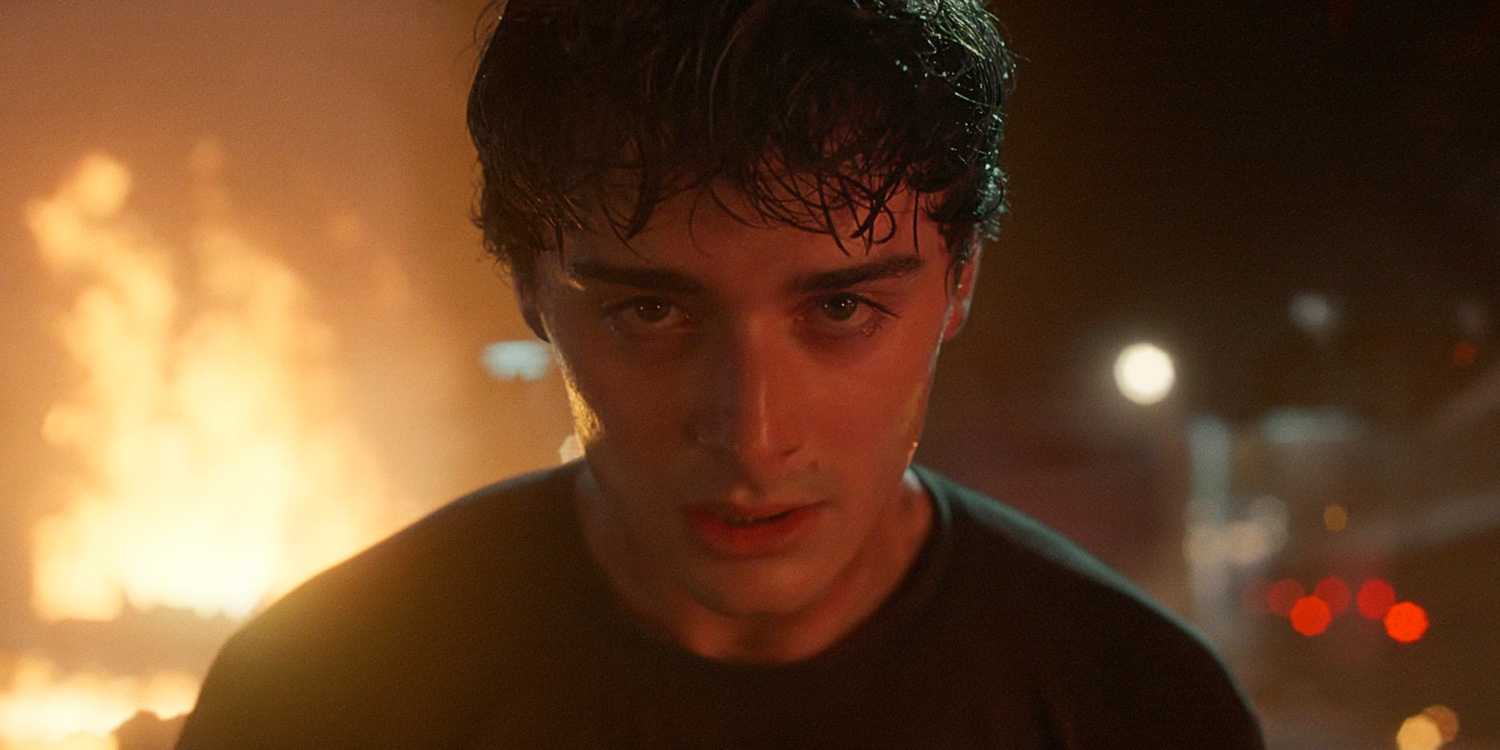
One reason Stranger Things resonates so deeply is that the cast’s growth happened in real time. Audiences watched a group of kids turn into young adults, but Levy witnessed something more nuanced. He saw them evolve from talented beginners to confident, skilled performers capable of handling the emotional intensity of the final season. In the interview, he reflected on how rewarding it was to give the cast material that demanded more from them each year. As their abilities sharpened, the writers challenged them with increasingly complex emotional terrain. Season 5 takes advantage of that evolution. Levy described the material as some of the strongest the cast has ever received. The arcs are more mature, the emotional beats hit harder, and the stakes are clearer than ever. That growth is part of why this moment feels like the right time to end the story. The cast is capable of delivering the kind of finale Stranger Things always promised, but keeping the show going indefinitely would flatten that momentum instead of enriching it.
Levy spoke candidly about the personal side of closing this chapter. Doing press for the final season with the cast reminded him of the thousands of small moments spent building iconic scenes long before they became globally known. The nostalgia of that experience shapes the final season’s emotional tone. These characters are reaching the culmination of arcs that have been developing since the pilot, and their off-screen journey runs parallel. The story is concluding at the precise moment when both the fictional world and the actors themselves have matured enough to carry it.
Ending Now Isn’t Loss, It’s a Creative Choice That Protects the Story
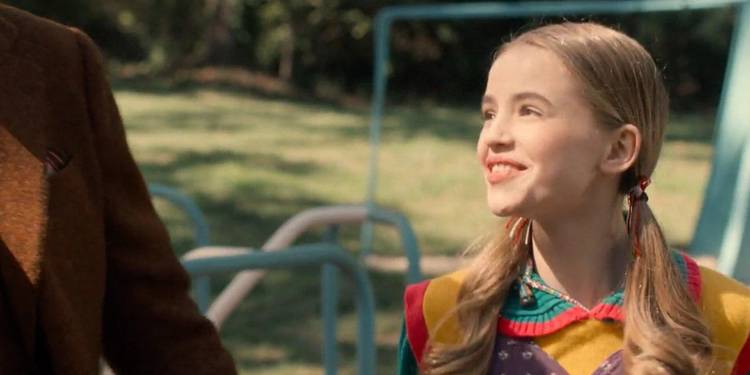
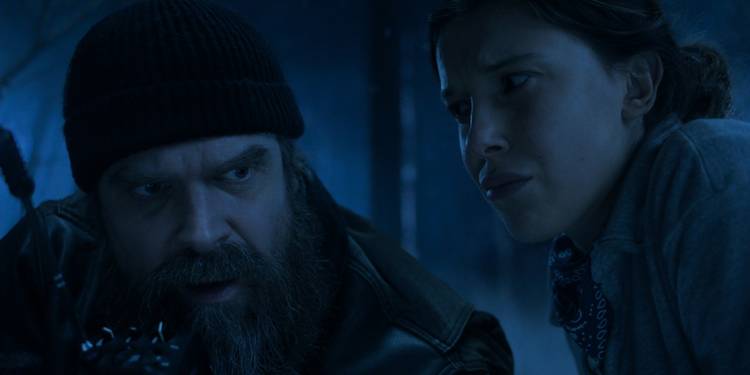
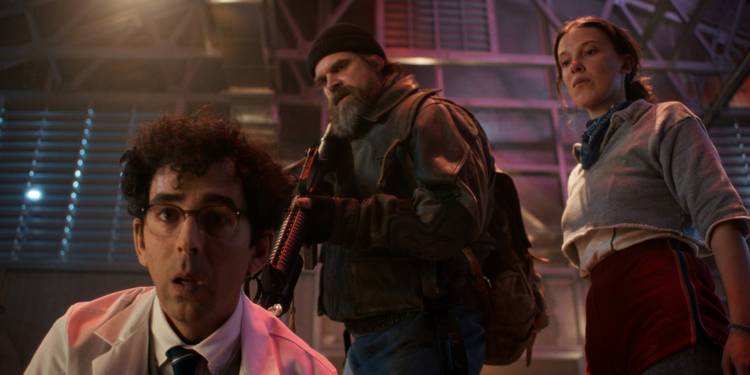
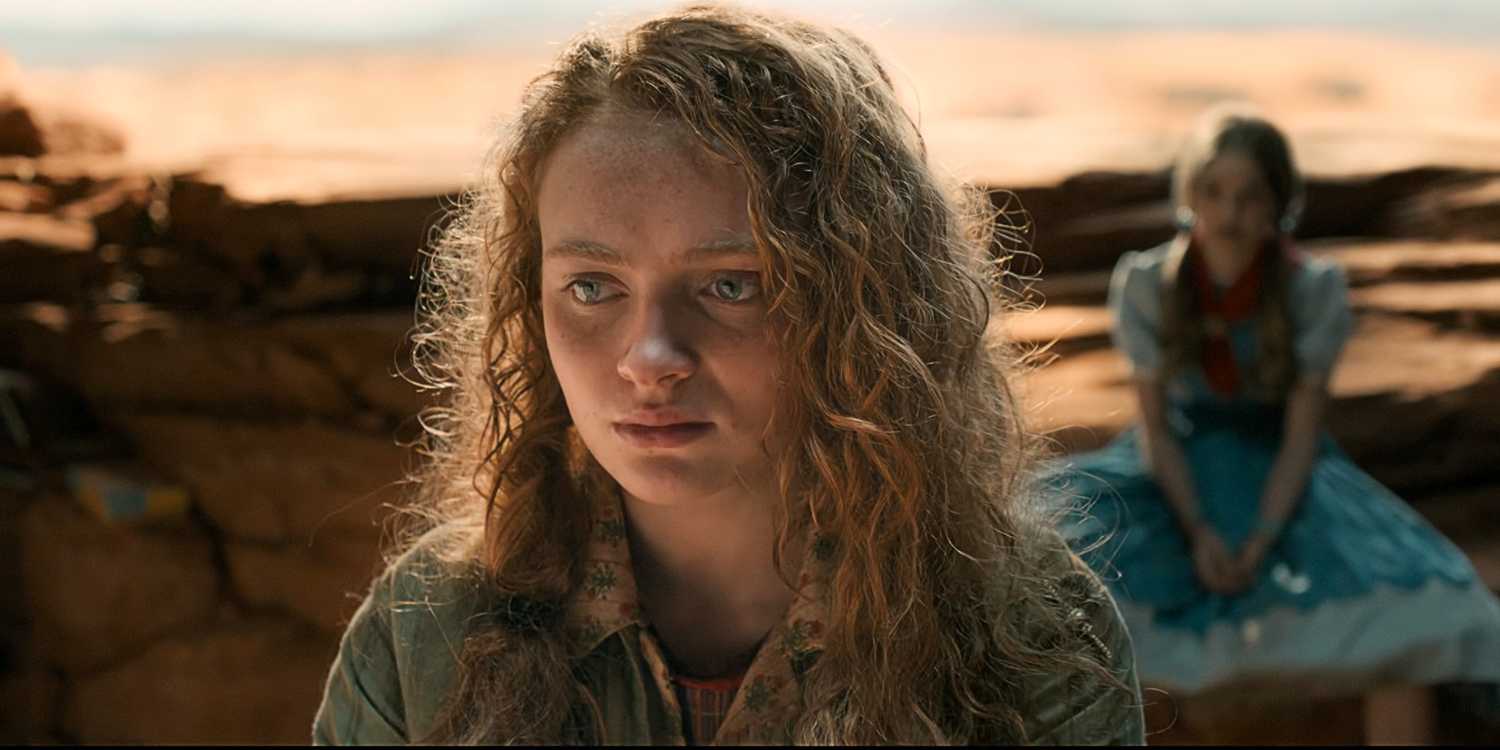
The announcement that Season 5 would be the end sparked speculation that Stranger Things might be closing early or cutting itself short. Levy’s explanation directly counters that idea. Ending now is not a retreat: it is an act of discipline. It keeps the heart of the story intact, avoids narrative bloat, and reinforces the Duffers’ belief that emotional honesty should guide the series, not longevity. This ending also makes space for the franchise’s next phase. Tales From ’85 arrives in 2026, and a live-action spinoff is in active development. The main show needed a clear finish so those new stories could grow independently instead of being weighed down by the original cast. Ending Season 5 on their terms gives the Duffers a clean creative foundation for whatever comes next.
As the last episodes roll out, knowing why Stranger Things ends now changes how the finale will land. It reframes the final chapter as a deliberate conclusion, not a forced one. It emphasizes that after nearly a decade, the creators chose to stop because the story was complete. And that choice ensures the finale arrives with clarity, purpose, and emotional weight. Stranger Things is closing because the people who made it refused to stretch its heart thinner than it could hold. When the lights of Hawkins go out, that intention is what will make the ending unforgettable.