Sandra Lee, the face behind the global phenomenon Dr. Pimple Popper: Breaking Out, has revealed a terrifying medical emergency that unfolded not in private—but in the middle of filming, with cameras still rolling and patients waiting.
According to multiple reports, the incident began subtly. While treating patients at her California clinic during production, Lee suddenly felt “off”—dismissing it at first as a hot flash. But what followed was far more serious: intense sweating, restlessness, and sharp pains running down her leg. 
Hours later, the symptoms escalated. She struggled to walk, her speech became slurred, and her left side began to weaken—classic warning signs she could no longer ignore. “I thought… am I having a stroke?” she later recalled.
Medical tests confirmed the worst: Lee had suffered an ischemic stroke, caused by a blockage cutting off blood flow to part of her brain. The consequences were immediate and severe. “What essentially happened is… a part of my brain died,” she admitted, describing the moment as both shocking and surreal.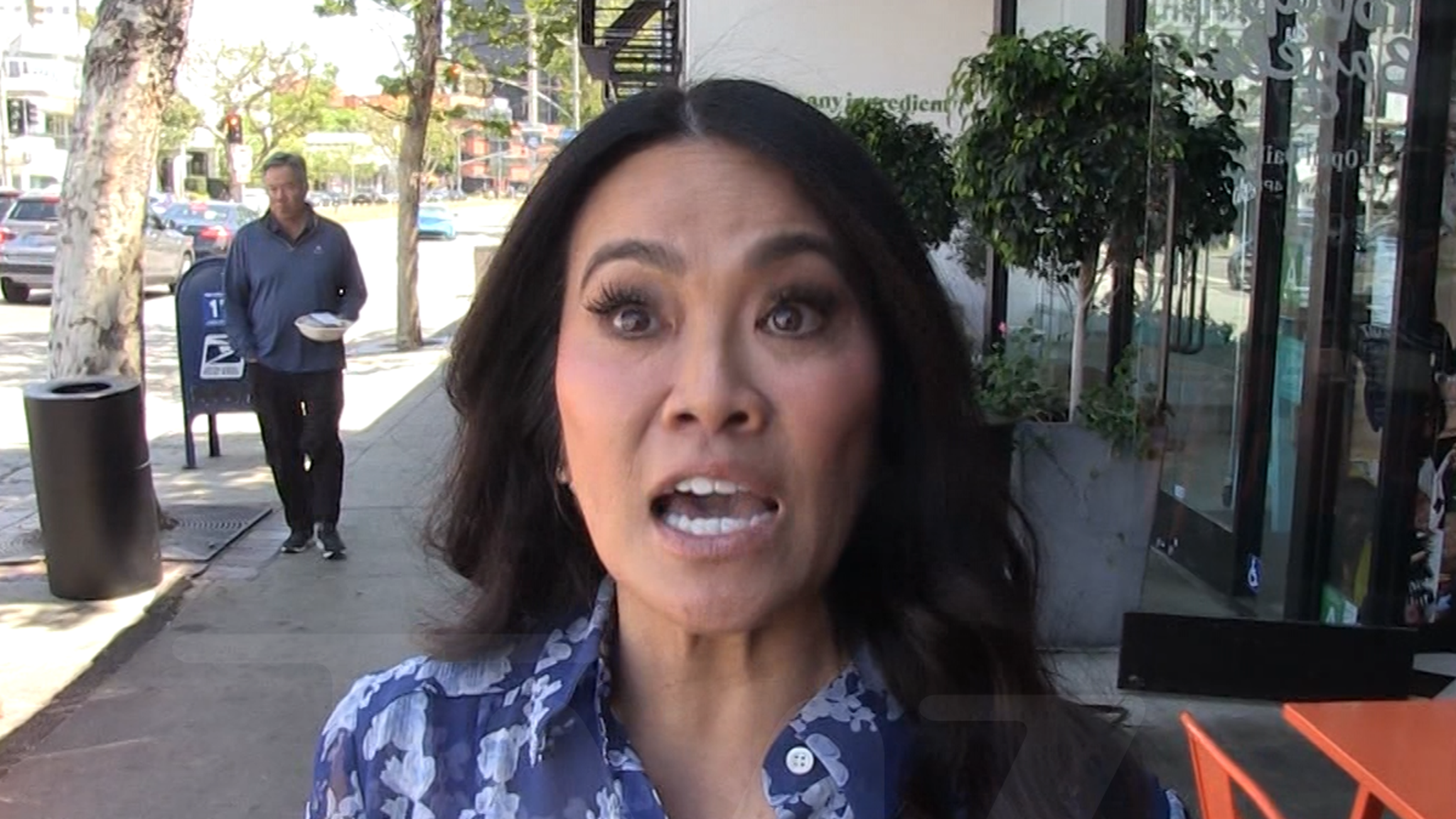
Production was abruptly halted. Surgeries—many of them life-changing for patients—were put on hold as Lee stepped away from the operating room for nearly two months. During that time, she underwent intensive physical and occupational therapy, fighting to regain control of her body, particularly her left hand, which she feared might never fully recover.
For a surgeon whose precision defines her career, the uncertainty was devastating. Even after returning, she admitted she no longer felt the same control over her movements or speech, a reality that left her deeply shaken both professionally and emotionally.
Doctors later pointed to underlying factors—uncontrolled blood pressure, high cholesterol, and chronic stress—as contributing causes. For Lee, the stroke became a harsh wake-up call about the cost of balancing a high-pressure medical career with the relentless demands of television production.
Yet despite the trauma, she has since returned to filming, determined to continue her work—though not without lasting impact. The experience, she says, changed how she sees both her health and her life, forcing a reassessment of priorities that once seemed non-negotiable.
What remains unclear, however, is how much of that terrifying moment—when everything nearly stopped—will be shown on screen… and whether viewers are about to witness the most vulnerable chapter of her story unfold in real time.