The story surrounding the death of Renée Nicole Macklin Good is no longer just tragic — it is deeply contested.
On one side stand official statements from the Department of Homeland Security (DHS), outlining a version of events meant to justify actions taken by federal agents. On the other side are the voices of Renée’s family, her neighbors, and eyewitnesses at the scene — voices that describe a reality starkly different from the one presented by authorities.

The contradictions are not minor. They cut to the core of what happened in Renée’s final moments.
While DHS maintains that procedures were followed and that emergency protocols were in place, witnesses insist that critical time was lost, that help was blocked, and that Renée was still alive when intervention was possible. Family members say they were left with more questions than answers — and a growing sense that the official narrative does not align with what people on the ground saw with their own eyes.
As public pressure mounted and outrage spread, one powerful figure finally broke the silence.
Minneapolis Mayor Jacob Frey addressed the growing controversy, openly challenging elements of the federal account and acknowledging what many feared: that there are serious inconsistencies that demand scrutiny. His remarks signaled a rare and public fracture between local leadership and federal authorities — and gave new weight to claims that the truth may have been distorted.
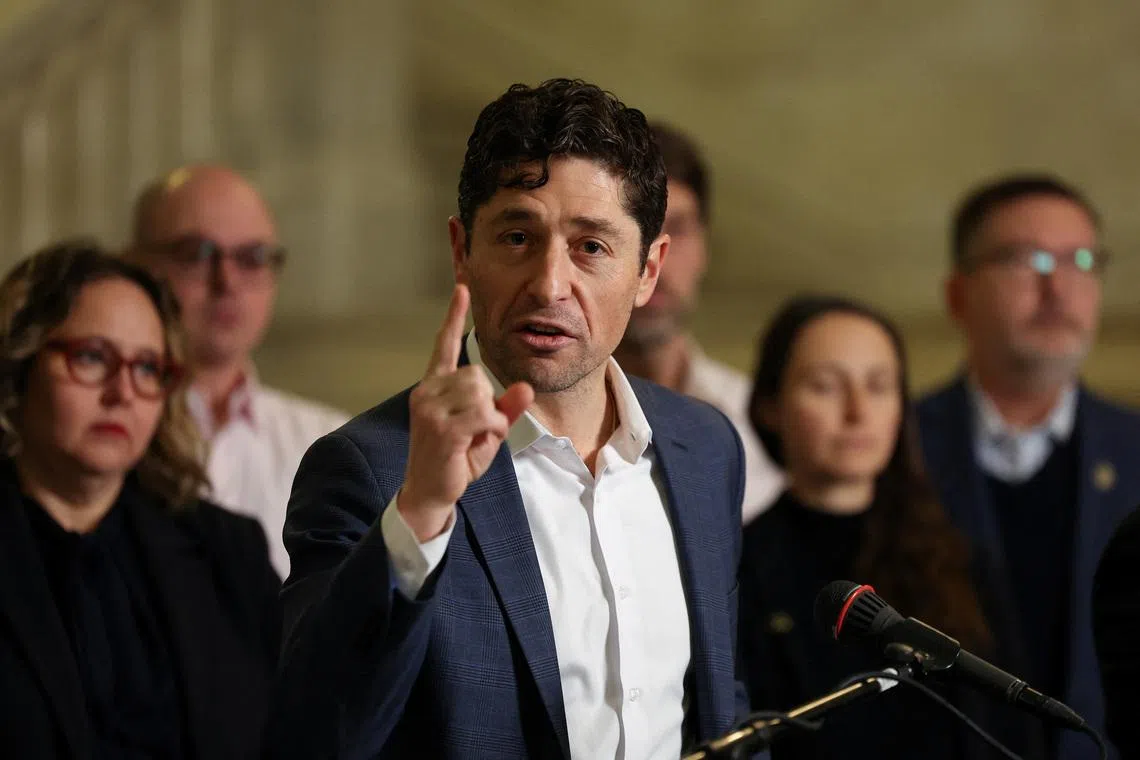
For many observers, the mayor’s words were not just commentary — they were an implicit accusation. A suggestion that someone, somewhere, is not telling the full story.
Now, with trust eroding and questions multiplying, the case has shifted from a single incident to a broader reckoning about accountability, transparency, and power.
And as the gap between official statements and lived testimony continues to widen, one unsettling question hangs in the air:
When the stories don’t match — who is lying, and who will be held responsible?