The dramatic downfall of former Michigan football head coach Sherrone Moore has taken yet another unexpected turn as the legal consequences of his highly publicized case begin to take shape.
Once considered one of the brightest rising figures in college football, Moore’s career unraveled after allegations connected to a personal relationship with a staff member escalated into a criminal investigation. What began as an internal university controversy soon expanded into a courtroom battle involving accusations of stalking, trespassing, and home invasion.
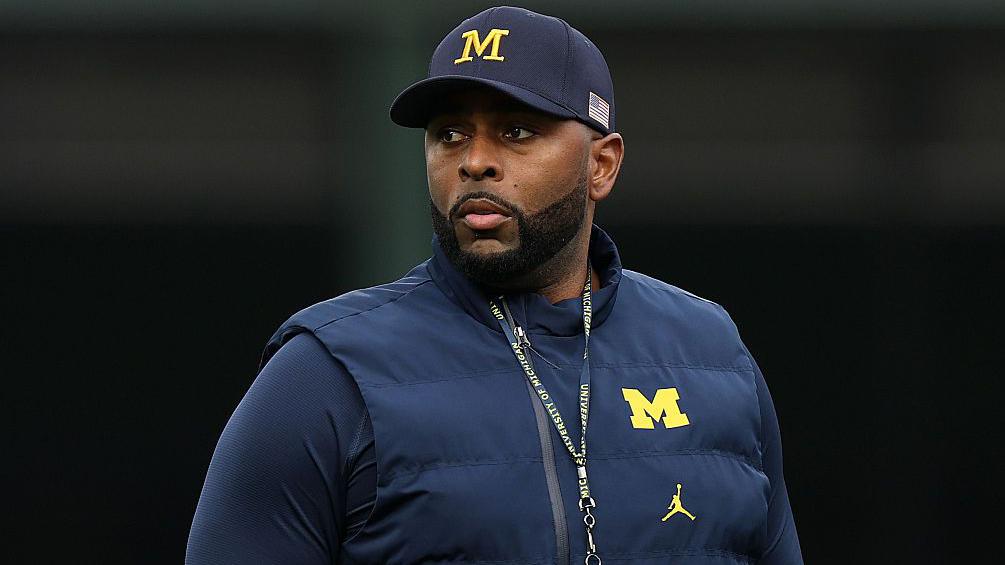
Now, months after the scandal first erupted, Moore faces the possibility of serving up to six months in jail following a legal agreement tied to the case.
Under the terms of a negotiated plea deal, the former coach avoided the most severe felony charges that initially threatened his future. Prosecutors agreed to dismiss the more serious allegations, including felony home invasion, after Moore entered a no-contest plea to lesser misdemeanor offenses.
Legal experts note that such agreements often reflect a balance between the evidence available and the desire to avoid prolonged trials. In Moore’s situation, the decision significantly reduced the potential penalties he could face.
Yet the outcome of the case is still not entirely settled.
Despite the potential six-month sentence being discussed as part of the legal proceedings, the final decision ultimately rests with the judge overseeing the case. During sentencing, the court will review a variety of factors before determining the punishment.
Among the most influential of those considerations is Moore’s lack of a previous criminal record.
For first-time offenders, courts frequently evaluate whether incarceration is necessary or whether alternative penalties—such as probation, counseling, or community service—may better address the situation. The judge may also weigh Moore’s professional history, personal circumstances, and cooperation during the investigation.
That single element could significantly reshape the outcome.
If the court determines that Moore’s case qualifies for a more lenient approach, the six-month jail term may ultimately be reduced, suspended, or replaced by other legal conditions.
Still, the reputational damage surrounding the former coach remains profound.
Before the scandal, Moore had built a respected reputation within the Michigan Wolverines football program and was widely viewed as a key figure in maintaining the team’s competitive dominance following its national championship success. His rapid rise through the coaching ranks made him one of the most closely watched leaders in college football.
Today, however, his future in the sport remains uncertain.
Even if the court delivers a reduced sentence, the controversy surrounding the case has already reshaped the trajectory of his career. For a coach who once stood at the center of one of college football’s most celebrated programs, the legal proceedings now unfolding represent a stark and highly public reminder of how quickly fortunes can change in the world of high-profile sports leadership.