HOUSTON / CAPE CANAVERAL — As humanity’s first crewed lunar mission in more than five decades continues its journey beyond Earth’s orbit, a surprising cultural crossover has captured attention across both space science and Hollywood: did the four astronauts of NASA’s Artemis II mission get early access to the hit science‑fiction film Project Hail Mary before blasting off — and did that cinematic experience actually prepare them for what’s ahead?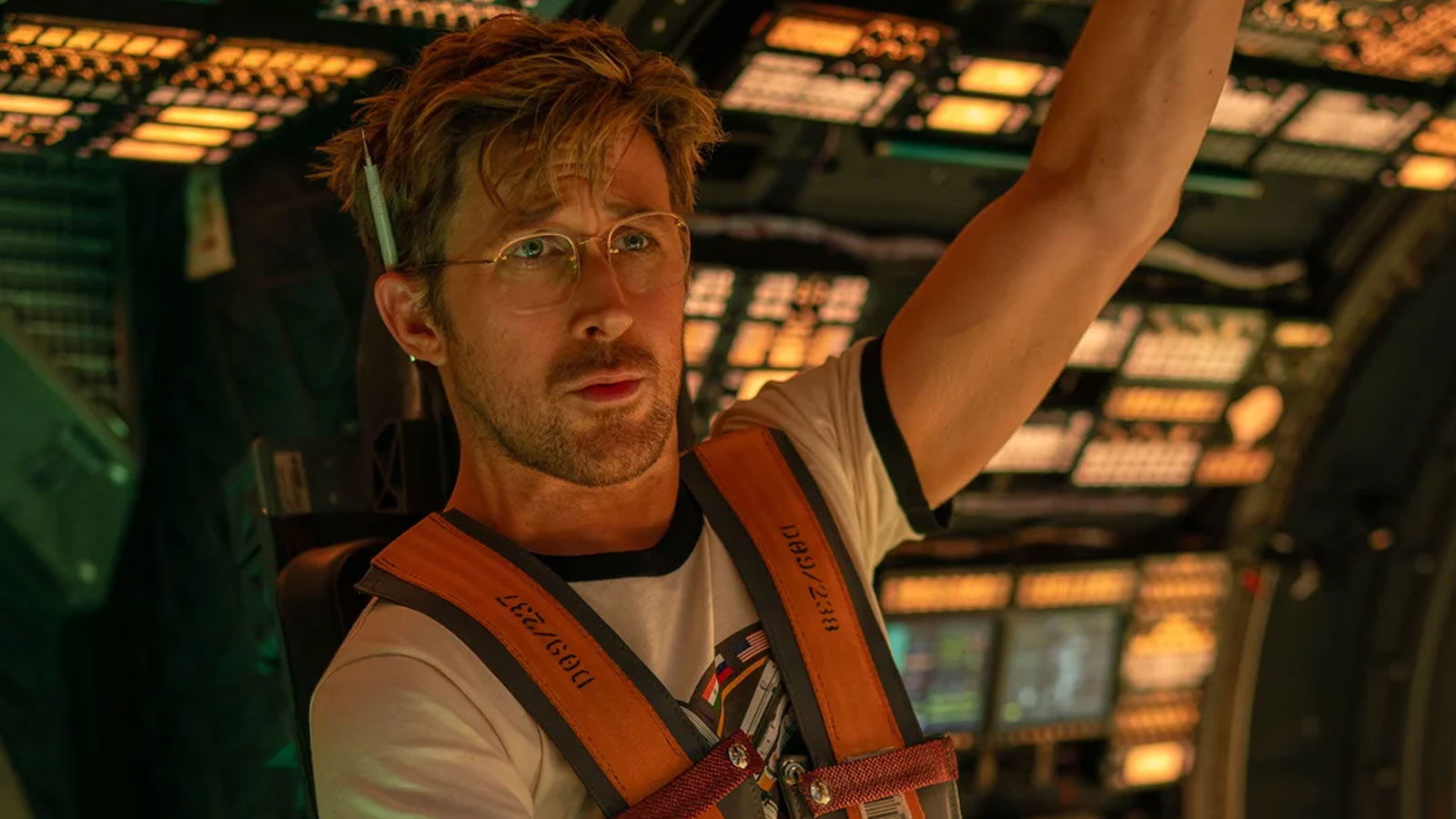
According to interviews with the crew, including Canadian astronaut Jeremy Hansen, the answer is a definite yes — but not in the clandestine, hush‑hush way some rumors suggested. Hansen and his three crewmates — Commander Reid Wiseman, Pilot Victor Glover, and Mission Specialist Christina Koch — watched Project Hail Mary during their quarantine period before launch, sharing the film with their families in the final days before liftoff.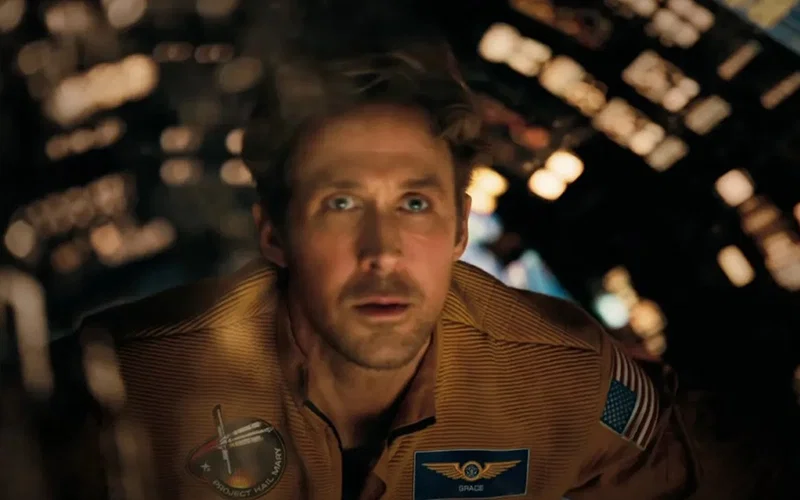
“We were all really lucky,” Hansen said, describing how the science‑driven narrative — centered on an astronaut’s desperate mission to save humanity — struck a chord as they prepared for their own historic voyage. The crew found the movie’s sense of curiosity, problem‑solving, and emotional resilience both inspiring and uplifting as they awaited their own date with space.
In a moment that blurred the line between fiction and real exploration, Project Hail Mary star Ryan Gosling, who plays Ryland Grace in the film, sent a recorded message of encouragement to the Artemis II team ahead of their April 1 launch, adding an unexpected Hollywood touch to NASA’s serious scientific mission. Hansen and other crew members noted that art and real science can feed into one another — that storytelling about exploration can boost morale even for those about to venture farther from Earth than almost any humans before them.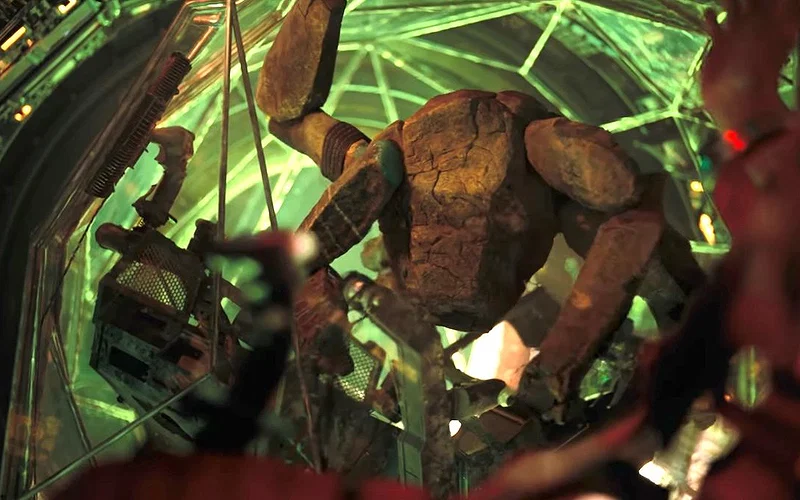
While the movie’s depiction of space travel is rooted in science fiction adapted from Andy Weir’s novel, the astronauts stressed that watching it before their historic lunar flyby helped frame their own mission in a larger context — not as a publicity stunt, but as a moment of both reflection and excitement as they orbited the Moon.
The Artemis II mission itself is breaking records: the four‑person crew is scheduled to travel farther from Earth than ever before by any human, surpassing the distance reached during the Apollo 13 emergency return more than 50 years ago.
Whether watching a sci‑fi blockbuster in quarantine will have any measurable effect on real‑world space travel remains a topic of playful speculation among fans and scientists alike — but one thing is clear: as the Artemis II mission continues, the interplay between Hollywood narratives and actual space exploration has captured the public imagination in a way few anticipated.