SAN FRANCISCO — Bud Light is returning to the Super Bowl with one of its most ambitious marketing pushes in recent years, launching a multi-layered campaign built around celebrity power, nationwide promotions, and a theatrical commercial designed to reignite the brand’s cultural relevance ahead of Super Bowl LX.
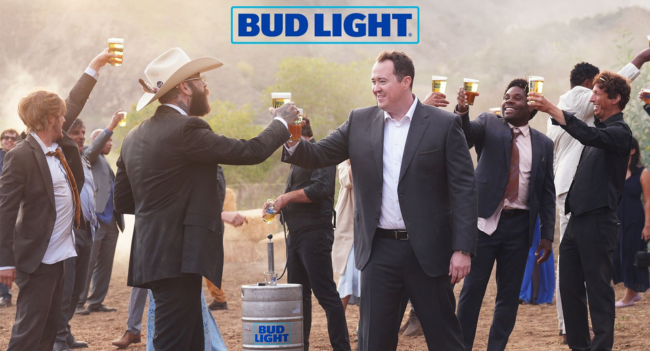
The centerpiece of the effort is a 60-second commercial titled “Keg,” featuring musician Post Malone, comedian Shane Gillis, and NFL legend Peyton Manning. Set at a wedding, the spot follows a runaway Bud Light keg that triggers a chaotic pursuit by guests, blending slapstick comedy with pop-culture nostalgia to capture mass audience attention during the Big Game.

Celebrity Spectacle as a Strategic Marketing Reset
Bud Light has relied on celebrity partnerships for years, but the Super Bowl LX campaign marks a deliberate escalation. The brand reunites three high-profile partners with cross-generational appeal across music, comedy, and sports, signaling a push to reassert mainstream relevance in a fragmented media environment.

Executives describe the campaign as a “can’t-miss event,” positioning the commercial not simply as entertainment but as a cultural moment engineered to dominate social media, sports conversations, and pop-culture discourse during Super Bowl weekend.
From Television to Real-World Fan Engagement
Beyond the television ad, Bud Light is extending the campaign into physical and digital experiences. The company is offering nationwide promotions, including rebates on beer kegs and discounts at participating bars, tying the campaign to the 60th anniversary of the Super Bowl and encouraging fans to host their own game-day celebrations.
Bud Light is also activating local markets connected to the Super Bowl teams, hosting fan events and giveaways in major stadium markets, illustrating how modern Super Bowl campaigns now span broadcast, retail, experiential marketing, and social media ecosystems.
The Super Bowl as a Cultural Battleground
Marketing analysts say Bud Light’s Super Bowl LX push reflects a broader shift in advertising strategy: the Big Game is no longer just about winning the most memorable commercial, but about creating a connected brand ecosystem that extends from screens to real-world consumer behavior.
For Bud Light, the stakes are particularly high. The brand is not just chasing laughs and viral moments—it is attempting to reinforce its identity at the center of American sports and social culture at a time when consumer attention is increasingly fragmented.