The videos are brief, almost unbearably so. A small Japanese macaque named Punch edges cautiously toward older members of his troop inside Ichikawa City Zoo. Within seconds, he is pushed back — a sharp movement, a territorial warning, the unmistakable signal that he does not yet belong.
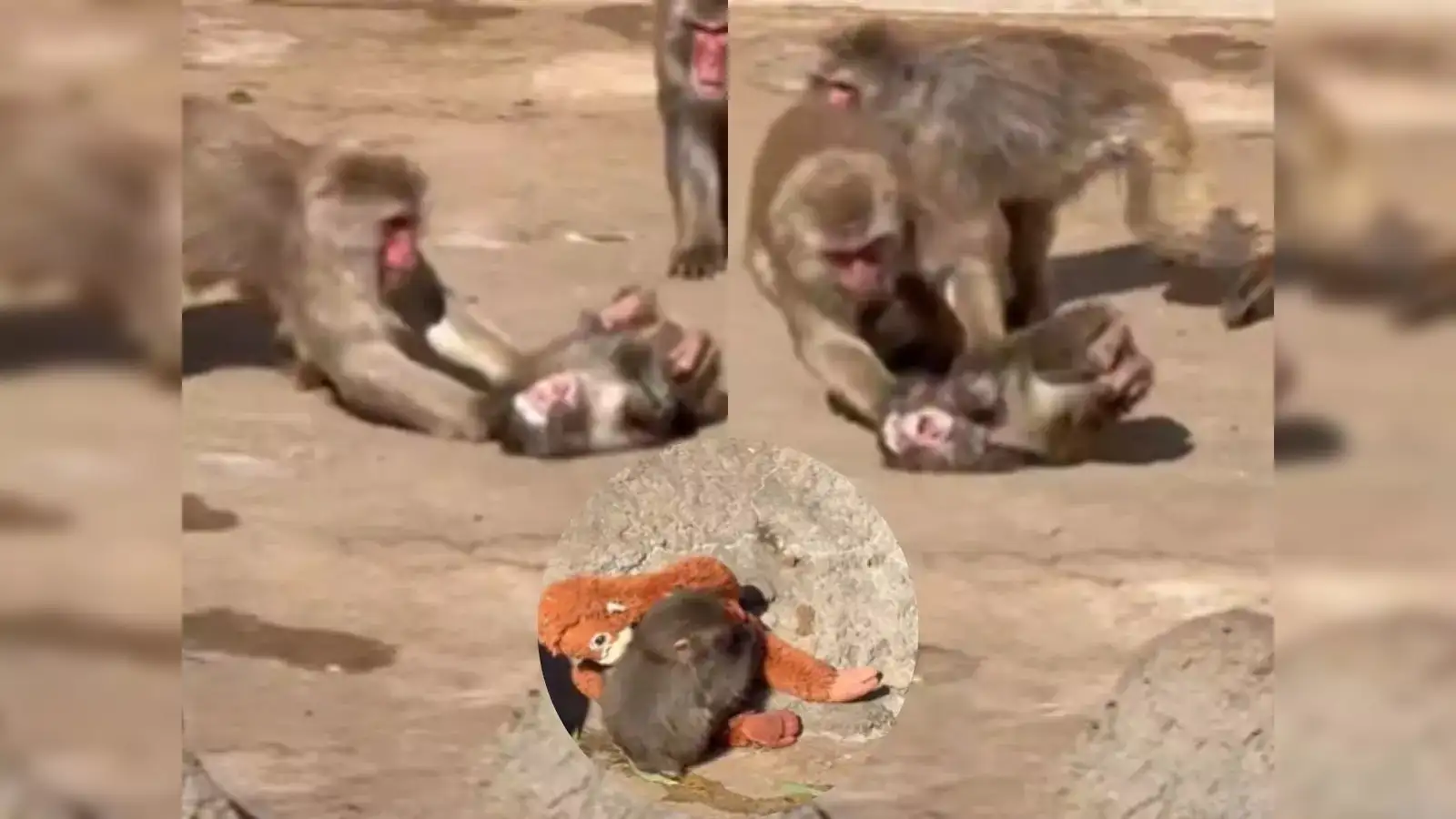
Then comes the moment that has circled the globe.
Punch turns and runs — not wildly, not angrily, but with a kind of quiet urgency — straight toward the oversized stuffed orangutan that has become his constant companion. He wraps both arms around it, pressing his small body into the plush fabric as if seeking reassurance from something that cannot reject him. He buries his face into it. He stays there.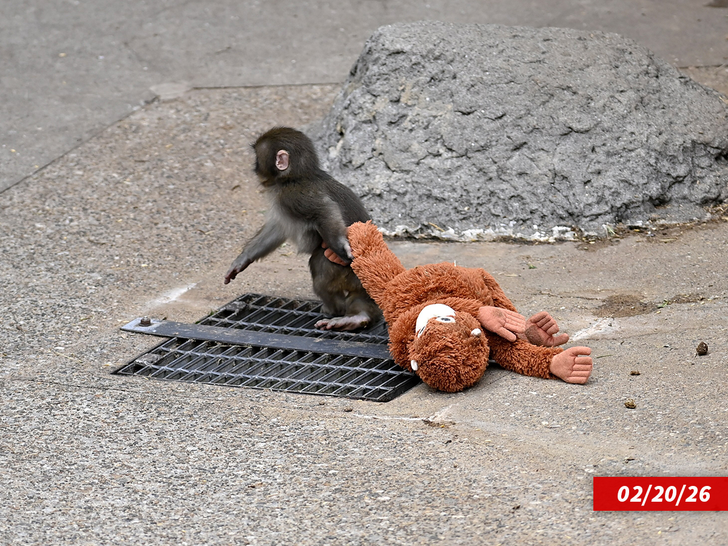
For viewers, the sequence feels painfully familiar. The dynamics of primate hierarchy are well documented; young macaques must navigate dominance structures and social boundaries. But stripped of scientific framing, what the footage captures is vulnerability in its purest form: a young animal rebuffed, then retreating to the only source of comfort he knows.:max_bytes(150000):strip_icc():focal(735x428:737x430)/punch-the-monkey-022026-2-697e10bb39f7455db86559fcf914fbf2.jpg)
The emotional response has been swift and widespread. Millions have shared the clips. Comment sections fill with words like “bullying,” “lonely,” and “heartbreaking.” Some see a lesson in resilience. Others see a reflection of childhood isolation played out in fur and fabric.
Yet zookeepers caution that social integration is rarely linear. Rejection, they note, can be part of the process. And in recent days, subtle changes in Punch’s interactions have reportedly emerged — moments that suggest the story unfolding inside that enclosure may not end with him clinging to a toy forever.
Because sometimes, the most powerful images are not just about sorrow — they are about what might come after it.