One of the most unsettling patterns in the IT: Welcome to Derry Season 1 finale has nothing to do with blood, shadows, or sudden violence. Instead, it lies in what characters fail to remember — or are unable to say out loud. Time and again, witnesses who directly observe tragedy later speak as though nothing ever occurred. Conversations stall mid-sentence. Faces go blank. Language itself seems to fail. The horror is not that something happened in Derry, but that it cannot be fully recalled.
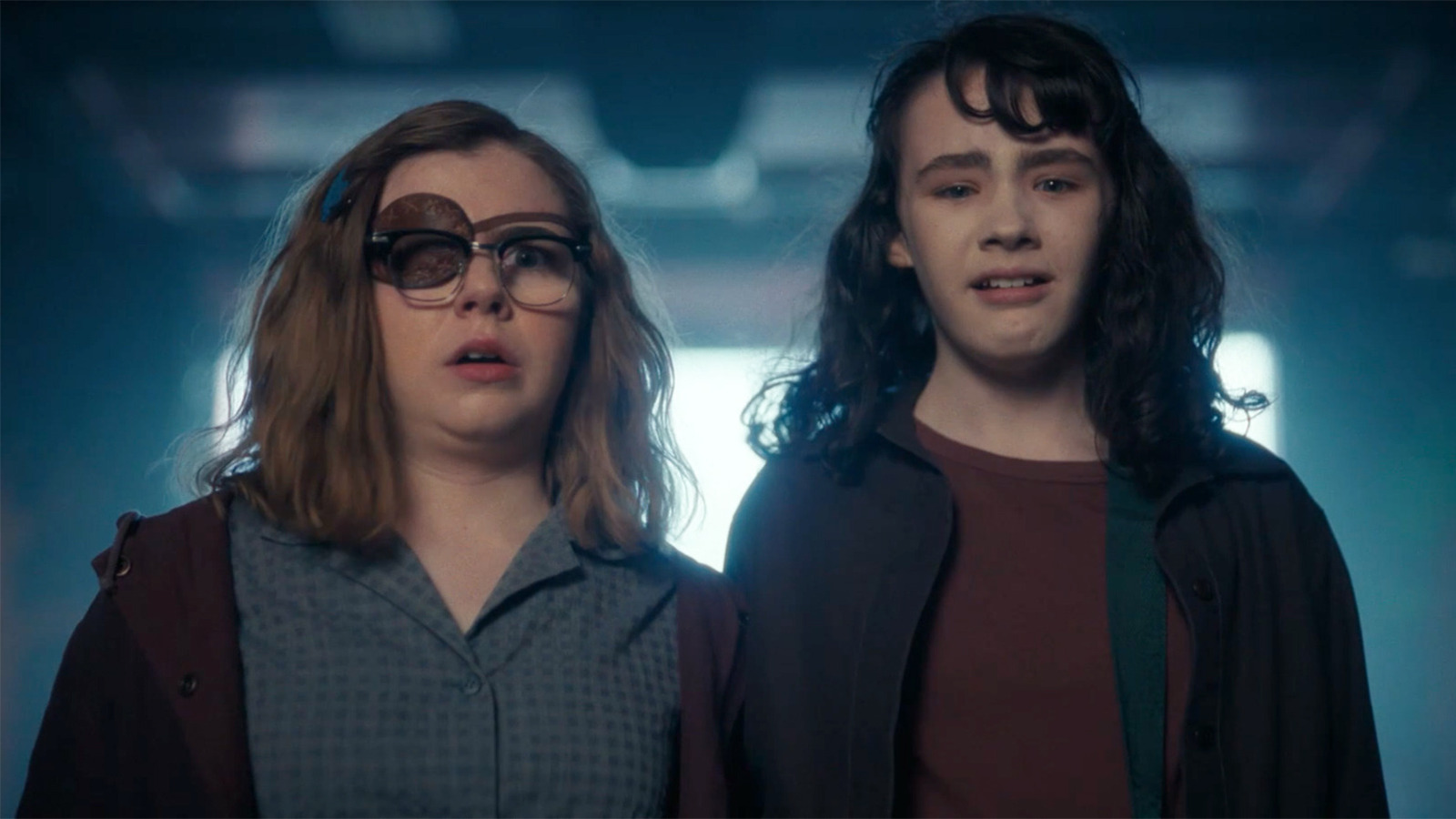
This repetition feels deliberate. Characters are not portrayed as forgetful, traumatized, or in denial in a conventional psychological sense. Rather, they behave as if an external force interrupts the act of remembering. In several scenes, characters begin to describe what they saw, only to falter, their expressions hollowing as if a barrier has been reached. The implication is subtle but powerful: memory in Derry is not simply fading — it is being interfered with.

The series appears to be advancing a critical expansion of Pennywise’s mythology. The creature does not merely feed on fear; it controls the conditions that allow fear to persist. By manipulating collective memory, Pennywise ensures that each generation remains isolated from the truth. Knowledge never accumulates. Testimony never becomes history. What cannot be remembered cannot be confronted.

This mechanism also offers a chilling explanation for Derry’s long-standing complicity. Across decades, residents are not ignorant because they refuse to look. They are ignorant because they are prevented from seeing clearly for long. Evil survives not through secrecy alone, but through enforced amnesia. The town becomes an accomplice without ever consciously choosing to be one.
This interpretation aligns closely with Stephen King’s broader thematic preoccupations. In King’s world, evil does not always conquer by overwhelming force. It endures because people look away, fail to act, or convince themselves that what they witnessed was not real. Welcome to Derry sharpens that idea further, suggesting that “looking away” may itself be engineered. Silence is not just social — it is supernatural.
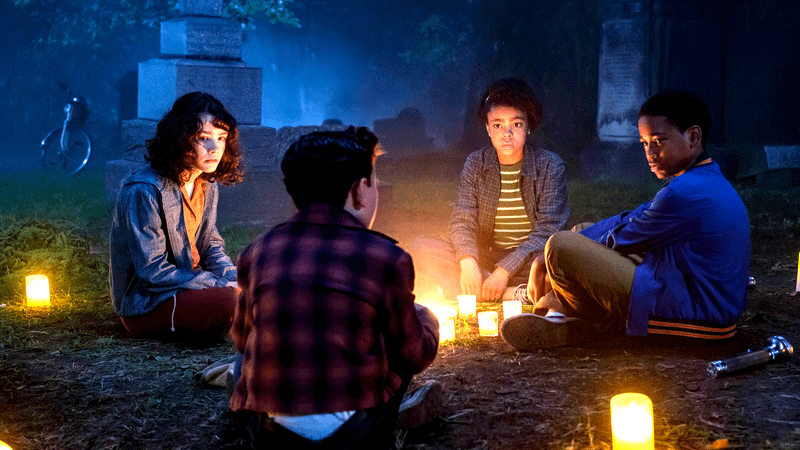
If Pennywise can suppress memory, the consequences for the narrative are profound. It means every past attempt to resist the entity may have been erased from history, not because it failed, but because it was forgotten. It also means that the true scale of Derry’s trauma has never been measured. The town does not heal; it resets.
The finale’s lingering unease stems from this realization. The scariest power Pennywise wields is not the ability to kill, but the ability to make those deaths disappear from collective awareness. Derry does not remember because it is not allowed to remember. And as long as memory can be controlled, the cycle of horror remains intact — unseen, unchallenged, and endlessly repeated.