Revered No More? Shocking Allegations Against César Chávez Ignite Nationwide Reckoning as Emotional Testimony From Dolores Huerta and Other Women Exposes Disturbing Claims of Abuse, Power, and Decades of Silence Within the United Farm Workers Movement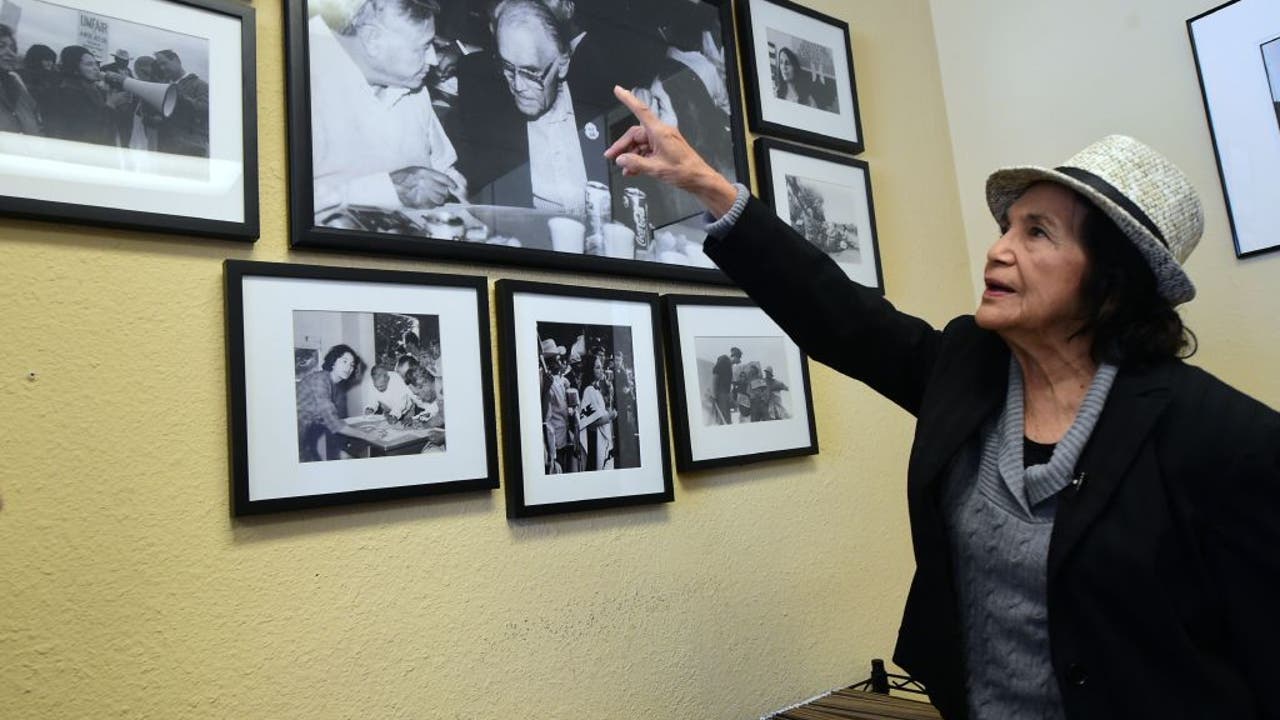
A sweeping investigation has triggered a profound and unsettling reassessment of César Chávez’s legacy, as multiple allegations of sexual abuse—some involving minors—have surfaced, supported by testimonies that paint a far more troubling picture of the civil rights icon’s private conduct. At the center of these revelations is Dolores Huerta, his longtime colleague and co-founder of the United Farm Workers, who has publicly accused Chávez of sexual assault in the 1960s, breaking a silence she maintained for more than six decades.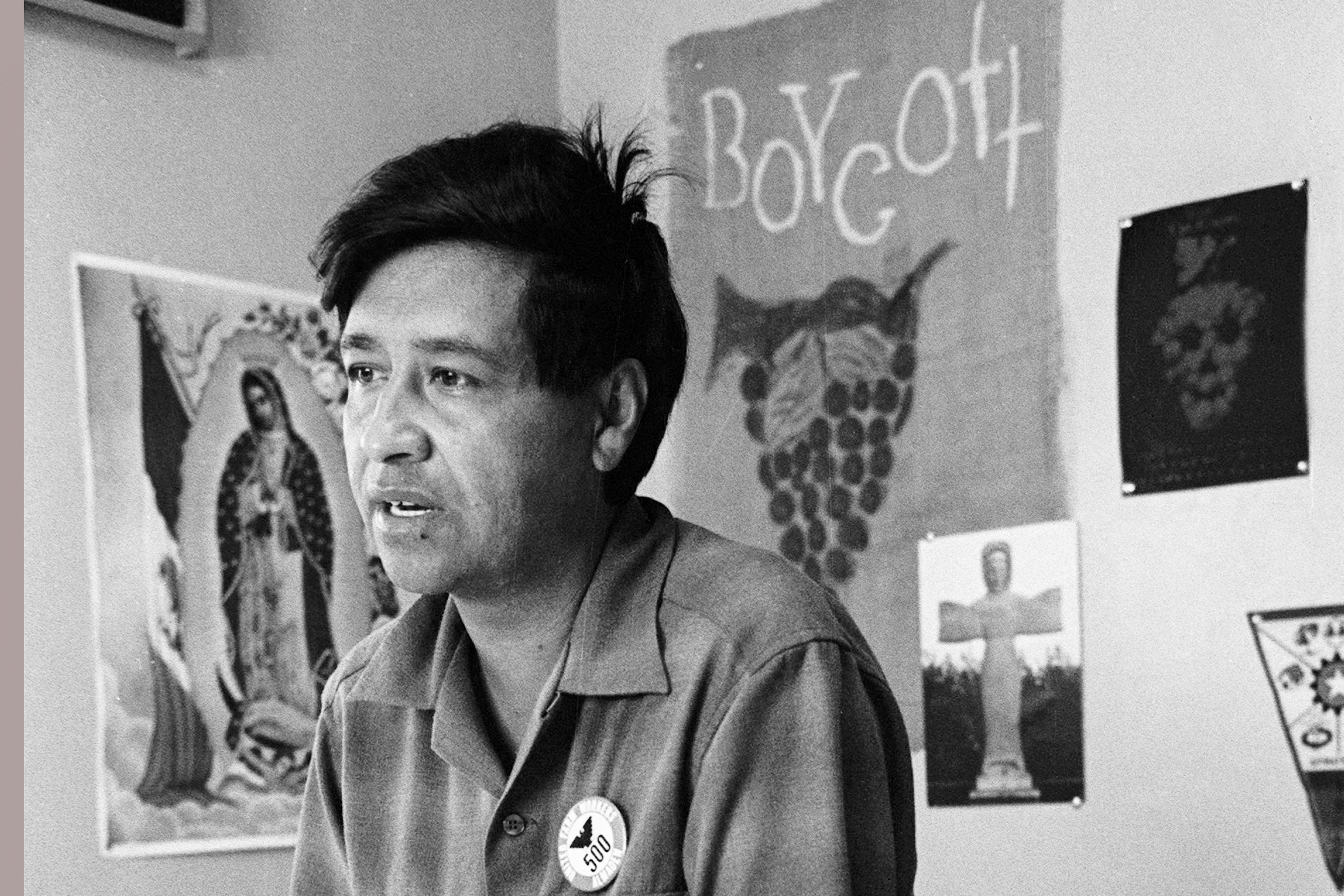
In an emotional statement, Huerta described two encounters—one involving coercion and another she said was forced—that resulted in pregnancies she kept secret for years, arranging for the children to be raised by other families. She explained that her decision to remain silent was driven by a determination to protect the farmworkers’ movement, which she believed could have been jeopardized had the allegations surfaced at the time.
The investigation also includes accounts from other women who allege they were abused as young girls within Chávez’s orbit, describing patterns of manipulation, control, and exploitation during the height of his influence. These claims have intensified scrutiny of the internal dynamics of the United Farm Workers, raising difficult questions about whether warning signs were overlooked or suppressed in service of a broader cause.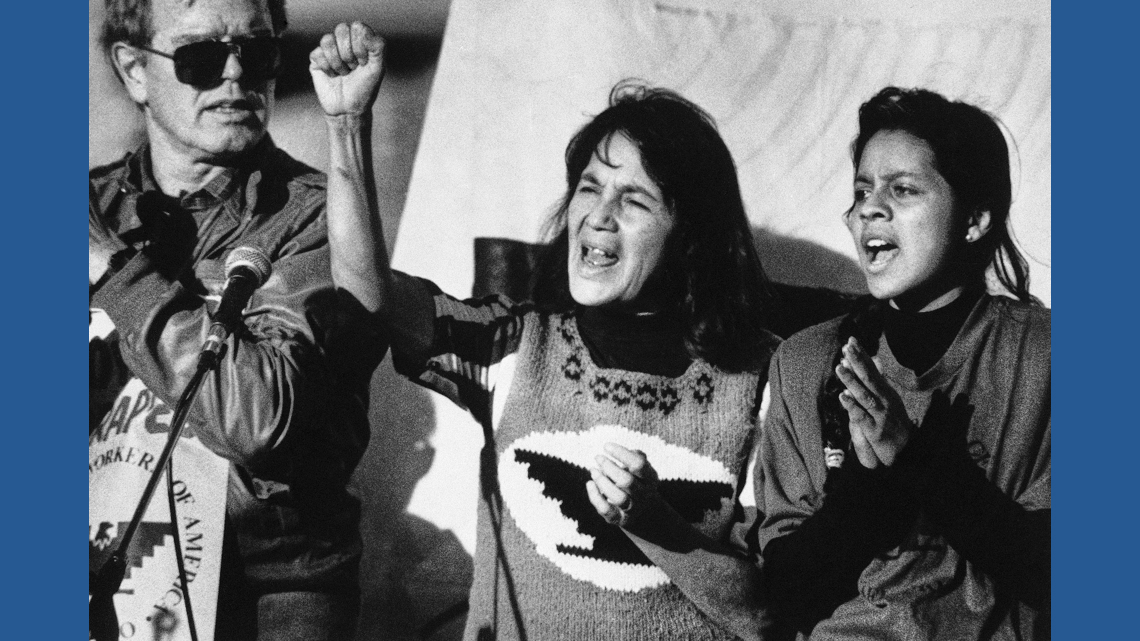
The fallout has been swift and far-reaching. Political leaders, advocacy groups, and labor organizations have condemned the alleged conduct, with some jurisdictions reconsidering public commemorations tied to Chávez’s legacy. Events honoring him have been canceled or reevaluated, and calls have emerged for a broader reassessment of how historical figures are remembered in light of new evidence.
For decades, Chávez has been celebrated as a symbol of justice and labor rights, credited with transforming conditions for farmworkers across the United States.  Yet the emergence of these allegations has complicated that legacy, forcing a confrontation with the possibility that the movement’s most prominent figure may have wielded his influence in deeply harmful ways behind closed doors. As testimonies continue to surface, the story has evolved into a broader reckoning—one that challenges not only a single legacy, but the structures of power, loyalty, and silence that allowed such claims to remain hidden for generations.