HIGH-SPEED OVERTAKE, A ROLLOVER CRASH, AND A SHOCKING DUI ARREST: INSIDE THE MOMENT GOLF ICON TIGER WOODS WAS TAKEN INTO CUSTODY AFTER A DRAMATIC FLORIDA INCIDENT THAT LEFT MORE QUESTIONS THAN ANSWERS
Golf legend Tiger Woods was arrested on suspicion of driving under the influence following a dramatic rollover crash near his home in Jupiter Island, Florida, an incident that has quickly reignited scrutiny over the athlete’s history with driving-related controversies.
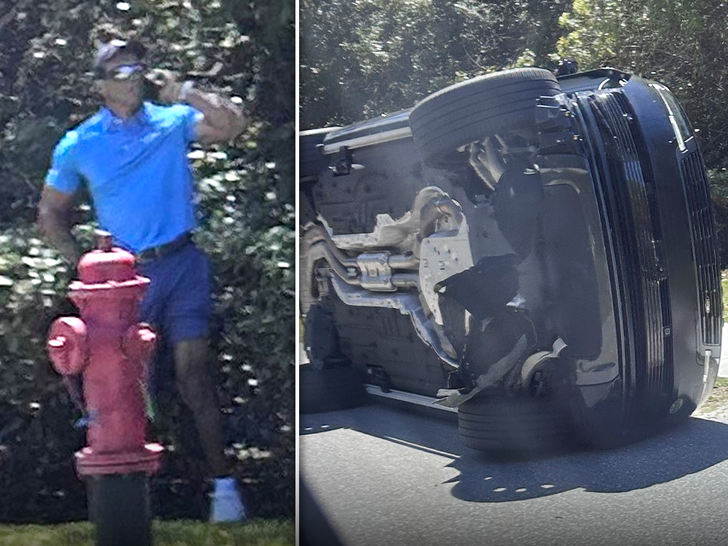
According to law enforcement officials, the crash occurred when Woods was traveling at a high rate of speed along a narrow two-lane road and attempted to overtake a vehicle ahead of him. In the process, his vehicle clipped the rear of a truck’s trailer, causing his Land Rover to overturn onto its side. Authorities arriving at the scene found Woods conscious and able to exit the vehicle through the passenger side, with no injuries reported for either party involved.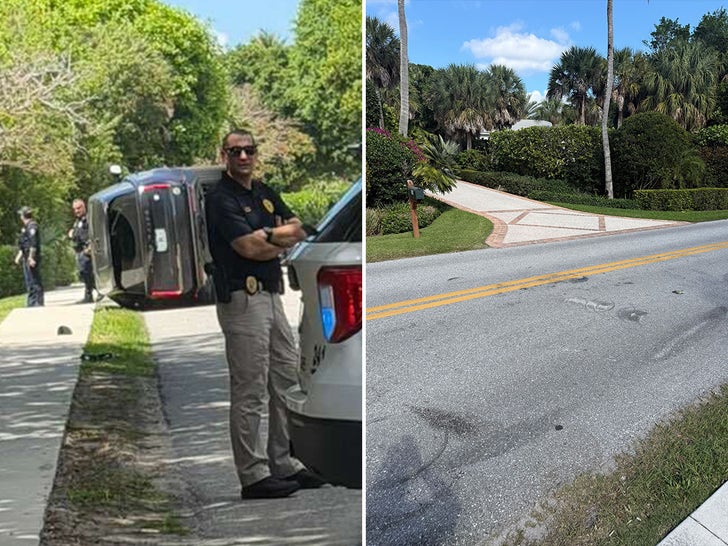
Deputies on site quickly observed what they described as signs of impairment, noting that Woods appeared lethargic and unsteady during initial interactions. Field sobriety tests were conducted, which he reportedly failed, leading to his arrest. However, a breathalyzer test administered at the scene returned a reading of 0.00%, indicating no presence of alcohol in his system.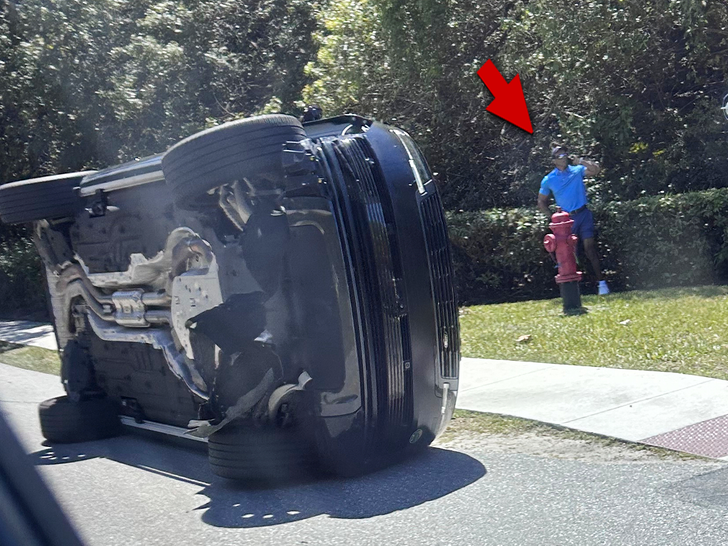
Despite the absence of alcohol, authorities indicated that impairment may have been linked to medication or other substances. Woods declined to submit to a urine test, a refusal that resulted in an additional charge under Florida law. He was subsequently booked on suspicion of DUI involving property damage and refusal to comply with lawful testing procedures.
Under state regulations, Woods was required to remain in custody for a minimum of eight hours before being eligible for release. Officials confirmed that he was cooperative during the arrest but cautious in his responses.
The incident marks another chapter in a complex history of driving-related issues for Woods, including a 2017 arrest in which he later attributed his condition to an adverse reaction to prescribed medications. The recurrence of similar circumstances has raised renewed concerns about the role of medication, recovery from multiple surgeries, and the pressures surrounding his recent return to competitive golf.
While no injuries were reported in the latest crash, the implications extend beyond the immediate incident, potentially affecting Woods’ professional schedule and public standing. As investigations continue and more details emerge, the case underscores the fragile intersection between personal health, accountability, and the intense public scrutiny faced by one of the most recognizable figures in modern sport.