Long before athlete endorsements became a routine part of sports marketing, former Matt Snell found himself at the center of one of the most memorable advertising campaigns in American television history.
Best known for his performance in Super Bowl III, where he helped the New York Jets secure their stunning 16–7 victory over the heavily favored Baltimore Colts, Snell later stepped into a very different spotlight.
In 1973, he became the first recognizable figure featured in the groundbreaking advertising campaign for Miller Lite built around the now-famous slogan “Tastes Great, Less Filling.”
The campaign would go on to become one of the most influential advertising strategies in the history of the beer industry. Its lighthearted, competitive tone—often featuring athletes, celebrities, and former sports stars debating the slogan’s two claims—quickly captured the attention of American audiences.
Snell’s appearance helped establish the formula that the campaign would continue to use for years: recognizable personalities from sports and entertainment placed in humorous debates over the qualities of the beer.
At the time, the approach represented a new kind of sports marketing. Rather than focusing solely on product features, the campaign leaned heavily on personality, humor, and the growing cultural influence of professional athletes.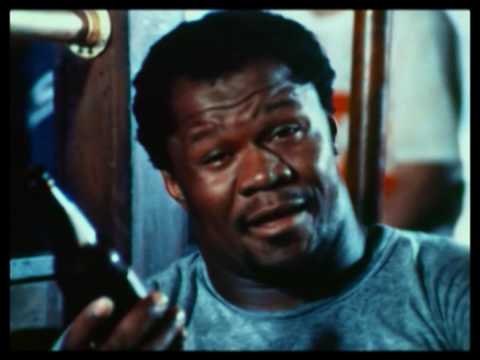
Advertising historians often note that the Miller Lite campaign helped redefine how brands used athletes in television marketing, paving the way for the endorsement-driven advertising landscape that would emerge in later decades.
For Snell, the role marked another chapter in a public life that had already included one of the most famous performances in football history. His presence in the early Miller Lite commercials helped give the campaign an authentic connection to sports culture at a time when professional athletes were becoming increasingly influential figures in American media.
Today, the “Tastes Great, Less Filling” campaign remains widely remembered as a landmark in advertising history—one that unexpectedly linked a Super Bowl hero to one of television’s most enduring marketing slogans.