The moment the jury foreman uttered the word “Death,” something inside the Fort Worth courtroom visibly changed. Tanner Horner — the former FedEx contract driver convicted in the horrifying kidnapping and murder of 7-year-old Athena Strand — reportedly sat frozen as reality finally crashed down around him. Just hours earlier, he had still been surrounded by attorneys, deputies, reporters, and family members inside a crowded Texas courtroom. By nightfall, he was being processed into one of the most feared prison systems in America, a place former inmates have described as a “living tomb” built for men society never wants to see again.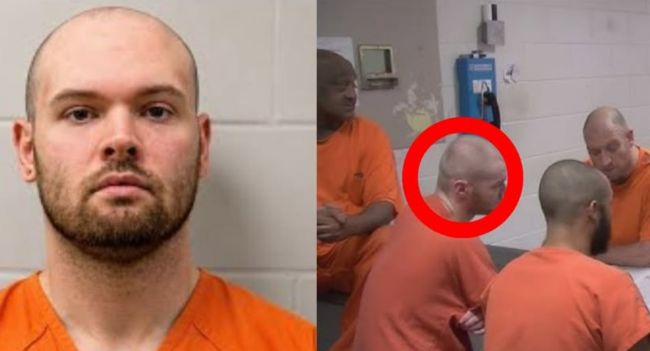
Following his sentencing, Horner was transferred into the Allan B. Polunsky Unit, the notorious Texas death row facility where condemned inmates spend years isolated inside cramped concrete cells while waiting for execution dates that can take decades to arrive. Unlike ordinary prisons, there are no bustling cafeterias, no yard conversations, no human normalcy left inside these walls. According to reports about the facility, inmates are locked alone for roughly 22 hours a day in steel-and-concrete cells barely larger than a parking space, constantly monitored by guards and surveillance cameras. Meals slide through narrow slots in metal doors. Recreation happens alone inside caged enclosures. Even basic human interaction becomes rare after enough years pass.
For many Americans following the Athena Strand case, the imagery surrounding Horner’s transfer feels almost as haunting as the verdict itself. Just weeks ago, prosecutors painted him as an ordinary-looking delivery driver hiding monstrous behavior behind a familiar uniform. Jurors listened to chilling audio recordings allegedly captured inside his FedEx van before Athena’s death, including the disturbing phrase prosecutors say was spoken to the terrified 7-year-old moments before her life was taken. The emotional weight of that evidence reportedly consumed the courtroom throughout the brutal 16-day trial, culminating in a lightning-fast deliberation that lasted less than three hours before jurors unanimously decided Horner should die.
But while the courtroom drama dominated headlines, another terrifying reality quietly began behind prison gates. Death row in Texas is not simply punishment — it is psychological erosion stretched across years. Former inmates and prison experts have repeatedly described the Polunsky Unit as one of the harshest incarceration systems in the country, where silence itself becomes part of the sentence. Prisoners wake up inside the same concrete walls every day knowing they may spend the next decade or more waiting for appeals while the outside world slowly forgets their names.
According to reports surrounding the facility, Horner’s daily existence now follows a relentless cycle: steel doors slamming shut, fluorescent lights burning through sleepless nights, heavily restricted movement, constant escort procedures, and isolation so extreme that some inmates reportedly begin talking to themselves simply to hear another voice. Critics of the prison system have long argued the conditions amount to mental torture, while supporters insist the state reserves such treatment for criminals whose crimes crossed every imaginable moral boundary.
And for Athena Strand’s family, no prison sentence can restore what was stolen. A child who should have been opening Christmas presents never came home. Prosecutors argued throughout trial that Horner had multiple opportunities to spare the little girl’s life but instead chose violence, a claim the jury clearly accepted when they rejected every request for mercy from the defense. By the end of sentencing, jurors officially concluded Horner would remain a continuing threat to society for the rest of his life.
Now, behind the walls of Texas death row, the former delivery driver begins a future defined entirely by waiting. Waiting for appeals. Waiting for court rulings. Waiting for the possibility of execution. Waiting inside a concrete cell where every day reportedly feels identical to the one before it. But according to one observer present during sentencing, the most chilling moment came after the cameras stopped rolling, when Horner allegedly realized that the rest of his life may now pass in near-total isolation — and that no matter how many years remain before his execution date arrives, the cell door will still close every single night.