ROLLOVER CRASH, ZERO ALCOHOL, AND SUSPICIONS OF STIMULANTS: INSIDE THE SHOCKING DUI ARREST OF TIGER WOODS AS AUTHORITIES POINT TO POSSIBLE DRUG IMPAIRMENT, REFUSED TESTING AND A TROUBLING PATTERN THAT RAISES NEW QUESTIONS ABOUT THE GOLF LEGEND’S CONDITION
Golf icon Tiger Woods was arrested on suspicion of driving under the influence following a dramatic rollover crash in Florida, with authorities now indicating that drugs or medication—not alcohol—may have played a critical role in the incident. 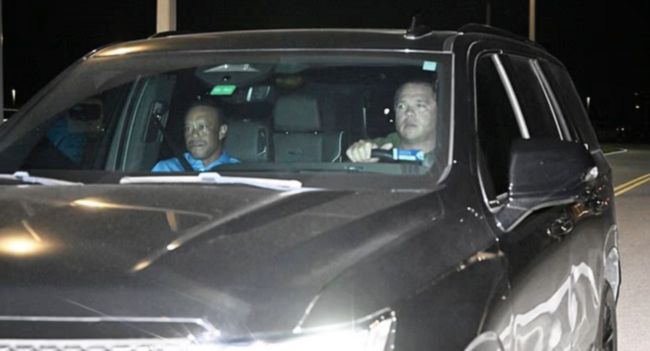
According to law enforcement officials, the crash occurred near Woods’ residence on Jupiter Island when his vehicle, a Land Rover, attempted to overtake a truck on a narrow two-lane road at high speed. During the maneuver, the vehicle clipped the rear of a trailer, causing it to overturn onto its side. Despite the severity of the crash, Woods was able to exit the vehicle without assistance, and no injuries were reported.
However, responding officers quickly noted what they described as visible signs of impairment. Field sobriety tests were conducted, which Woods reportedly failed, leading to his arrest at the scene. A breathalyzer test later confirmed a 0.00% blood alcohol level, ruling out alcohol as a factor and shifting attention toward other possible substances.
Authorities have since suggested that the impairment may have been linked to medication or stimulants, although no definitive substance has been publicly identified. The situation was further complicated when Woods refused to submit to a urine test, a decision that resulted in an additional charge under Florida law and left investigators without conclusive toxicology results.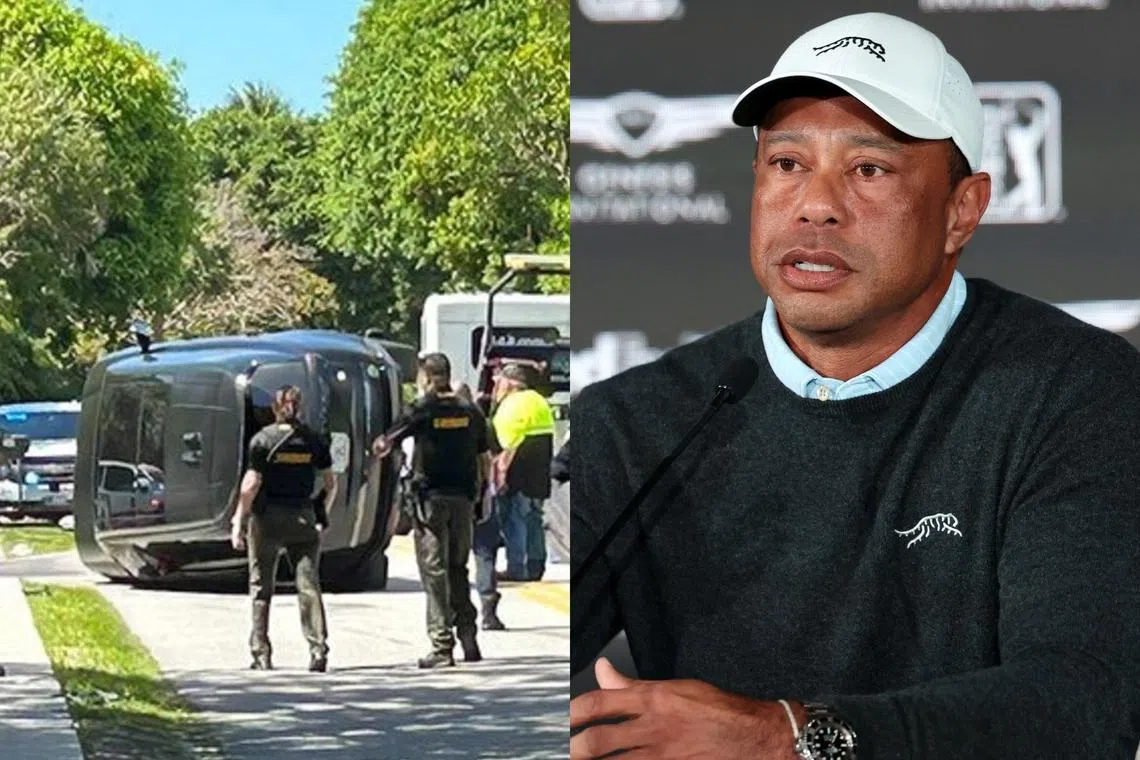
The arrest marks a troubling continuation of Woods’ history with driving-related incidents and substance-related concerns. In 2017, he was arrested under similar circumstances and later attributed his condition to a combination of prescription medications. That case resulted in a reduced charge and mandated treatment, but the latest incident has reignited scrutiny over his ongoing health and recovery from multiple surgeries.
While Woods has since been released after several hours in custody, the legal and public ramifications remain significant. Questions now center not only on what substance may have contributed to the crash, but also on how the incident could impact his future in professional golf, particularly as he had only recently begun returning to competition.
As investigators continue to examine the case, the combination of high speed, suspected drug impairment, and refusal to comply with further testing leaves a critical gap in the official narrative—one that may ultimately determine how this latest chapter in Woods’ career is understood.