For nearly three weeks, the Texas courtroom sat through what prosecutors described as a nightmare reconstructed piece by piece — a horrifying sequence of evidence that ultimately convinced jurors Tanner Horner deserved the death penalty for the abduction and murder of 7-year-old Athena Strand. But while Horner repeatedly insisted during interrogations that he “panicked” and “didn’t know what to do,” prosecutors argued the overwhelming evidence presented across 19 emotionally brutal days revealed something far darker: deception, manipulation, and calculated cruelty hidden behind shifting excuses. 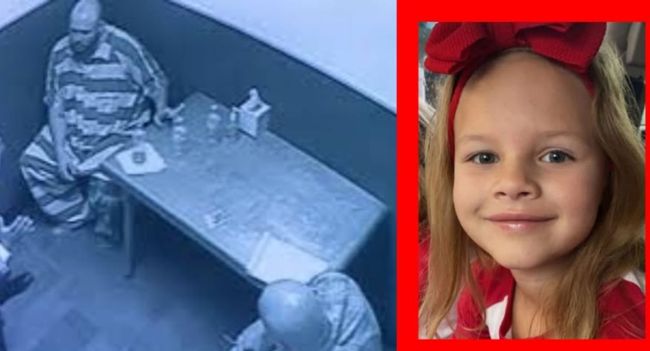
The case, which first shocked America in late 2022, centered around Athena Strand’s disappearance from her family’s property in Paradise, Texas. Horner, then working as a FedEx delivery driver, had arrived at the home carrying a Christmas package intended for the little girl. Hours later, Athena vanished. Investigators would eventually uncover evidence showing Horner abducted the child, assaulted her inside his truck, and later killed her before dumping her body in a remote area.
During the sentencing phase in 2026, prosecutors carefully walked jurors through every devastating detail of Athena’s final hours. Among the most haunting pieces of evidence were recordings recovered from inside Horner’s delivery vehicle. Jurors reportedly listened as Athena initially spoke calmly to Horner, discussing school and ordinary childhood topics before slowly realizing she was trapped in danger. According to courtroom testimony, the frightened 7-year-old eventually asked him directly, “Are you a kidnapper?” — a question that reportedly left several jurors openly crying in court.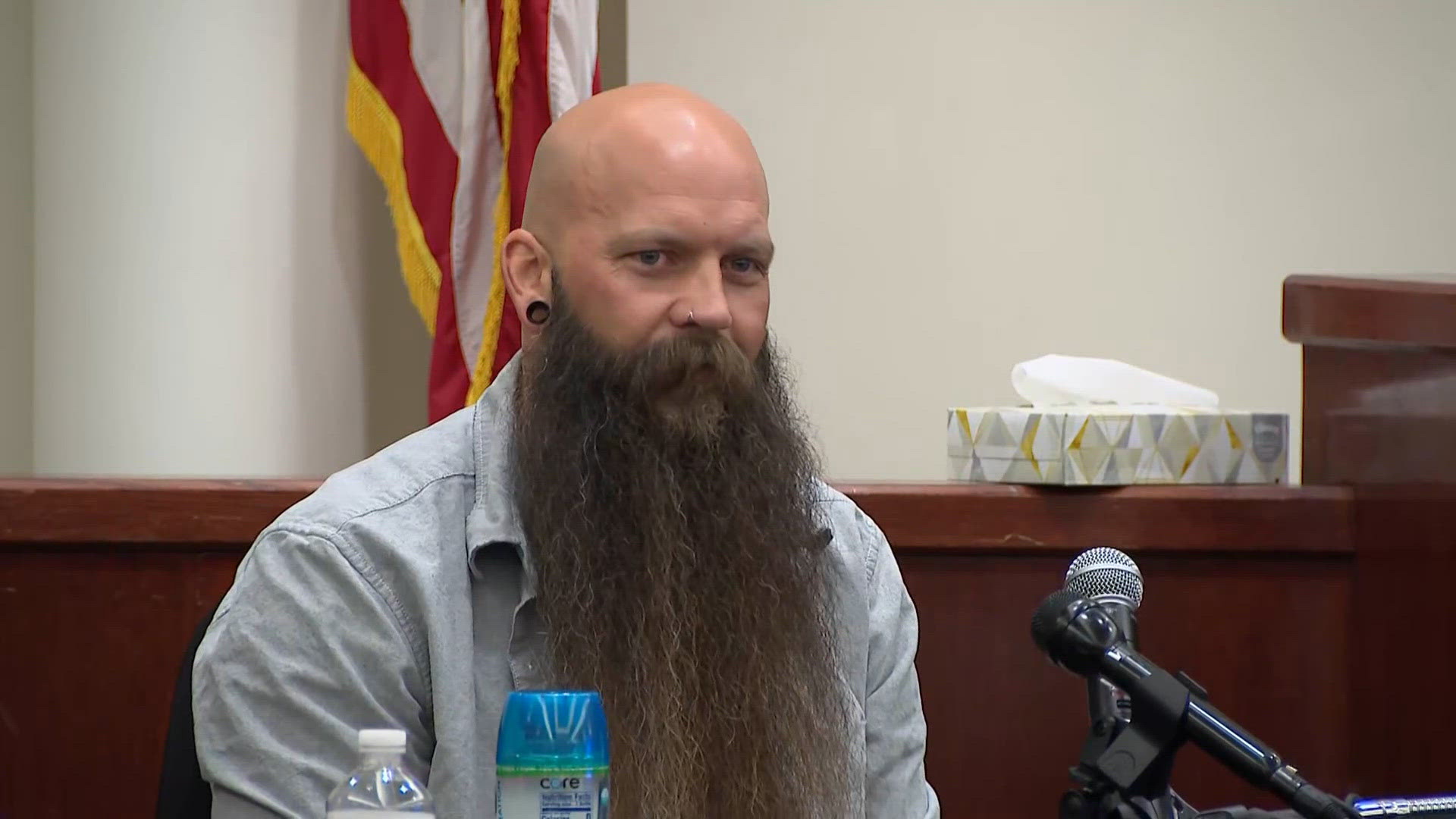
Prosecutors argued the recordings completely destroyed Horner’s original explanation that Athena’s death happened accidentally after he struck her with his truck and panicked. Instead, they alleged the evidence revealed a prolonged kidnapping in which Horner repeatedly lied to investigators while Athena was still missing. Authorities testified that Horner changed his story multiple times during questioning, invented details to mislead police, and even created an alleged alternate personality named “Zero” in an apparent attempt to separate himself from responsibility for the crime.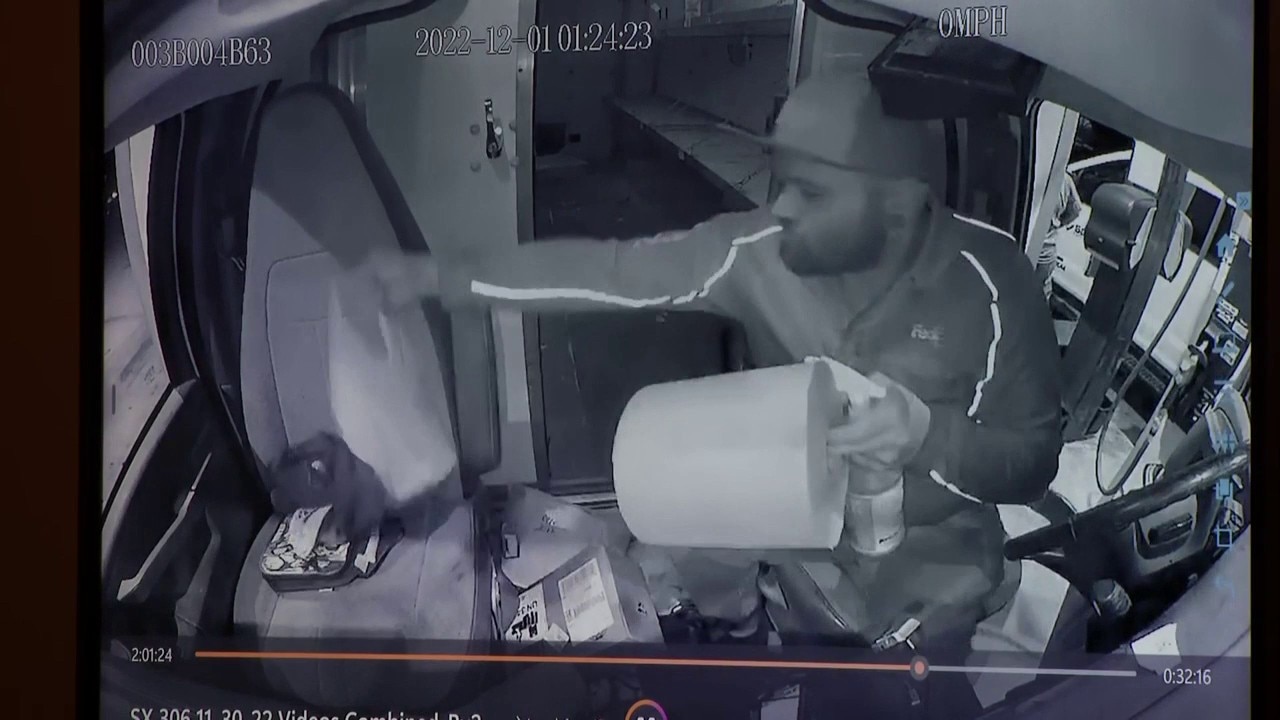
The prosecution also presented disturbing forensic evidence during the trial. Medical experts testified that Athena suffered blunt force injuries and was ultimately strangled. DNA evidence introduced in court suggested the possibility of sexual assault before her death, adding another horrifying dimension to a case that already left the courtroom emotionally shattered. Several family members reportedly walked out during portions of the testimony, unable to endure hearing the details.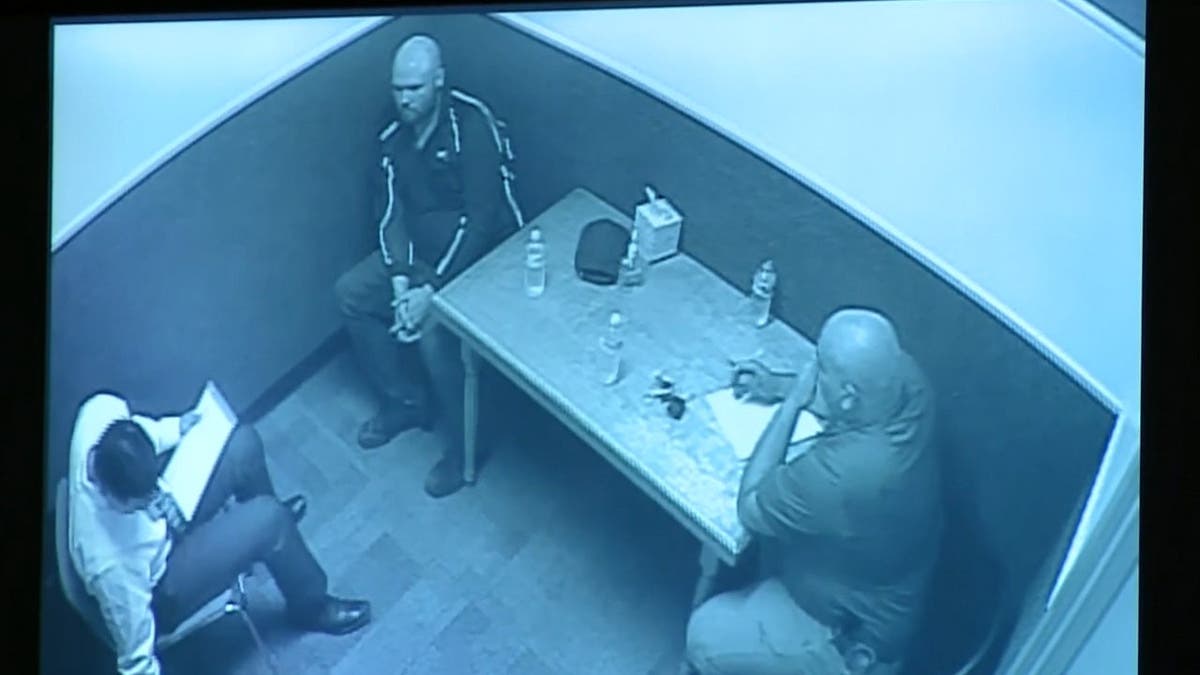
Meanwhile, Horner’s defense team spent days attempting to convince jurors that his actions stemmed from severe neurological and psychological problems rather than pure evil. Defense experts testified about alleged autism spectrum disorder, bipolar disorder, ADHD, childhood trauma, and possible brain damage caused by lead exposure during Horner’s upbringing. They argued he confessed to police, cooperated with investigators, and showed remorse after the killing. But prosecutors insisted the pattern of manipulation throughout the investigation proved Horner remained extraordinarily dangerous.
One of the trial’s most disturbing moments came when prosecutors played footage of Horner interacting with investigators shortly after Athena disappeared. According to testimony, Horner initially acted calm and detached even as volunteers searched desperately for the little girl nearby. At one point, authorities alleged he misdirected investigators regarding Athena’s location while already knowing she was dead. Prosecutors argued those actions revealed not panic, but deliberate attempts to buy time and conceal the truth.
The emotional weight inside the courtroom intensified even further when Athena’s family delivered victim impact statements directly toward Horner after the jury recommended the death penalty. Athena’s uncle told the convicted killer he would ultimately become “a footnote” in Athena’s story, while the young girl’s mother stood before the courtroom still holding memories of the Christmas package Athena never truly got to enjoy. Prosecutors repeatedly reminded jurors that the box Horner delivered that day reportedly contained Barbie dolls called “You Can Be Anything” — a detail many observers described as unbearably heartbreaking.
After 19 days of testimony, the jury deliberated only briefly before unanimously sentencing Horner to death by lethal injection. Witnesses inside the courtroom described a suffocating silence as the verdict was read aloud. Some claimed Horner appeared stunned. Others said his expression barely changed at all. But for many following the case, the most haunting aspect was not simply the punishment itself — it was the overwhelming realization of how much evidence jurors had been forced to hear before reaching that decision.
Now housed inside Texas’ infamous Polunsky Unit while awaiting appeals, Horner faces decades on death row under some of the harshest prison conditions in America. Yet online fascination surrounding the case continues growing, particularly around the recordings from inside the truck and the lingering questions about what exactly happened during Athena’s final moments.
And according to whispers now spreading among people connected to the proceedings, at least one investigator allegedly believes jurors were never shown the full extent of one specific recording introduced during trial — a missing detail that could explain why several courtroom observers reportedly left the building in tears before testimony had even finished.