At first glance, Vecna is pure nightmare fuel — a godlike predator stalking the minds of teenagers, bending reality, and turning trauma into a weapon. But a new fan theory making the rounds online offers a far less terrifying, and oddly relatable, explanation for his habits: Vecna only attacks at night because he’s… shy.
Yes. Shy.

According to the theory, Vecna isn’t lurking in the shadows because of strategy or supernatural necessity. He’s doing it because daylight, crowds, and eye contact are simply too much. While Hawkins bustles with students, teachers, mall shoppers, and loud human energy, Vecna stays put — avoiding sunlight, social interaction, and the general chaos of people being awake. Night, on the other hand, is his comfort zone. Fewer witnesses. Less noise. Maximum confidence.
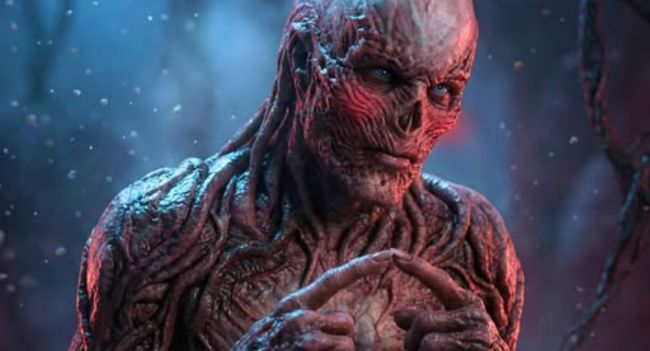
In other words, Vecna may be the Upside Down’s most dramatic introvert.
Fans have jokingly pointed out that throughout Stranger Things, Vecna never makes a grand entrance in broad daylight. He waits. He observes. He strikes when the world is quiet and everyone is alone with their thoughts — the exact conditions an introvert villain would prefer. Daytime Hawkins is full of awkward variables. Nighttime Hawkins? Controlled. Predictable. Safe.
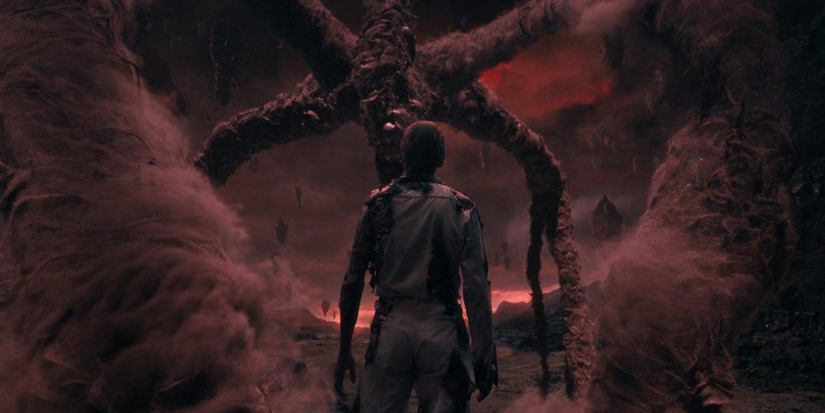
The theory reframes his entire routine. Instead of a master strategist biding his time, Vecna becomes a being who needs the emotional cover of darkness to fully commit to his villain persona. During the day, he’s allegedly hiding out, mentally rehearsing monologues, psyching himself up, and waiting for the moment when he doesn’t have to worry about running into a crowd or making accidental eye contact with a passing jogger.
Once night falls, though, everything changes. The confidence kicks in. The red lightning flares. The clocks start ticking. This is Vecna in his element — alone, theatrical, and finally ready to terrorize without interruption.
What makes the theory especially funny is how well it accidentally fits the character. Vecna doesn’t just kill; he monologues. He chooses victims carefully. He needs emotional vulnerability, silence, and space. That’s not the behavior of a chaotic extrovert villain. That’s someone who needs the right vibe before engaging socially — even if that “social interaction” involves psychic murder.
Of course, no one is seriously arguing that Vecna is avoiding the sun because he’s bashful. But the humor lies in how this lighthearted take humanizes a monster built entirely around isolation, resentment, and internalized pain. Strip away the horror, and Vecna is still someone who operates best when the world leaves him alone.
In a show where trauma manifests as monsters and fear becomes physical, maybe it’s fitting that the biggest bad of all thrives in the quiet hours — when thoughts are loudest and no one is watching.
So the next time Vecna waits until midnight to strike, fans won’t just be thinking about strategy or suspense. They’ll be imagining him peeking out from the Upside Down, checking the time, and thinking to himself:
“Okay… everyone’s asleep. I can do this now.”