For months, the narrative around John Harbaugh’s departure from Baltimore has been framed as a simple football failure: a disappointing 8–9 season, missed playoffs, and a franchise ready to move on. But inside the Ravens’ organization, whispers suggest the real story may have been unfolding far from the scoreboard — deep within the locker room.
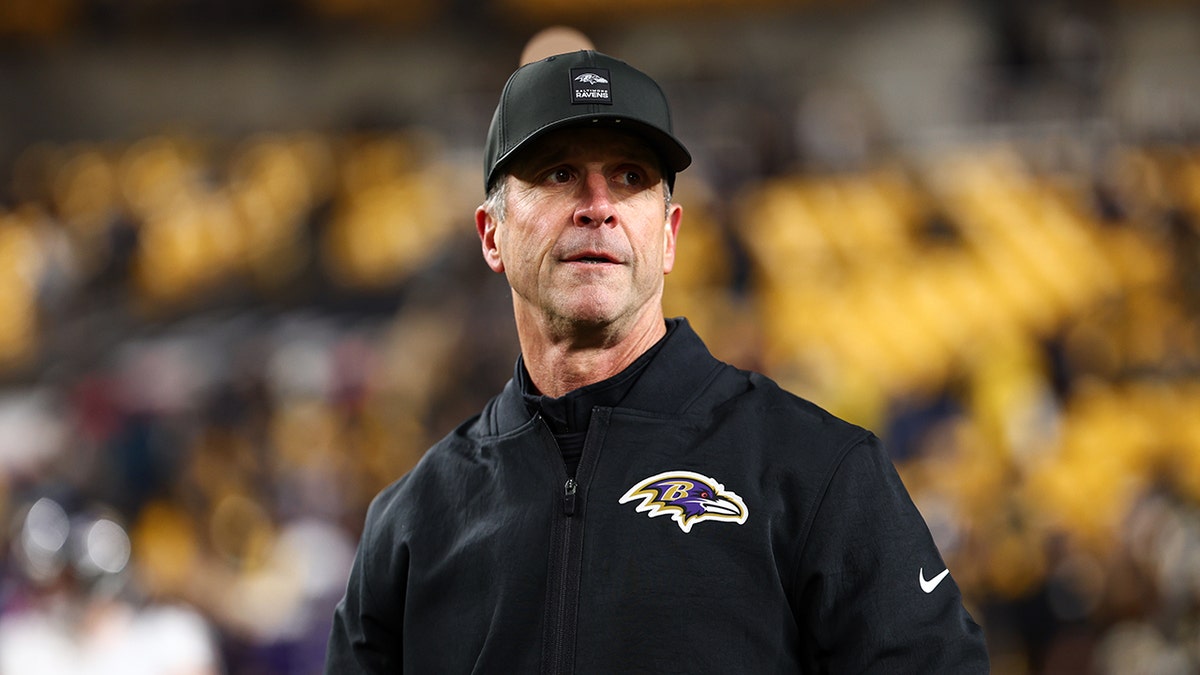
According to multiple internal sources speaking anonymously, the tension that ultimately led to Harbaugh’s dismissal was not sparked by losses alone, but by a growing, unspoken rift between the veteran head coach and the face of the franchise: Lamar Jackson.
Insiders describe an atmosphere that subtly shifted as the season progressed. Meetings grew shorter. Communication reportedly became more indirect. Harbaugh, once known for his steady presence and open-door leadership style, allegedly began distancing himself from certain players — most notably Jackson — during critical stretches of the season. What appeared publicly as strategic restraint was, behind closed doors, interpreted by some staffers as disengagement.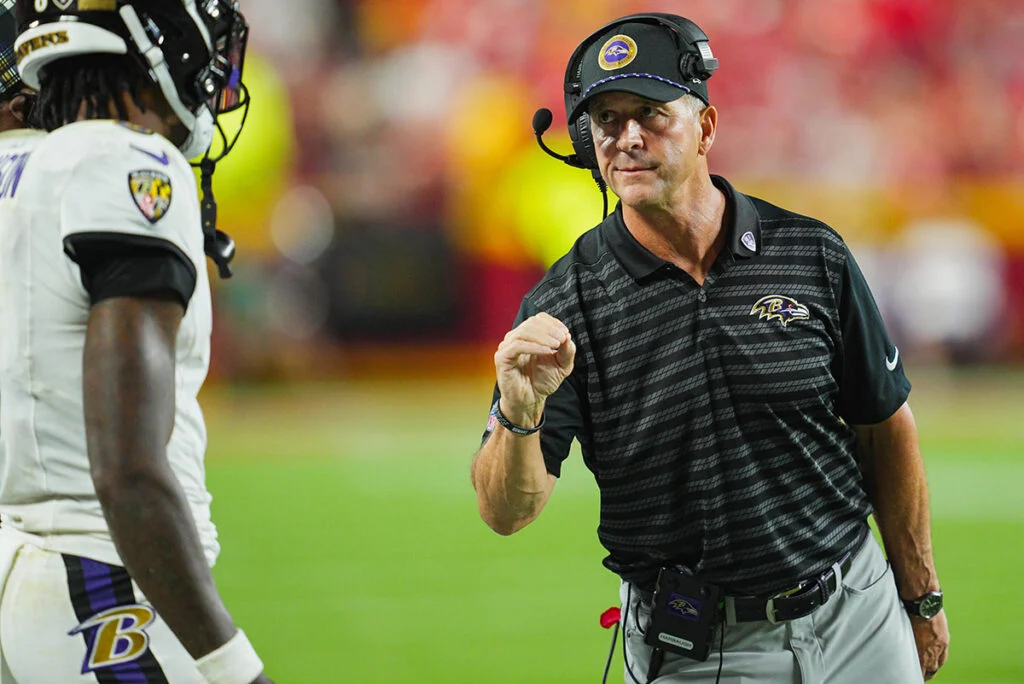
Several team employees have hinted at “unusual behavior” from Harbaugh in the weeks leading up to his firing. He was said to be more guarded in internal discussions, less receptive to offensive input, and increasingly rigid in his vision for the team — even as Jackson pushed for greater influence over offensive adjustments. While no explosive confrontation has been confirmed, the silence between them reportedly spoke volumes.
One source described the situation as a “cold war,” not a shouting match. No dramatic blowups. No leaked arguments. Just a slow erosion of trust between a head coach rooted in structure and a superstar quarterback seeking evolution and control. In a modern NFL increasingly shaped around elite quarterbacks, that imbalance can be fatal.
The Ravens’ front office has publicly denied any single factor behind Harbaugh’s firing, emphasizing “organizational alignment” and “future direction.” Yet privately, executives were said to be increasingly concerned that the locker room was beginning to fracture — with players quietly choosing sides, and leadership no longer unified at the top.
Whether the tension with Lamar Jackson was the cause or merely a symptom remains unanswered. But in today’s NFL, perception can be just as powerful as reality. And when a franchise quarterback and a long-tenured head coach appear to be moving in different directions, ownership is often forced to choose.
John Harbaugh leaves Baltimore with a Super Bowl ring, years of credibility, and now, a cloud of unanswered questions. Lamar Jackson remains, empowered and central to the Ravens’ future. The scoreboard may tell one story — but the locker room may have told another entirely.
And the truth? It may never be spoken out loud.