A new personal controversy has intensified the pressure surrounding Michigan head coach Sherrone Moore, just days before an investigative hearing tied to broader allegations. A model has publicly accused Moore of “aggressively pursuing” her through direct messages, igniting a wave of speculation about whether the exchanges could be used as evidence in ongoing inquiries.
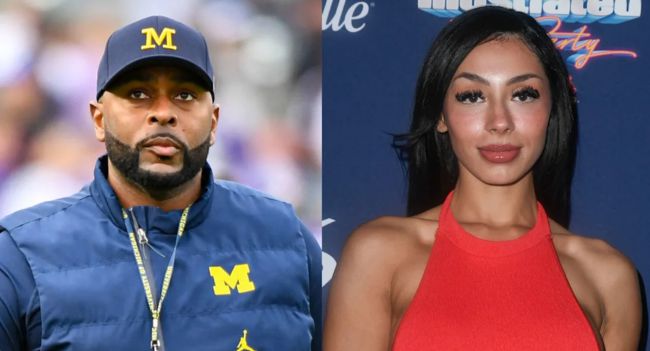
The woman claims Moore repeatedly contacted her via social media, describing the tone of the messages as intrusive and inappropriate. Screenshots circulating online appear to show a series of unsolicited messages, timestamps, and profile identifiers allegedly linked to Moore’s verified accounts. Some posts also include contextual claims about the timing of the messages and her attempts to disengage.
Legal experts caution that such digital communications, while potentially damaging reputationally, do not automatically constitute criminal wrongdoing. Unless the content demonstrates coercion, threats, or violations of specific laws, the matter is more likely to remain a reputational and civil liability issue rather than a criminal one. However, in the court of public opinion—and within institutional investigations—such evidence can still influence perceptions, disciplinary decisions, and contractual consequences.

Moore has not publicly commented on the accusations, and his legal team has not confirmed the authenticity of the messages. Analysts note that social media screenshots are easily manipulated, and authentication would require forensic verification, platform metadata, or corroboration from platform records.
Still, the timing of the accusations—emerging just before the hearing—has amplified scrutiny around Moore’s conduct both on and off the field. And according to a source familiar with the inquiry, investigators are reviewing a separate digital communication trail that has not yet been made public, which could significantly change the narrative once disclosed.