The NFL has ignited a major political controversy after selecting global superstar Bad Bunny—an artist who performs primarily in Spanish and has publicly criticized U.S. immigration policies—for a high-profile performance, triggering a fierce backlash from conservative groups and top political leaders.

Critics argue that the league’s decision signals a political stance rather than a purely cultural or entertainment choice. Conservative commentators and advocacy organizations accused the NFL of “politicizing America’s biggest sporting event” and using its massive platform to promote views on immigration that many voters strongly oppose.
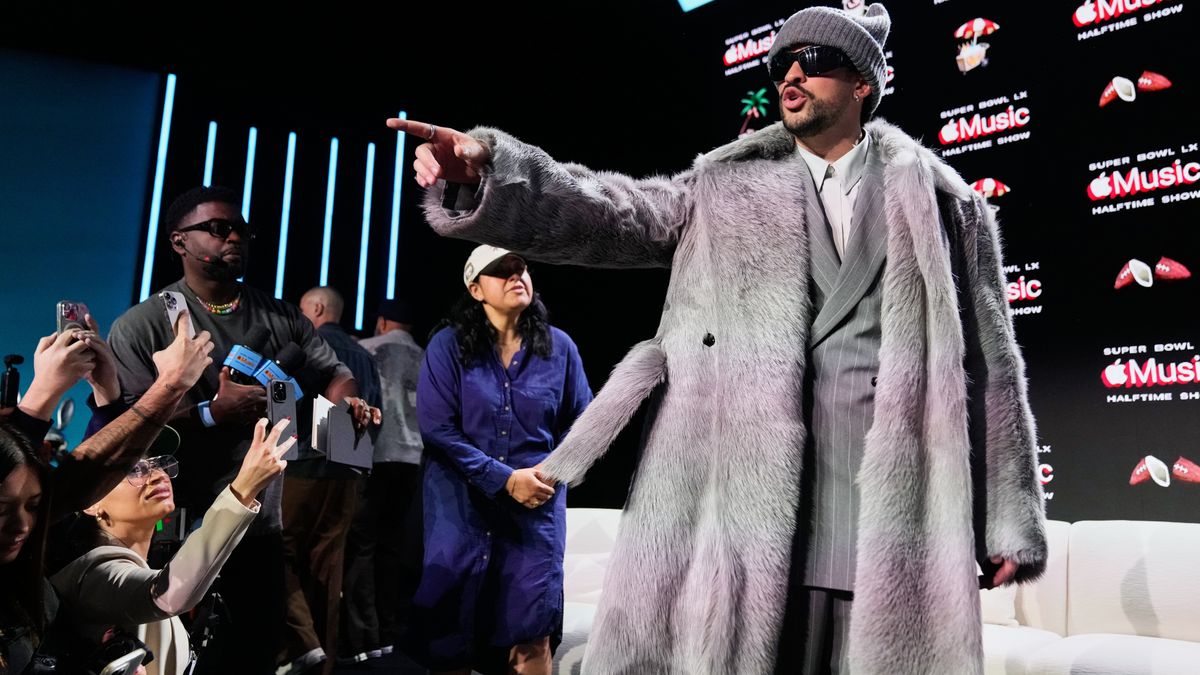
The reaction escalated dramatically when the President of the United States and House Speaker Mike Johnson publicly condemned the decision. In separate statements, both leaders criticized the NFL for what they described as injecting divisive politics into a unifying national spectacle. According to political sources, Speaker Johnson went further, delivering what insiders called an “ultimatum” to NFL leadership, demanding the league clarify its stance on political messaging and cultural representation or face potential legislative and regulatory scrutiny.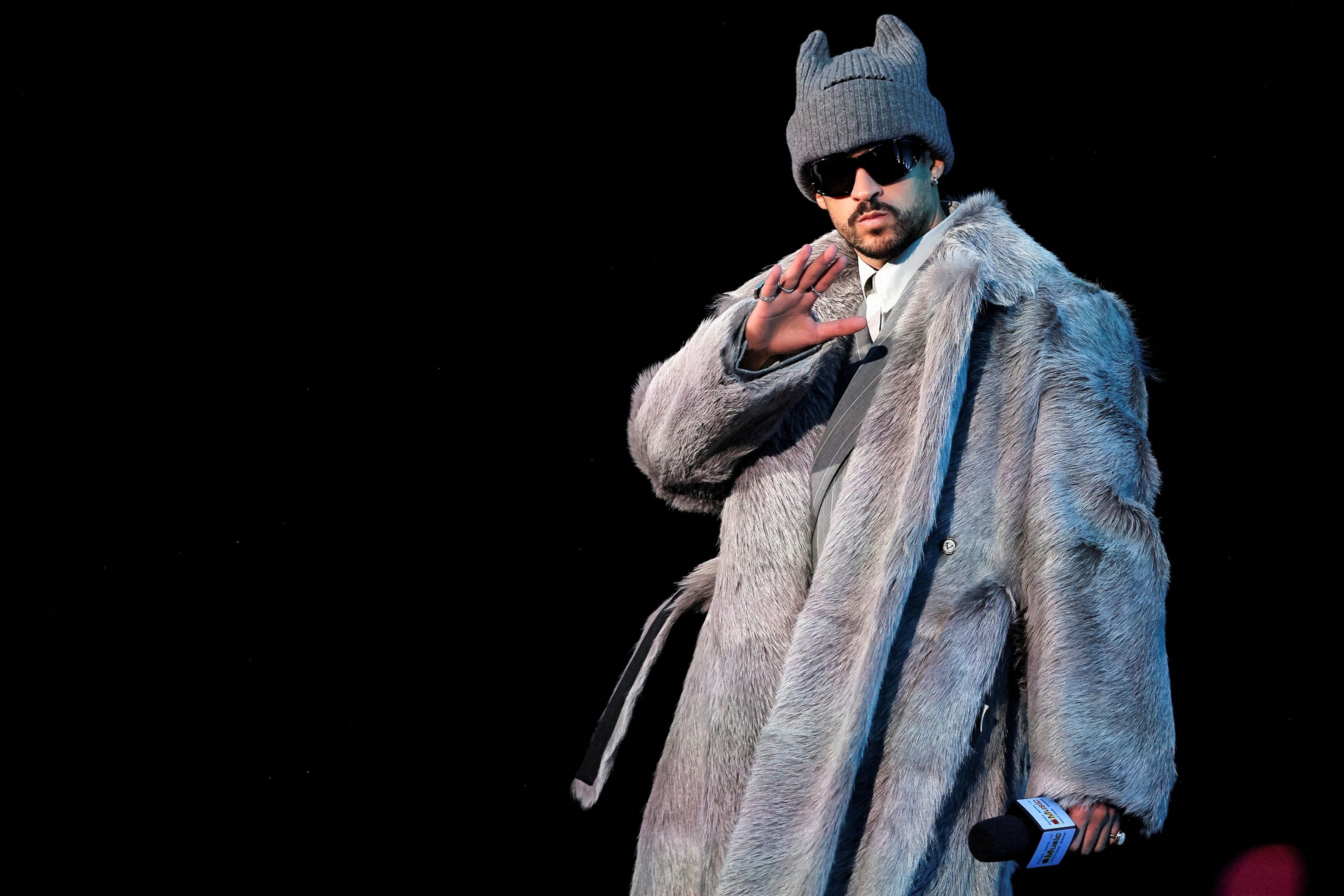
Bad Bunny, whose real name is Benito Antonio Martínez Ocasio, has been outspoken on social and political issues, including immigration reform, Latino identity, and U.S. policy toward Puerto Rico and Latin America. His global popularity and influence among younger audiences have made him one of the most powerful cultural voices of his generation—but also a polarizing figure in U.S. political discourse.

NFL officials have so far avoided directly addressing the political criticism, emphasizing that the league’s entertainment choices are based on cultural impact, global reach, and fan engagement. However, insiders say the intensity of the backlash has caught league executives off guard, raising concerns about sponsor reactions, viewership polarization, and the long-term implications of blending entertainment with politics.
Political analysts note that the controversy reflects broader tensions in American society over immigration, cultural identity, and the role of major institutions in political debates. “The NFL sits at the intersection of sports, culture, and politics,” said one media analyst. “Any decision at that scale inevitably becomes a political statement, whether intended or not.”
As the debate intensifies, questions remain about how the NFL will respond to the ultimatum, whether Bad Bunny will address the controversy publicly, and how fans and sponsors will react in the days leading up to the event. What began as a performance announcement has rapidly evolved into a national political flashpoint—one that could redefine how the league navigates culture, politics, and entertainment in the future.