The Olympic medal is supposed to represent the ultimate triumph of an athlete’s career — a symbol of years of sacrifice, pain, and glory. But for several champions at the Winter Games, that moment of pride has quickly turned into shock, embarrassment, and growing controversy.

Multiple athletes have reported that their medals cracked, chipped, or even detached from their ribbons shortly after the awards ceremonies, igniting a fierce debate about manufacturing standards and organizational oversight. One alpine skiing champion revealed that her medal slipped off and hit the ground during celebrations, leaving it visibly cracked in front of cameras and fans.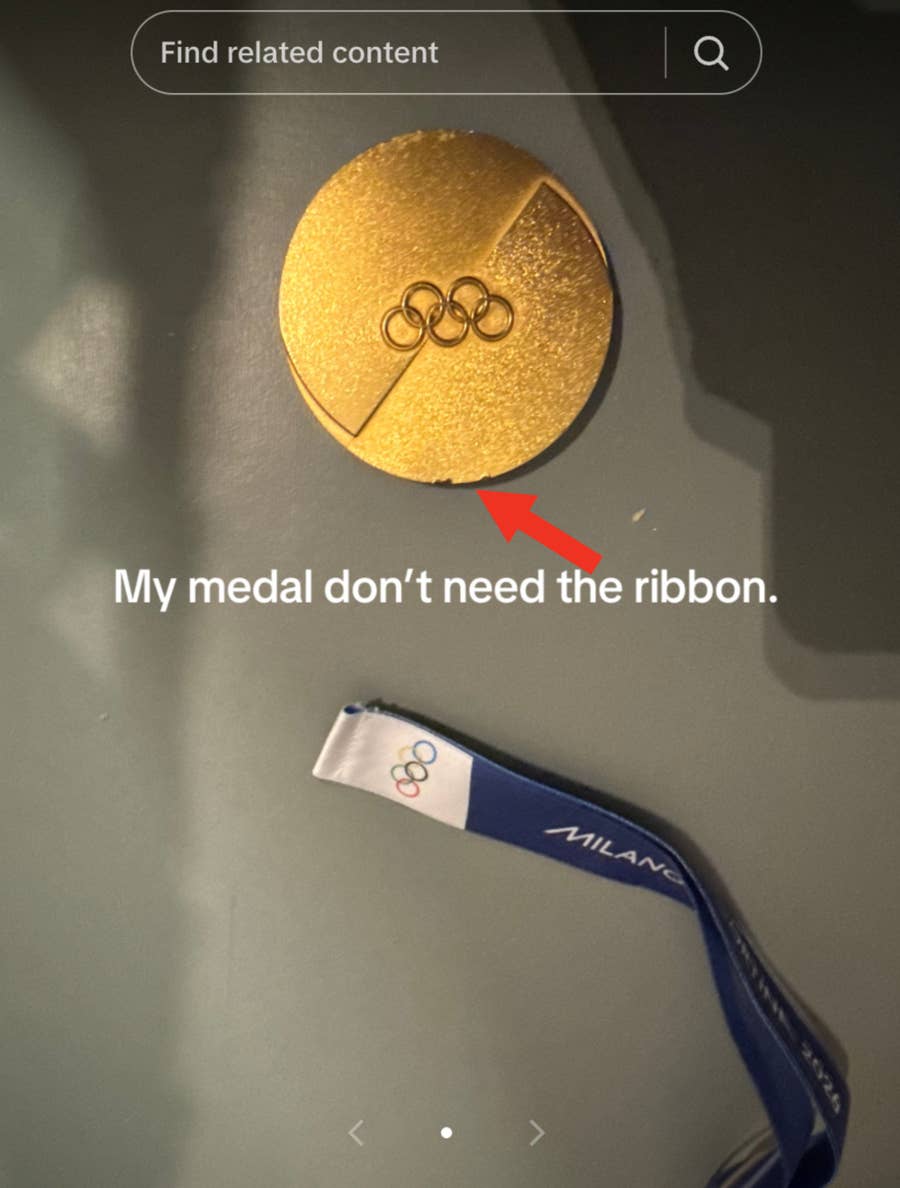
The incidents were not isolated. Cross-country skiers, biathlon athletes, and figure skaters have shared similar experiences, with some medals reportedly splitting or detaching from their straps entirely. The wave of complaints has sparked widespread criticism, with observers questioning how such failures could occur in an event that prides itself on excellence and prestige.
Organizers acknowledged the issue and said they are investigating potential causes, including safety mechanisms in the ribbon design intended to release under heavy force. However, the explanation has done little to calm critics, who argue that Olympic medals should be engineered to withstand celebration — not collapse during it.
This controversy also follows past complaints about medal durability at previous Games, raising broader concerns about whether the symbolic value of Olympic awards is being undermined by cost-cutting or production shortcuts. For many athletes, what should have been a lifelong keepsake has become an unexpected source of frustration — and a public relations headache for the organizers.