NEW YORK — Several NFL teams have reportedly raised concerns with the league office over Tom Brady’s growing presence in football-related meetings and media circles, urging the NFL to consider restricting his access to other teams’ strategic sessions amid fears of conflicts of interest and competitive integrity risks.

According to league sources, rival organizations are uneasy about Brady’s unique dual role as a high-profile broadcaster and an influential figure connected to the Las Vegas Raiders. The complaints allegedly center on two key concerns: the potential for sensitive tactical information to reach a rival organization and the possibility that Brady could use insider knowledge to shape commentary and criticism on national broadcasts.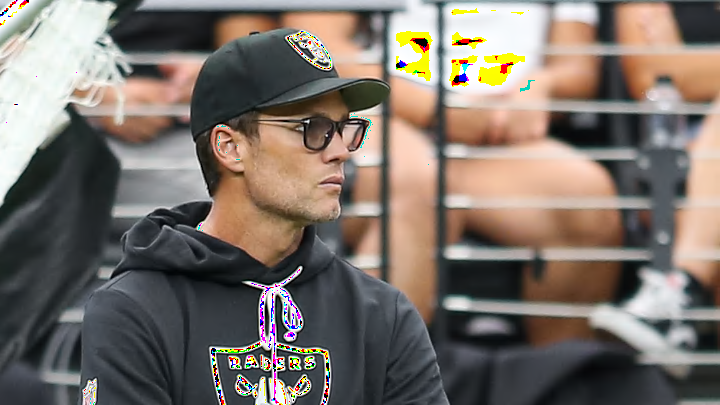
Brady, the seven-time Super Bowl champion widely regarded as the greatest quarterback in NFL history, has transitioned into a powerful media and ownership-adjacent role since retiring. His unprecedented access across teams, coaches, and players has sparked debate over where the line should be drawn between media presence and competitive boundaries.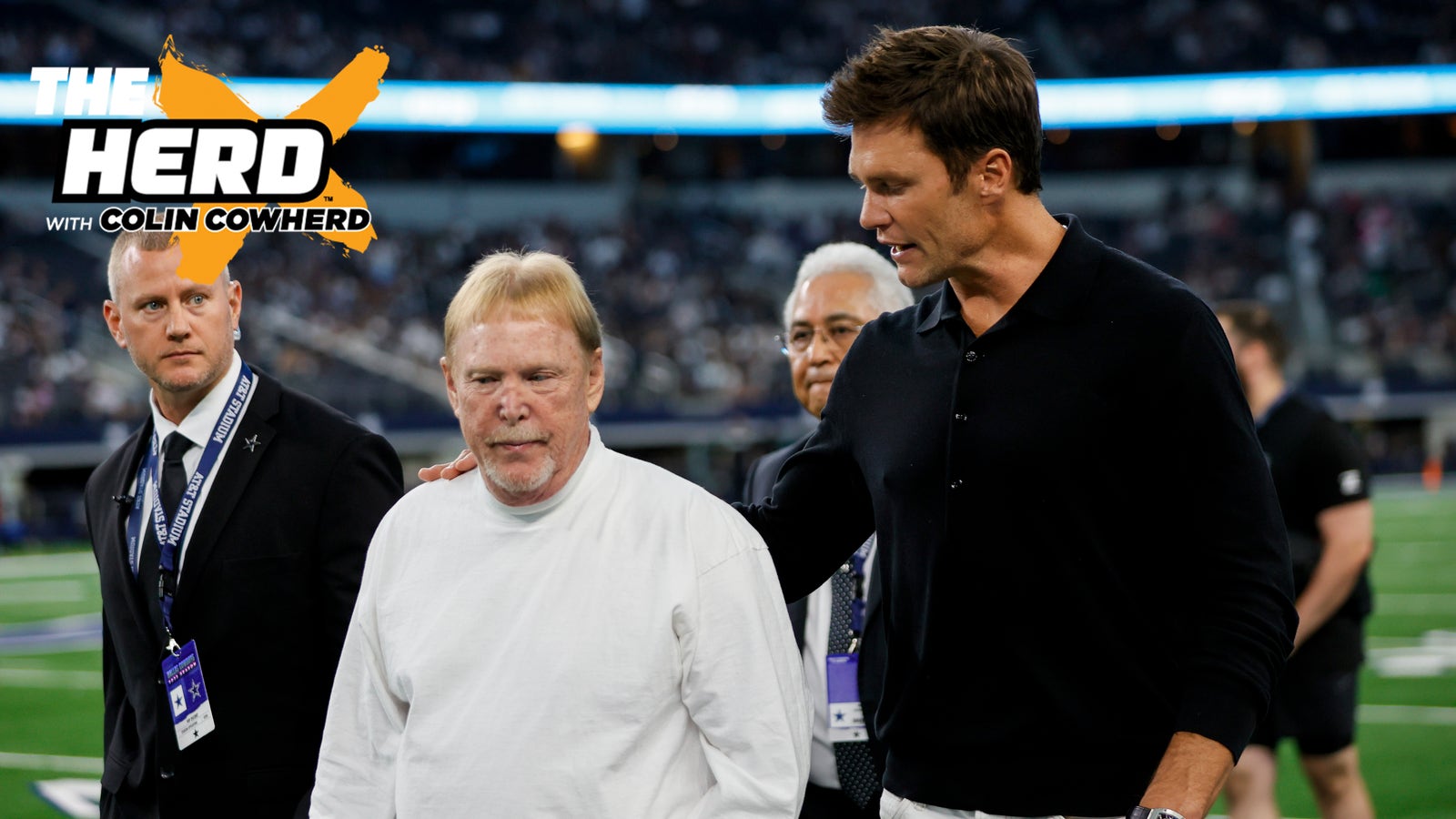
Team executives privately argue that even the perception of information leakage could undermine trust among coaching staffs, particularly during film sessions, strategy meetings, and offseason installations where proprietary schemes are discussed. Others have raised concerns that insider knowledge could create an uneven media narrative, potentially influencing public perception of players and coaches.
The NFL has not publicly acknowledged any formal complaints and declined to comment on internal governance discussions. Legal and governance experts note that the league has long grappled with conflicts of interest involving broadcasters, consultants, and owners—but Brady’s stature and access represent a new and highly visible test case.
Brady has not responded to the reported concerns. Those familiar with his media role insist he adheres to strict professional standards and would not misuse confidential information. Still, critics argue that the optics alone could prompt the league to clarify rules around access, confidentiality, and broadcaster participation in team operations.
If the complaints escalate, the situation could trigger new league-wide policies governing former players who transition into media or advisory roles—potentially reshaping how NFL legends interact with teams after retirement.
For now, the controversy underscores a broader question facing the modern NFL: when icons become insiders, analysts, and power brokers all at once, where does transparency end—and competitive secrecy begin?