What began as a routine investigation into a minor burglary at a quiet bar in the Bahamas quickly spiraled into one of the most disturbing alleged murder-for-hire cases in recent memory — a case that reads less like reality and more like a meticulously crafted thriller.

Authorities were initially following up on a seemingly insignificant theft. But as they examined evidence linked to the incident, including a suspect’s phone, they stumbled upon something far more alarming: a series of messages that would ultimately expose an alleged plot to kill a wealthy American businessman.

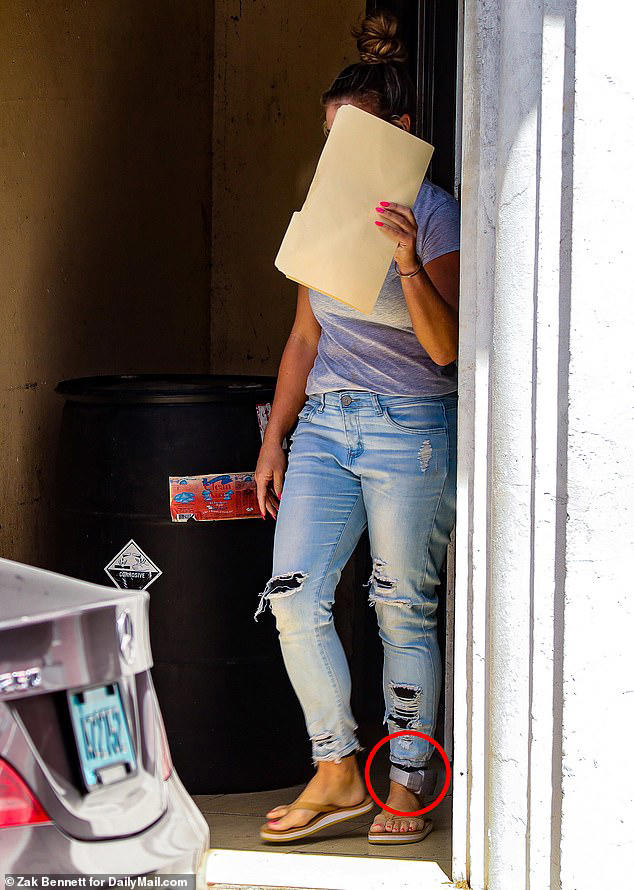
At the center of the case was Lindsay Shiver, a former beauty queen from Georgia, whose life outwardly reflected stability, affluence, and social success. Beneath that surface, however, investigators allege a far more complex and troubling reality — one involving a deteriorating marriage, an extramarital relationship, and a plan that prosecutors say escalated into a conspiracy to commit murder.
A Plot Hidden in Plain Sight
According to court documents, the alleged target was her husband, Robert Shiver, a former college football player and insurance executive. The couple, once seen as picture-perfect, had reportedly entered a contentious divorce marked by accusations on both sides.
Investigators say the plot involved multiple individuals, including Shiver’s alleged romantic partner, Terrance Bethel, and a third man believed to have been recruited to carry out the killing.
The most chilling detail to emerge from the investigation was a brief but unmistakable message recovered from WhatsApp: “Kill him.”
That message, authorities say, became a critical piece of evidence — one that transformed a minor theft inquiry into a full-scale criminal case.
The Moment Everything Collapsed
Ironically, investigators believe the plan may have gone undetected — and possibly carried out — had it not been for the unrelated bar theft.
It was during that burglary investigation that police obtained access to a suspect’s phone, leading them directly to the alleged conspiracy.
What appeared to be a random, low-level crime effectively unraveled a far more serious plot, exposing communications, connections, and intentions that might otherwise have remained hidden.
Law enforcement officials and analysts have since pointed to the case as a stark example of how seemingly minor incidents can uncover major criminal activity — and how digital evidence can change the trajectory of an investigation in an instant.
A Double Life Under Scrutiny
As details emerged, the case quickly drew international attention, fueled by its striking contrasts: luxury and violence, family life and alleged betrayal, public image and private conflict.
Reports suggest that Shiver had been living what some described as a “double life,” maintaining appearances while navigating personal turmoil behind the scenes.
Meanwhile, her husband had reportedly grown suspicious, even hiring a private investigator prior to the alleged plot being uncovered — a move that now appears, in retrospect, eerily prescient.
A Case Still Echoing Beyond the Headlines
All three individuals accused in connection with the alleged conspiracy have faced legal proceedings in the Bahamas, with the case continuing to develop amid intense public and media scrutiny.
Yet beyond the legal complexities, the story raises broader questions about how quickly personal relationships can fracture — and how close this alleged plan may have come to being executed.
In the end, what stands out most is not just the alleged crime itself, but the extraordinary way it was uncovered.
A minor theft. A phone search. A two-word message.
And a plot that, according to investigators, might have remained invisible — if not for one unexpected break in an otherwise ordinary case.