The enduring success of Stranger Things lies not only in its pitch-perfect 80s nostalgia and thrilling horror elements but in the almost supernatural ability of creators Matt and Ross Duffer—the Duffer Brothers—to weave a narrative tapestry so dense with clues, references, and prophecies that the show itself feels like a living, breathing Dungeons & Dragons campaign. They are not merely storytellers; they are master foreshadowers, ensuring that no detail is accidental and every twist feels earned.

The Power of the Retcon and the Long Game
What distinguishes the Duffer Brothers is their capacity to take seemingly accidental details or character moments and retcon them—not through lazy rewriting, but through the deliberate creation of a comprehensive lore that makes past “mistakes” look like genius groundwork.
Take the example of Vecna’s origin being hinted at through the opening of a door lock in Season 1. While the Duffer Brothers later admitted the Demogorgon was originally intended to be telekinetic, they seamlessly integrated the subsequent discovery of Henry Creel/One (Vecna) into that very moment. By confirming that Vecna was observing and acting in the shadows from the beginning, they transformed a minor plot hole into a major reveal, asserting their long-game control over the narrative. 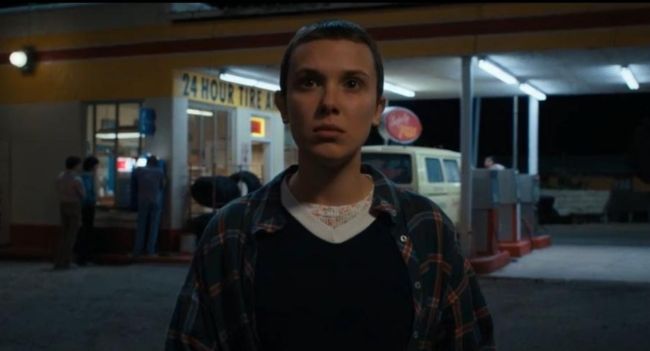
D&D: The Literal Blueprint for Destiny
The most brilliant tool in the Duffers’ foreshadowing arsenal is Dungeons & Dragons. The game provides a meta-commentary and often serves as a literal blueprint for the supernatural events in Hawkins:
-
The Monsters: The names Demogorgon, Mind Flayer, and Vecna were not randomly chosen; they described the nature, hierarchy, and power of the threats long before the characters fully understood them.
-
The Powers: The recent fan theories regarding Will Byers‘ potential as an ‘Aberrant Mind Sorcerer’—a class that uses Charisma (Willpower) rather than Intelligence to cast spells—directly align with the show’s focus on his emotional journey. The D&D terminology provides the technical language for the fantastical abilities, making the rules of the Upside Down feel established and logical.

The Subtle Hints That Became Canon
Beyond the overarching lore, the Duffer Brothers excel at using subtle, visual, and dialogue cues that pay off seasons later:
-
Bob Newbie’s Sacrifice (Season 2): Bob, who was an expert at solving riddles and navigating maps, was ultimately killed by a Demogorgon while navigating a physical maze in the Hawkins Lab—a cruel twist that ironically negated his biggest strength.
-
Steve’s Transformation: Steve Harrington’s eventual role as the protective “Mom” was subtly foreshadowed when he first wielded a nail-studded baseball bat to defend the kids in Season 1. It was the first sign of his protective instinct, long before he embraced the role full-time.

-
Will’s Drawing: Will’s drawing of the monster in Season 2 wasn’t just a child’s imagination; it was a near-perfect rendering of the Mind Flayer, confirming his psychic connection was indeed prophetic and visual.
Ultimately, the Duffer Brothers operate on a level of narrative density rarely seen in episodic television. They have successfully trained their audience to treat every character’s line, every poster, and every nostalgic movie reference as a potential clue. Their mastery of foreshadowing doesn’t just make the twists surprising; it makes them inevitable, turning Stranger Things into a rich, rewarding puzzle box where the answer was often hidden in plain sight all along.