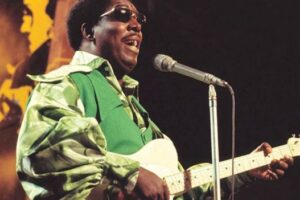
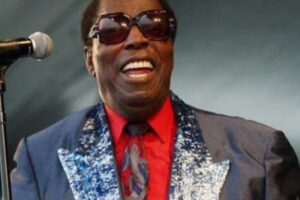
The heartbreaking news of Clarence Carter’s death did not first emerge from a hospital spokesperson, family statement, or major media network.
Instead, it came from the very place where his legendary voice once echoed through recording booths that changed American music forever.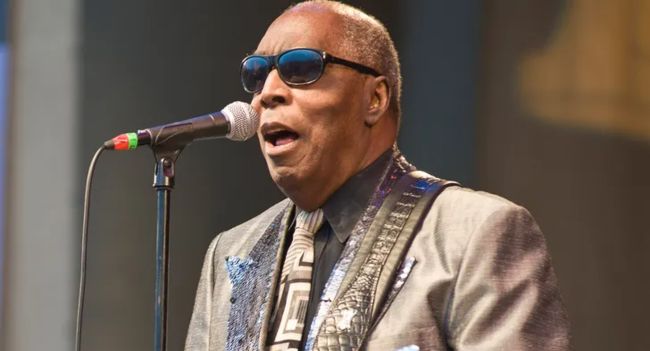
Rodney Hall — president of the iconic FAME Studios in Muscle Shoals, Alabama — was the first person to publicly confirm that Clarence Carter had died at the age of 90, sending shockwaves through the soul music community and instantly triggering an emotional wave of tributes across the country.
For longtime fans of Southern soul, the symbolism felt almost painfully poetic.
Because FAME Studios was not just another recording location in Carter’s career.
It was the place where much of his musical identity was forged.
The historic Muscle Shoals studio helped shape some of Carter’s most unforgettable hits during the explosive rise of Southern soul music in the 1960s and 1970s, turning his raw, emotionally bruised voice into one of the defining sounds of an entire generation. Songs like “Slip Away,” “Too Weak to Fight,” and “Patches” became deeply tied to the Muscle Shoals sound — a style built on emotional honesty, gospel influence, blues grit, and haunting vulnerability.
And now, decades later, the studio that helped build that legacy became the place where the world first learned it had come to an end.
According to reports, Rodney Hall confirmed Carter’s passing after the singer quietly battled a series of severe health complications, including stage 4 prostate cancer, pneumonia, and sepsis in recent months. Hall’s announcement quickly spread across entertainment media and social platforms, with fans describing the moment as “the closing of a soul music chapter.”
For those familiar with Muscle Shoals history, Hall’s role carried even deeper emotional weight.
Rodney Hall is the son of legendary producer Rick Hall — the founder of FAME Studios and one of the most influential figures in American recording history. Rick Hall famously helped launch and shape the careers of countless artists including Aretha Franklin, Wilson Pickett, Etta James, and Clarence Carter himself. In many ways, Carter’s career remained spiritually connected to the Hall family and the studio long after his peak chart success faded.
That connection is part of why Hall’s confirmation struck such a nerve online.
Fans flooded social media with old footage from FAME recording sessions, vintage interviews, and live performances, many reflecting on how deeply Carter’s music became intertwined with the emotional identity of Muscle Shoals itself. Some described his voice as “the sound of heartbreak coming through old speakers at midnight.”
Others pointed out the almost cinematic irony that the man announcing Carter’s death represented the same musical institution that first amplified his voice to the world.
Even younger audiences unfamiliar with Carter’s classic soul catalog began rediscovering his legacy Thursday through viral clips and tributes online. While many initially recognized him from the provocative cult hit “Strokin’,” deeper dives into his earlier recordings revealed a far more emotionally devastating artist underneath the humor and swagger.
Behind the headlines surrounding his death, however, another detail is now beginning to quietly circulate among longtime music insiders.
Several people connected to the Muscle Shoals recording scene claim Carter maintained an unusually private relationship with FAME Studios in his later years, occasionally revisiting old recordings and discussing unfinished material tied to deeply personal memories from his past.
And according to whispers now emerging from people close to the studio, there may still be unheard Clarence Carter recordings sitting somewhere inside the FAME archives — recordings some insiders believe were never released because Carter considered them “too personal” for the public to hear.