Rapper Drake’s reputation as one of sports betting’s most infamous high-stakes gamblers took another hit after he reportedly lost $1 million wagering on the New England Patriots in the Super Bowl, reigniting the internet’s long-running obsession with the so-called “Drake Curse.”

The Canadian superstar, known for placing massive bets on major sporting events, publicly backed the Patriots ahead of the game—only to watch the team fall short on football’s biggest stage. Within minutes of the final whistle, social media exploded with memes, jokes, and renewed claims that Drake’s endorsements somehow doom the teams he supports.
British tabloid Daily Mail was quick to mock the outcome, suggesting that the “Drake Curse” shows no sign of slowing down, as another high-profile prediction collapsed in spectacular fashion. Sports fans and commentators piled on, noting that Drake has previously suffered headline-grabbing losses backing teams in soccer, basketball, and boxing.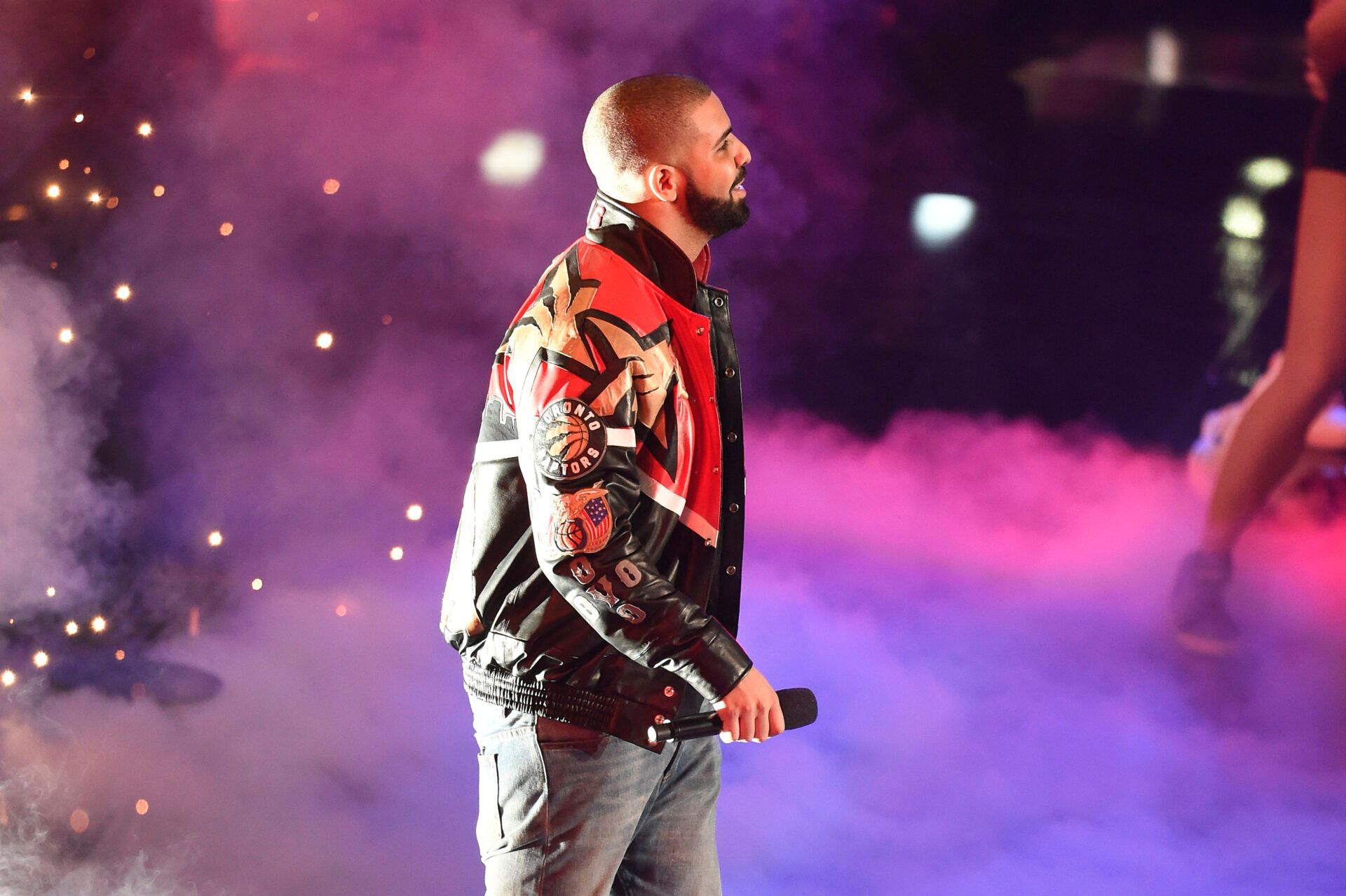
Despite the superstition, Drake’s betting habits reflect a broader trend among celebrities who publicly embrace high-stakes wagering as both entertainment and branding. His posts often go viral, drawing attention not only to the games themselves but also to the growing intersection of sports, gambling culture, and celebrity influence.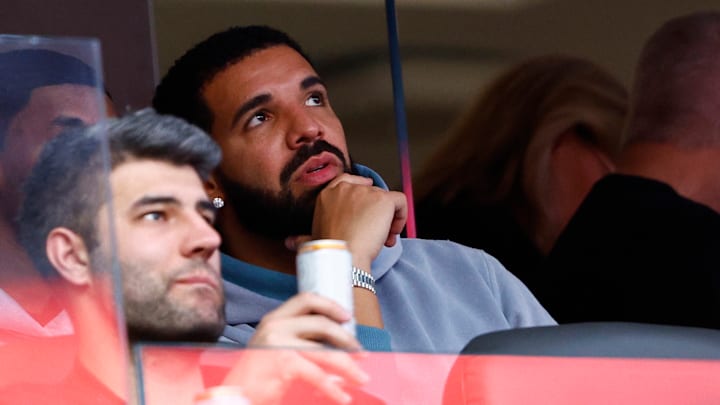
While Drake has not publicly reacted to the latest loss, the incident has already become one of the most discussed off-field narratives of Super Bowl week—blurring the line between superstition, marketing, and modern fandom.
As the memes continue and betting slips circulate online, one question lingers in sports circles: Is the “Drake Curse” just a running joke—or has it become one of the most persistent myths in modern sports culture?