NFL stadiums are among the most tightly controlled environments in professional sports. From ticket verification to backstage credentials, access is designed to be deliberate, documented, and difficult to manipulate. Which is why one lingering question continues to unsettle both fans and insiders alike: who actually bought the ticket, extended the invitation, and opened the door for Ava Louise to move beyond the stands and into restricted NFL spaces?

Publicly, the league has emphasized stricter regulations — tighter dress codes, filming rules, and influencer access policies. Privately, however, industry observers acknowledge that access has evolved. VIP tickets, sponsor allocations, and “guest of guest” credentials create gray zones where names don’t always appear on public lists. In those gaps, visibility can be negotiated quietly, especially when online reach promises instant attention.
Sources familiar with event operations suggest that invitations do not always come directly from teams. Corporate partners, third-party marketers, private suite holders, and even independent promoters can extend access without triggering immediate scrutiny. Once inside, movement between public and semi-private areas becomes easier than many fans realize — particularly for those who understand how to blend visibility with plausible deniability.
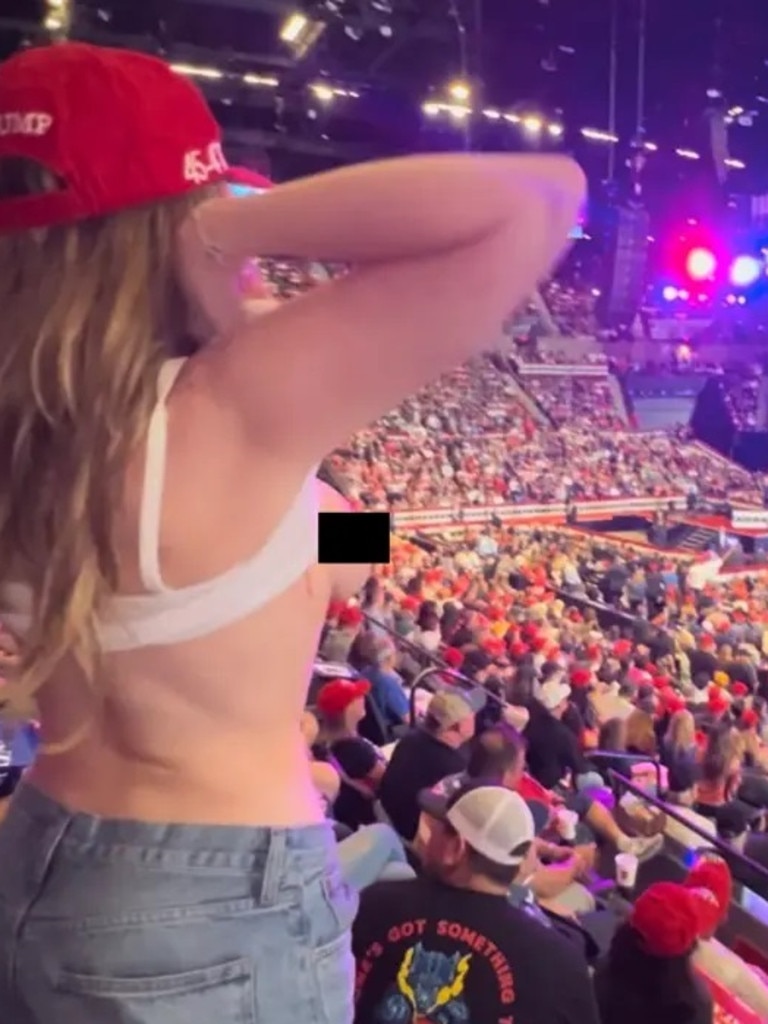
What makes the Ava Louise situation especially controversial is not her presence alone, but the silence surrounding who facilitated it. No individual has stepped forward. No organization has claimed responsibility. And yet, the logistics point to planning rather than coincidence. As one veteran event coordinator noted, “You don’t accidentally end up backstage in an NFL venue.”
As the league continues to project an image of discipline and family-friendly tradition, this unanswered question exposes a deeper tension: has attention itself become a currency powerful enough to bypass rules meant to protect the sport’s image? Until someone claims the invitation, the story remains suspended between policy and practice — and the truth stays just out of reach.