In the age of screenshots and instant virality, a single image can ignite a scandal before facts have time to surface. Over the past year, several leaked direct messages — claimed to be from NFL players — have circulated across social media after being shared by online creators, including OnlyFans personalities. The names, however, are rarely confirmed. And that uncertainty is precisely what makes the controversy so volatile.
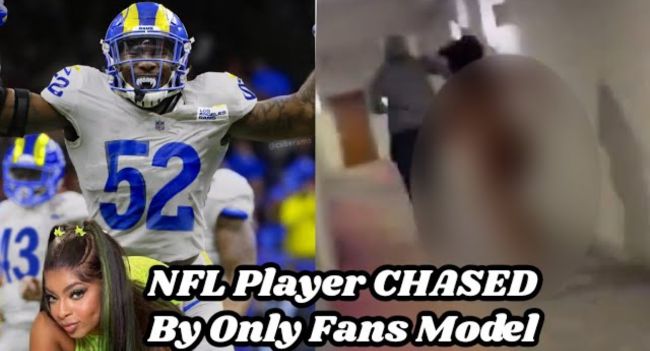
In most cases, the screenshots follow a familiar pattern: a cropped profile photo, a verified-style username, flirtatious language, and just enough context to spark speculation. The alleged senders are never tagged directly. No full timelines are shown. Faces, names, and team logos remain conveniently out of frame. Yet within hours, fan forums and gossip pages begin connecting dots — often naming players who have never publicly acknowledged the messages.
Legal experts note that this gray zone is intentional. Publishing partial evidence creates plausible deniability on both sides. The poster avoids direct accusation, while the alleged sender avoids direct response. For NFL players, engaging can amplify the story. Staying silent allows the rumor to burn out — or morph into something else entirely.
Teams and the league itself have declined to comment on most of these incidents, citing privacy and the absence of verified proof. Behind the scenes, however, media advisors warn players that digital interactions — even private ones — are increasingly vulnerable to exposure, whether authentic, edited, or misrepresented.
What remains unresolved is the central question fans keep asking: who are the messages really from — and why does no one ever confirm it? Until a case moves beyond screenshots and into sworn statements, the truth stays trapped between implication and imagination. In today’s attention economy, sometimes the mystery does more damage than a name ever could.