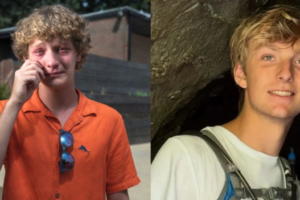
SEPARATED IN THE DARKNESS: Mystery Deepens After One Italian Diver Was Found Alone Near The Entrance Of Maldives “Shark Cave” While The Other Four Were Discovered Trapped Together In A Remote Chamber After Running Out Of Air During A Dive That Has Become The Deadliest Underwater Disaster In Maldivian History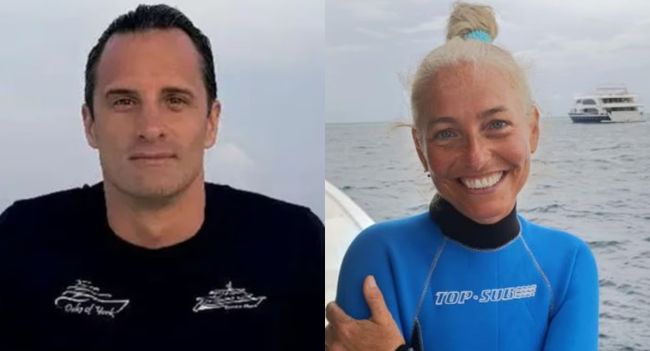
The deeper investigators descend into the Maldives cave-diving tragedy, the more disturbing the story becomes.
What first appeared to be a catastrophic diving accident involving five experienced Italian divers has now evolved into an international mystery filled with unanswered questions, conflicting theories, and one chilling detail rescuers cannot explain: why was one diver found completely separated from the rest of the group deep beneath the ocean floor?
Authorities say the bodies of four missing Italian divers were finally located inside the infamous Thinwana Kandu underwater cave system — known by divers as the “Shark Cave” — nearly four days after they vanished during a scuba expedition on May 14. But while the four victims were discovered grouped together inside the cave’s deepest chamber, their diving instructor, Gianluca Benedetti, had already been recovered earlier near the cave entrance.
That separation is now at the center of the investigation.
Because according to rescue experts, it may reveal what happened during the group’s terrifying final moments underwater.
The divers — Monica Montefalcone, her daughter Giorgia Sommacal, Muriel Oddenino, Federico Gualtieri, and instructor Gianluca Benedetti — were part of a scientific diving trip linked to the University of Genoa when disaster struck beneath the waters of Vaavu Atoll. Authorities later confirmed the group descended to around 50 meters, far beyond the Maldives’ legal recreational diving limit of 30 meters.
But experts say depth alone does not explain the horrifying outcome.
Inside the cave system, conditions become extremely dangerous within minutes. Visibility can collapse instantly. Strong currents can separate divers. One wrong turn can leave even elite professionals trapped inside submerged chambers with no direct route back to the surface.
And according to reports from the recovery mission, the cave itself was far worse than many imagined.
The underwater labyrinth reportedly stretches hundreds of feet through narrow rock corridors divided into multiple chambers. The four missing Italians were eventually found inside the third and most remote section of the cave after elite Finnish cave divers carried out a high-risk recovery operation using advanced rebreather equipment designed for deep technical dives.
But Benedetti was not with them.
His body was discovered separately near the mouth of the cave at a depth of approximately 60 meters, triggering speculation that he may have attempted to escape, return for help, or guide the others back out before something went catastrophically wrong.
One emerging theory suggests the instructor may have become separated while trying to manage an emergency deeper inside the cave — possibly involving oxygen depletion, panic, or a navigational failure.
Another theory focuses on air supply.
Rescue officials reportedly believe the four divers found deeper inside the cave may have ultimately run out of breathable gas after becoming trapped in the innermost chamber. Some divers following the case online speculate the group may have attempted to share air during the final moments of the dive, which could explain why the bodies were found close together.
Others fear something even more sudden occurred.
Technical diving experts noted that descending to those depths using recreational-style configurations could expose divers to oxygen toxicity, nitrogen narcosis, or catastrophic decompression complications. Any one of those conditions could impair judgment within seconds — especially inside a confined underwater cave.
Then the recovery operation itself turned deadly.
Maldivian military diver Mohamed Mahudhee died during an attempt to recover the missing Italians after reportedly suffering decompression sickness. His former supervisor later claimed Mahudhee lacked formal cave-diving training and had entered the dangerous cave environment breathing compressed air rather than the specialized trimix normally required for extreme depths.
That revelation sparked outrage within parts of the international diving community.
Critics questioned whether the original expedition had been properly planned at all. Authorities have since suspended the operating license of the dive vessel involved while investigators review permits, equipment logs, and dive protocols. Officials say the group’s paperwork allegedly mentioned coral research but did not clearly disclose plans for technical cave diving.
Meanwhile, online discussions continue exploding with theories.
Some divers believe sudden weather shifts or underwater currents may have separated Benedetti from the others. Others suspect the group became trapped after visibility vanished inside the cave. A few even speculate that one diver may have encountered trouble first, forcing the others deeper into the system during a desperate rescue attempt.
But one detail continues haunting recovery teams more than any other.
According to divers involved in the operation, the four victims were discovered together deep inside the final chamber — while their instructor remained alone near the exit.
And investigators are now quietly examining whether those two separate locations may tell the story of a final underwater decision made in darkness… moments before all hope disappeared.