One of the most unsettling ideas emerging as Stranger Things approaches its final chapters is the possibility that death in the Upside Down does not function the way we understand it. Instead of ending life, the Upside Down may preserve it — absorbing people into itself as fragments of memory, emotion, and identity.
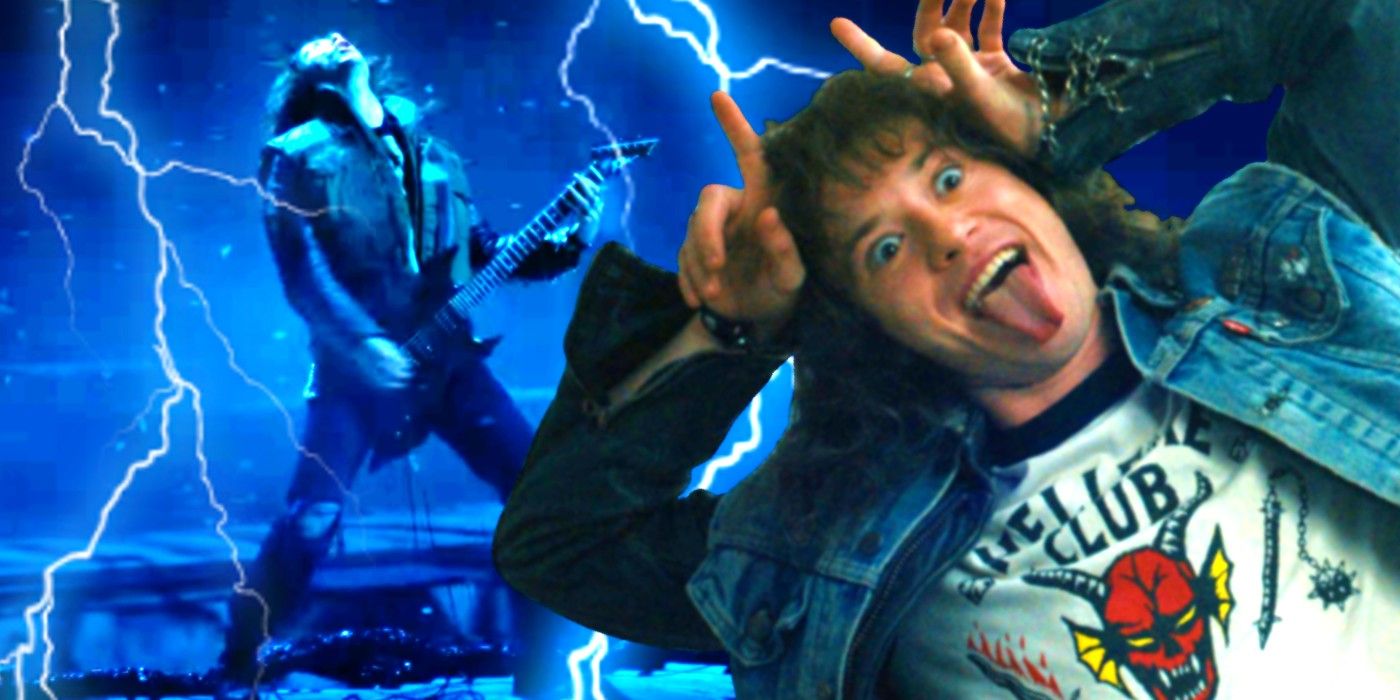
The theory begins with a simple but troubling observation. Eddie Munson died entirely within the Upside Down, his final stand unfolding inside that corrupted dimension. Billy Hargrove, meanwhile, died in the real world — but only after forming a deep mental and emotional connection with the Upside Down through the Mind Flayer’s possession. In both cases, their deaths were not ordinary. They were entangled with the realm itself.
And yet, something is missing.

There is no clear evidence that Billy’s body ever existed in the Upside Down, and Eddie’s fate was never followed beyond the moment of his death. The series has been deliberate about what it shows — and what it chooses to withhold. In a world where nothing is accidental, that absence feels intentional.
The Upside Down has repeatedly been portrayed not as a place of destruction, but of accumulation. It mirrors Hawkins. It freezes moments in time. It absorbs memories, fear, and consciousness into a larger collective system tied to the Mind Flayer. If this dimension preserves what it consumes, then death inside it may not mean erasure — it may mean assimilation.
Under this interpretation, Eddie and Billy were not eliminated. They were absorbed.
What remains of them would not be life in the traditional sense, but something far more disturbing: remnants. Echoes of human beings locked into the collective mind of the Upside Down, existing as frozen impressions of who they were at the moment they were claimed. Not alive. Not gone. Simply… stored.

This concept becomes even more chilling when considered alongside Vecna’s weakening control. If Vecna’s influence continues to fracture in Volume 2, the Upside Down itself may begin to destabilize. And when systems lose control, what they contain often surfaces.
That does not mean resurrection. It means confrontation.
The return of Billy or Eddie — even as distorted reflections — would force the characters to face the true cost of the war they’ve been fighting. It would confirm that the Upside Down does not forget. It collects. It keeps.
If this theory proves true, Stranger Things is not building toward a simple victory over evil. It is building toward a revelation: that some worlds do not kill their victims — they preserve them forever, as part of something that was never meant to let go.