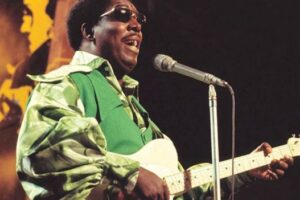
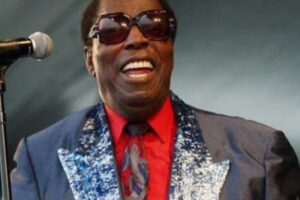
The world of soul music is mourning the loss of one of its most unmistakable voices after legendary singer-songwriter Clarence Carter died at the age of 90 following a series of severe health complications.
And for longtime fans of classic Southern soul, the news feels like the end of an era.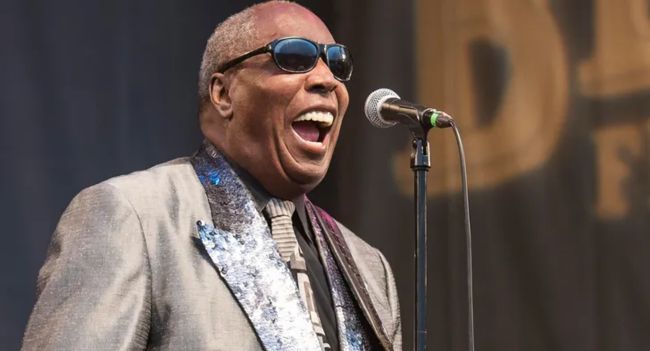
According to reports confirmed Thursday, Carter passed away peacefully after recently battling stage 4 prostate cancer alongside pneumonia and sepsis. His death was confirmed by Rodney Hall, president of Alabama’s iconic FAME Studios, where many of Carter’s most legendary recordings were created during the height of the Muscle Shoals soul explosion.
For more than six decades, Carter’s gritty voice, raw storytelling, and emotionally charged performances helped define American R&B and Southern soul music.
Born blind in Montgomery, Alabama in 1936, Carter overcame extraordinary obstacles long before becoming one of the most recognizable voices of the late 1960s and 1970s. Friends and historians often described him as fiercely independent from an early age, teaching himself music while refusing to let blindness define the trajectory of his life or career.
His breakthrough came after the breakup of his early duo Clarence & Calvin, when Carter launched a solo career that rapidly transformed him into a major force in soul music. Hits like “Slip Away,” “Too Weak to Fight,” and “Back Door Santa” cemented his reputation for emotionally direct songwriting mixed with gritty Southern instrumentation. But it was the heartbreaking 1970 ballad “Patches” that elevated him into international stardom. The song earned Carter a Grammy nomination and became one of the defining soul records of its era.
Then came “Strokin’.”
Decades after his early soul classics, Carter experienced an entirely different wave of fame thanks to the wildly provocative track, which became a cult phenomenon across radio, comedy shows, college campuses, and pop culture. The song’s outrageous energy introduced Carter to younger audiences who may never have known the emotional vulnerability of his earlier work.
Yet behind the humor and swagger, Carter remained deeply respected inside the music industry.
Artists, musicians, and producers frequently praised his ability to balance pain, sensuality, humor, and honesty in ways few soul singers ever achieved. His recordings helped shape the sound associated with FAME Studios and the broader Muscle Shoals movement, influencing generations of R&B, blues, funk, and soul performers.
Even into his 80s, Carter reportedly continued touring, recording, and releasing music.
His final years were largely spent away from major headlines, though close friends said he remained passionate about performing and connecting with fans. Reports indicate he continued releasing new material as recently as 2024 despite worsening health issues.
News of his death immediately triggered emotional reactions online.
Fans flooded social media with clips of “Patches,” “Slip Away,” and “Strokin’,” while musicians across genres paid tribute to Carter’s unmistakable voice and resilience. Many younger listeners admitted they initially discovered Carter through comedic internet culture surrounding “Strokin’” before later realizing the extraordinary depth of his earlier soul catalog.
Others reflected on the remarkable symbolism of Carter’s life itself — a blind Black artist born in the segregated South who rose to become one of the defining voices of American soul music.
And now, as tributes continue pouring in from around the world, longtime fans are revisiting one haunting detail from Carter’s final years:
According to several people close to the singer, he allegedly spent part of his final months quietly revisiting old recordings and discussing one unreleased personal project he never completed — a mysterious collection of deeply autobiographical songs some insiders now claim may still exist somewhere inside the archives of FAME Studios.