There is a moment while watching the Season 5 Volume 2 trailer for Stranger Things when a quiet realization sets in.
This is no longer a coming-of-age adventure.
The color palette is darker. The pacing is heavier. The silence between scenes lingers longer than the dialogue itself. Even when nothing explicitly horrific is happening, the weight never lifts. The trailer doesn’t feel playful, nostalgic, or curious.
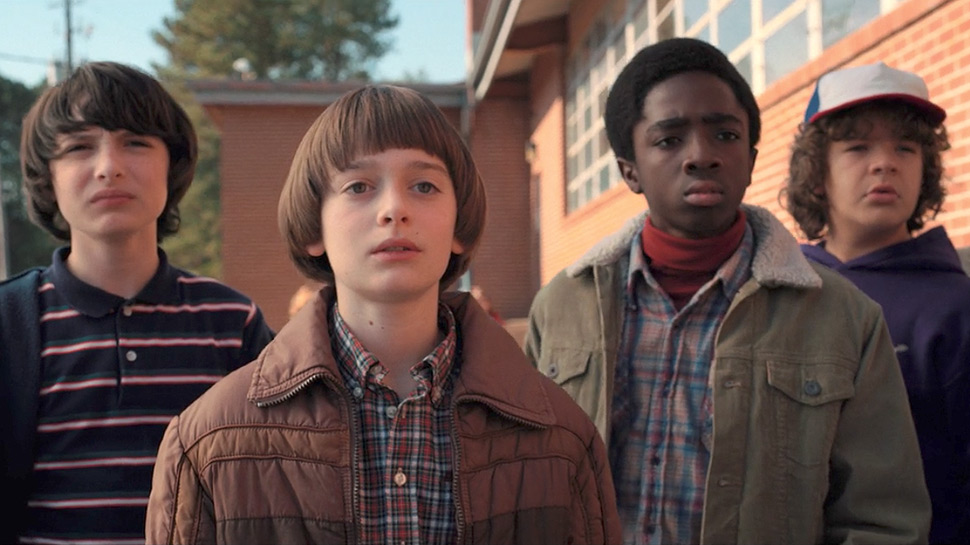
It feels tired. Wounded. Adult.
Fans immediately sensed the shift. Jokes spread quickly — half humor, half grief — summing it up in a single line: “Stranger Things is now Stranger Trauma.” The laughter lands because it’s painfully accurate.
What once balanced horror with childhood wonder has crossed a threshold. The bikes, the jokes, the bright mall lights — they’re gone. In their place is a story about consequences that never fully heal, about children who grew up too fast and can’t go back.

The trailer’s tone makes one thing unmistakably clear: innocence is no longer part of the narrative.
The characters don’t react like kids facing monsters. They react like adults facing inevitability. Their fear isn’t explosive — it’s contained, internalized, worn down by years of survival. The danger no longer feels like an interruption to life. It feels like the background of it.
Visually, the trailer reinforces this evolution. Shadows dominate. Scenes are dimly lit or obscured entirely. Even moments of connection feel strained, as if joy itself has become fragile. The show isn’t asking viewers to be scared anymore — it’s asking them to sit with dread.

That tonal maturity has divided fans emotionally, but not intellectually. Most agree this was inevitable. The audience grew up alongside the characters. The story followed. A lighthearted ending would feel dishonest after everything these characters have endured.
Still, that doesn’t make the transition easier to accept.
Calling it “not a kids’ show anymore” isn’t a critique — it’s a eulogy. A recognition that the series has outgrown the comfort it once offered. What remains is something rawer, sadder, and more reflective of real loss.
The trailer doesn’t promise fun. It promises closure — and possibly grief.
And if Stranger Things began as a story about childhood facing darkness, its final chapter appears ready to confront something far more difficult: what happens when the darkness follows you into adulthood, and never lets go.