What should have been a defining moment of celebration for dog handler Lee Cox quickly spiraled into controversy after reports resurfaced about a past conviction involving the mistreatment of a dog.

Cox had recently drawn international attention after guiding his Clumber spaniel, Bruin, to the coveted “Best in Show” title at the world-famous Crufts Dog Show in Birmingham, defeating roughly 18,000 competing dogs and earning one of the highest honors in the competitive dog-show world.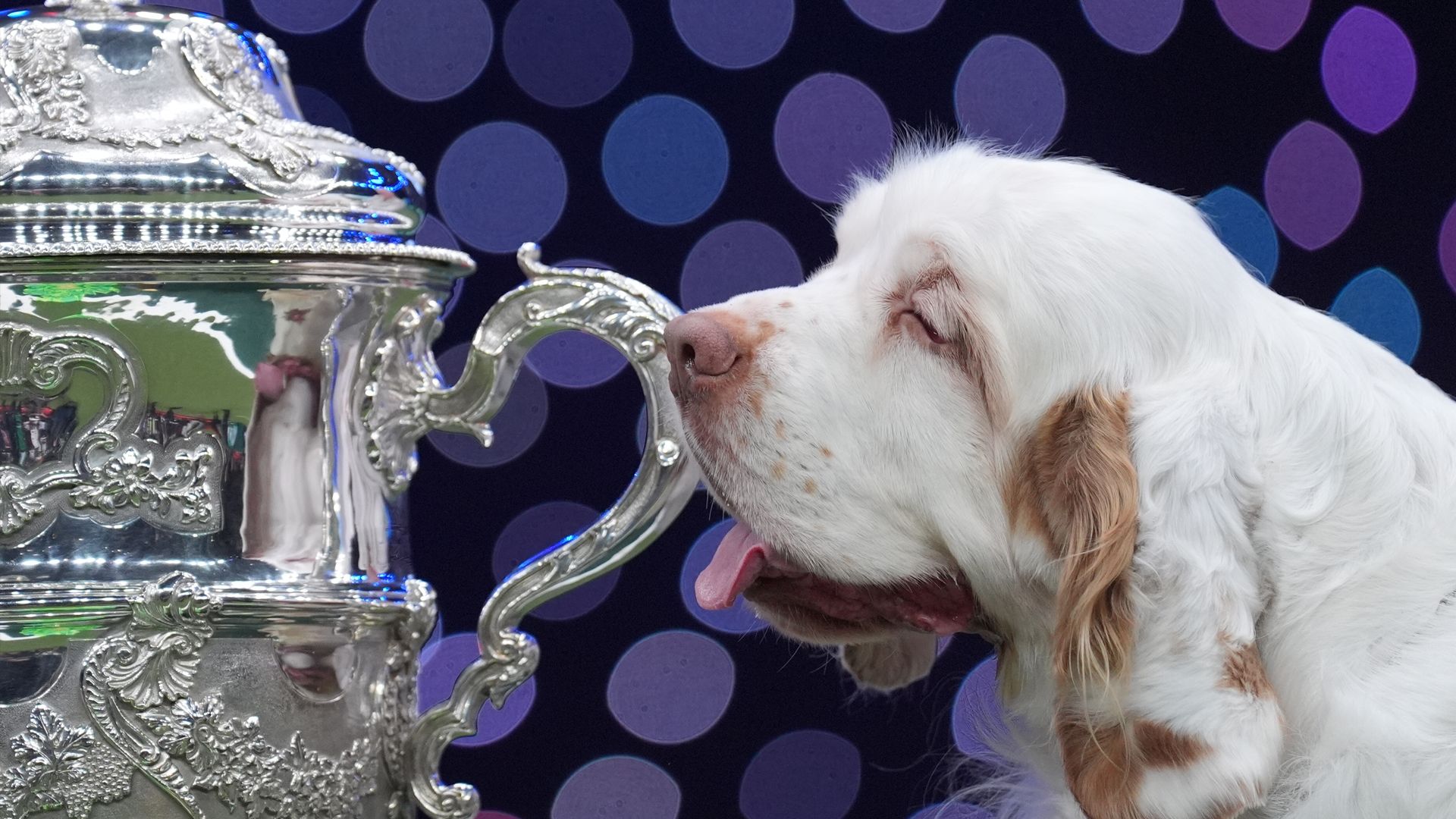
However, shortly after the victory, reports revealed that Cox had previously been convicted in 2001 of causing unnecessary suffering to a cocker spaniel named Adam. Court records from the time stated that the dog suffered from a severe untreated ear infection that ultimately required the removal of part of the ear.

The case, heard at Sedgemoor Magistrates’ Court, resulted in Cox receiving a three-year conditional discharge and being ordered to pay approximately £5,000 in legal costs.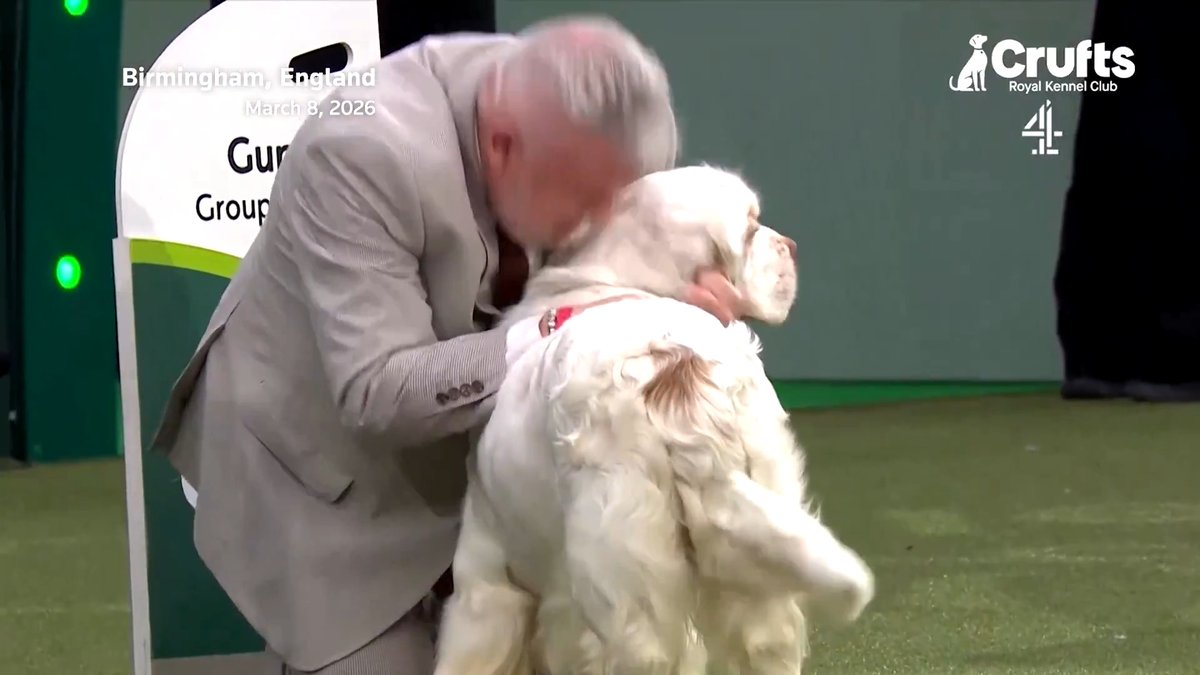
Although the incident occurred more than two decades ago, the revelation triggered an immediate wave of criticism from animal-welfare advocates and members of the public who questioned whether individuals with past cruelty convictions should be celebrated at major dog competitions.

Animal-rights groups including People for the Ethical Treatment of Animals and the RSPCA have called for stricter vetting processes for participants and judges at high-profile dog shows, arguing that past animal-welfare violations should disqualify individuals from representing the industry.
A petition circulating online has gathered thousands of signatures urging organizers, including The Kennel Club, to strip Cox of the title and implement lifetime bans for anyone with a record of animal cruelty.
The Kennel Club acknowledged the 2001 case but described it as an isolated incident that occurred more than 25 years ago, noting that Cox has maintained what they called an “unblemished record” in the decades since and has remained active in the dog-show world as a breeder and judge.
Despite that defense, the revelation has reignited debate about animal welfare standards in competitive breeding and dog shows. For many observers, the controversy has cast a shadow over what was meant to be a moment of triumph — transforming a celebrated victory in the show ring into a deeply polarizing discussion about accountability, history, and the standards expected in the world of champion dogs.