The Grand National Festival at Aintree is once again under intense scrutiny after a second horse, six-year-old Get On George, died following an incident during racing earlier today—just one day after the death of seven-year-old Gold Dancer. The back-to-back fatalities have cast a heavy shadow over one of Britain’s most iconic sporting events, reigniting long-standing concerns about animal welfare in elite horse racing.
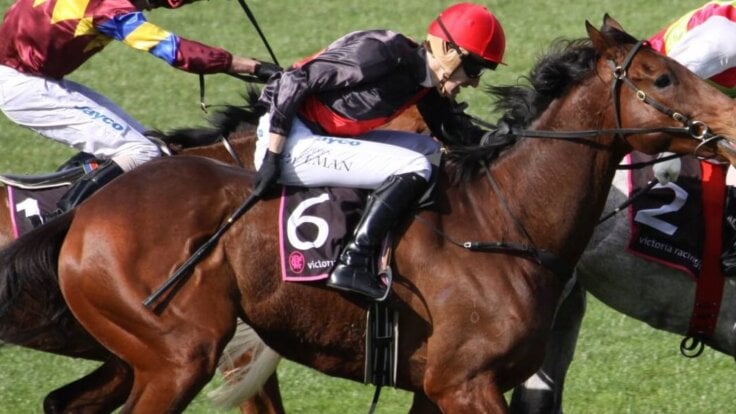
According to reports from the track, Get On George suffered a fatal injury during the race and could not be saved despite immediate veterinary response. The incident comes amid growing unease after Gold Dancer’s death the previous day, marking a deeply troubling pattern that critics say can no longer be dismissed as isolated events.
Campaigners point to a broader historical context: since the year 2000, at least 69 horses have died in connection with the Aintree Festival. For animal welfare groups, this statistic underscores what they describe as systemic risks inherent in the sport, particularly in high-intensity steeplechase events known for their demanding obstacles and speed.
The latest deaths follow closely on the heels of another controversial moment in the racing calendar, where four horses were killed during last month’s Cheltenham Festival. Together, these incidents have amplified calls from advocacy organizations and sections of the public urging a boycott of horse racing events, including abstaining from betting and viewership.
Some campaign groups, including long-standing animal protection advocates, are now renewing demands for a complete ban on commercial horse racing, arguing that the practice prioritizes entertainment and profit over animal welfare. They also point to recent political developments as a sign of shifting attitudes, noting that both the Welsh Senedd and the Scottish Parliament have taken steps to ban greyhound racing, which they view as part of a broader movement against exploitative animal sports.
Supporters of the racing industry, however, maintain that significant efforts have been made to improve safety conditions, including modifications to courses and enhanced veterinary oversight. They argue that while tragic, such incidents are rare relative to the scale of the sport and should be viewed within that context.
Nevertheless, the deaths of Get On George and Gold Dancer have once again forced a difficult conversation into the spotlight—raising questions not only about risk and responsibility, but about the future of a tradition that now faces increasing public and political pressure.