Sports media star Stephen A. Smith has become one of the most controversial voices in the aftermath of the Minneapolis ICE shooting that killed Renée Nicole Macklin Good, drawing intense criticism after publicly weighing in on the incident.
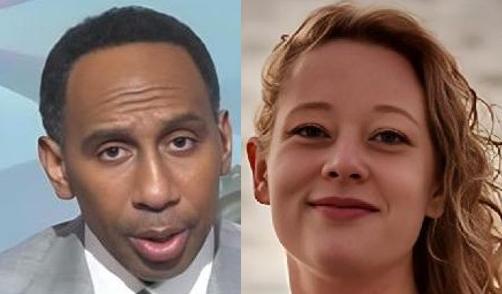
Smith — best known for his work in sports commentary — sparked widespread outrage when he described the fatal shooting as “completely justified” from a legal standpoint, even as he acknowledged moral discomfort with the deadly outcome. His remarks, delivered hours after the incident on his SiriusXM show Straight Shooter, echoed elements of the federal narrative defending the ICE agent’s actions while sidestepping the growing body of video evidence and eyewitness accounts that contradict claims Good posed an imminent threat.
The backlash was swift and sharp. Critics accused Smith of speaking on an issue far outside his expertise and of giving cover to law enforcement actions that many view as unjustified and excessive. Some commentators went further, questioning his motives and framing his stance as an attempt to align with certain audiences or interests.
Responding to the uproar, Smith insisted that his comments were mischaracterized by media reports, clarifying that he intended to speak strictly about legal justification — not moral approval — and that headlines oversimplified his nuanced view. He also pushed back against calls for his removal from platforms and defended his right to address controversial topics beyond sports.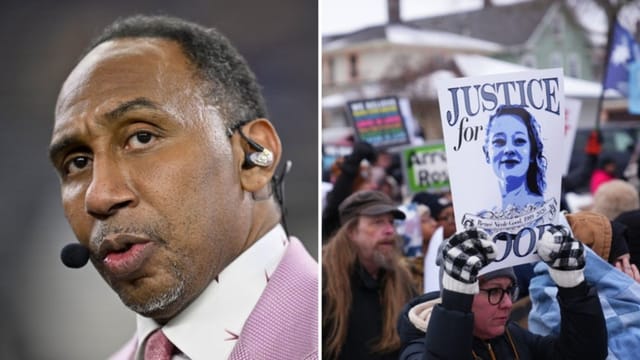
The exchange has pushed the conversation around the shooting into new territory, turning a polarizing public safety incident into a broader cultural clash over media influence, accountability, and the responsibilities of high-profile commentators in shaping national debate.
As the controversy continues, one question looms: Can a sports figure comment on issues of life and death without fueling division — or has Smith crossed a line that now defines the national discourse?