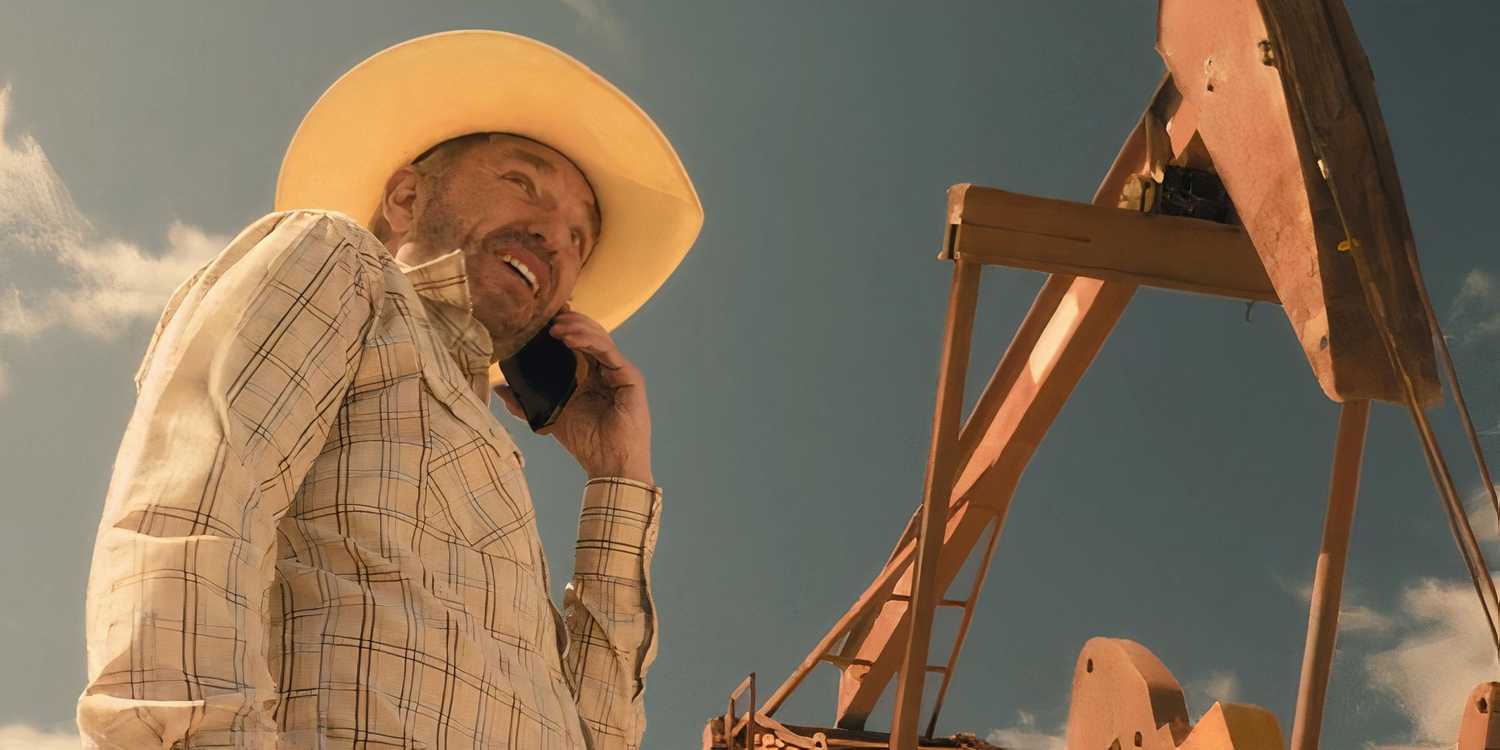
What Is a Landman? This TCU Course Inspired by the Hit TV Series Finally Breaks It Down
Thanks to a hit TV series putting the profession in the spotlight, a lot of people are suddenly asking the same question:
What exactly is a landman?
It’s a job that sounds mysterious, carries real power, and plays a crucial role in the energy industry—yet most people have never heard of it until now. That’s why a new course at Texas Christian University (TCU) is turning heads: it promises to explain what landmen actually do, why they matter, and how this behind-the-scenes career shapes real-world decisions worth millions.
And no, it’s not just for oil executives or law students.
The Career Everyone’s Googling After the Show
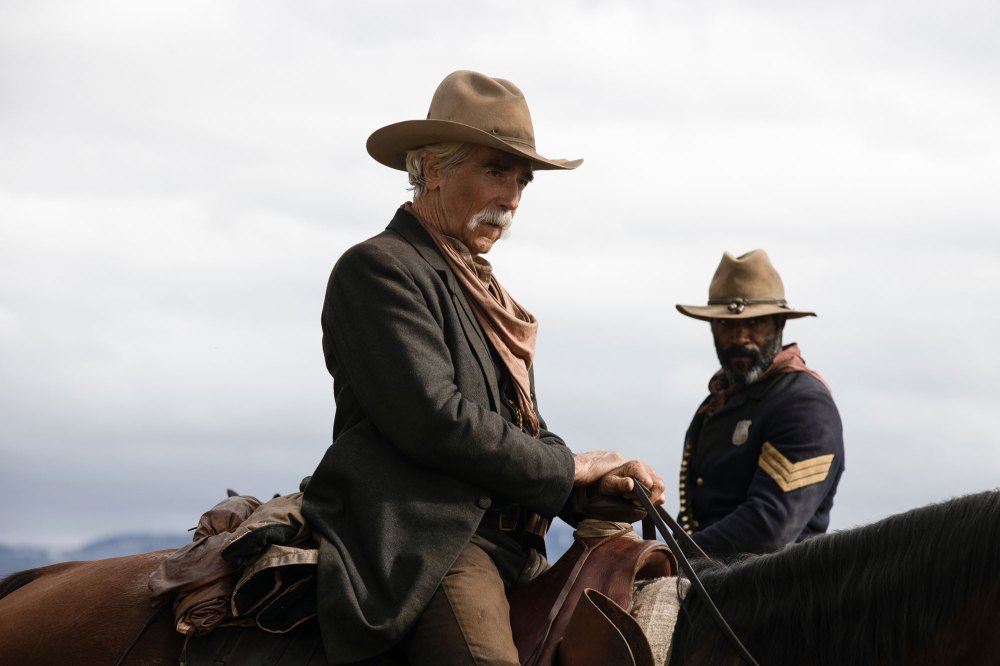
In the TV series that sparked the conversation, landmen are portrayed as dealmakers navigating high-stakes negotiations, legal gray areas, and the complex relationships between landowners, corporations, and communities.
While television dramatizes the job, the core of it is very real.
A landman is essentially the bridge between land ownership and energy development. They research property rights, negotiate leases, manage contracts, and make sure companies have the legal permission to explore or extract resources—often oil, gas, or renewables.
Without landmen, projects don’t move forward.
Why TCU Turned This Into a Course
TCU recognized something important: curiosity.
As the show gained popularity, interest in the profession spiked—not just among viewers, but among students looking for careers that combine business, law, negotiation, and real-world impact.
The university’s course takes inspiration from the public fascination but grounds everything in reality. It focuses on:
-
How land ownership works
-
Why mineral rights matter
-
How negotiations actually happen
-
The ethical and legal responsibilities landmen carry
Rather than glamorizing the role, the class breaks it down step by step—showing students what the job really involves and why it’s so critical.
More Than Oil and Gas
One of the biggest misconceptions is that landmen only work in oil and gas.
In reality, the skill set applies far beyond fossil fuels. Modern landmen are increasingly involved in:
-
Wind and solar projects
-
Pipeline and infrastructure development
-
Environmental and land-use planning
-
Renewable energy expansion
That versatility is part of why the profession remains in demand—and why universities are paying attention.
Why This Career Appeals to a New Generation

Students drawn to the course aren’t just chasing money or TV-style drama. Many are intrigued by the combination of:
-
Research and investigation
-
Negotiation and communication
-
Law, ethics, and business strategy
It’s a career that rewards people who like solving problems, understanding complex systems, and working directly with people—not just behind a desk.
And unlike many professions, landmen often see the direct results of their work on communities, economies, and landscapes.
TV Sparked the Interest — Education Makes It Real
While the hit series may have introduced the term to millions, TCU’s course is doing something more valuable: separating fact from fiction.
Students learn what’s accurate, what’s exaggerated, and what the job actually looks like day to day. For some, it confirms a career path. For others, it simply demystifies a profession that quietly influences massive decisions across the country.
Either way, it answers the question everyone’s asking.
So… What Is a Landman?
A landman is part negotiator, part researcher, part legal navigator—and an essential player in how land, resources, and energy are developed.
And thanks to pop culture and education colliding, it’s no longer a mystery.