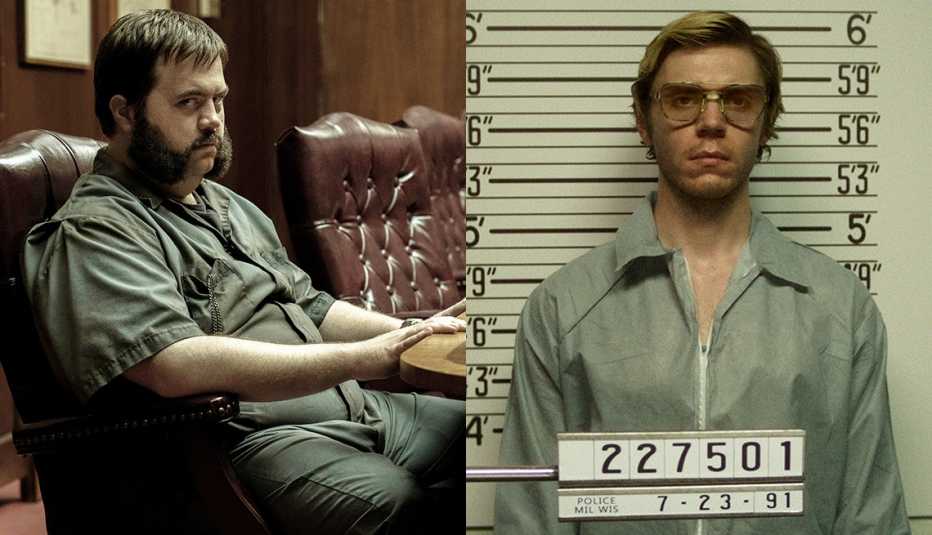
“EVEN EVIL HAS FANS. AND THAT’S F*ED UP.”
It’s not a slogan meant to shock — it’s a mirror. And it’s hard to look away from what it reflects.
This week, Paramount+ steps into some of the most uncomfortable territory true crime has ever explored. Not just the violence. Not just the crime. But us — the audience, the commenters, the people who watched something horrific turn into entertainment in real time.
When a Crime Becomes Content
It starts with a brutal act committed by a 25-year-old man in Florida. The details are grim, but the series understands something crucial: you don’t need to linger on gore to make this story disturbing.
What makes it unsettling is what happens after.
A mugshot appears online.
A tattooed face.
A blank stare.
Within hours, the internet does what it does best — and worst. The crime mutates into content. Memes spread. Threads explode. Fan edits circulate. People argue, speculate, and obsess. The trial becomes a spectacle. The algorithm rewards attention, not empathy.
And somehow, quietly, horrifyingly —
even evil finds fans.
A Docuseries That Pulls the Camera Back
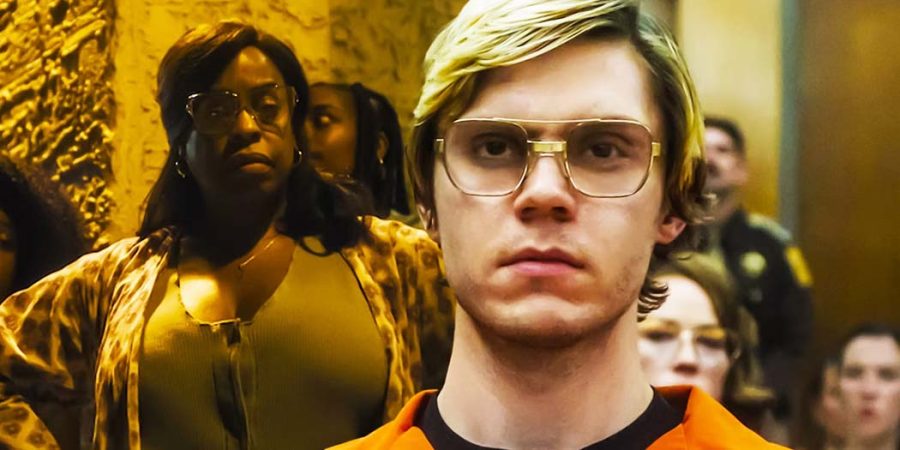
This isn’t a flashy reenactment or a slickly produced whodunit. The series grounds itself in reality, using real police body-camera footage and firsthand interviews to strip away the viral noise.
As the likes pile up and the posts go viral, the documentary keeps asking the question most coverage avoids:
What was lost while everyone was watching?
Victims fade into the background. Families grieve off-screen. Context disappears. What remains is a character — flattened, stylized, and consumed like any other piece of online media.
The series doesn’t tell you what to think. It lets the footage, the silence, and the aftermath speak for themselves.
Why Do We Look?
The most unsettling moments aren’t violent. They’re familiar.
Scrolling.
Commenting.
Laughing at something that shouldn’t be funny.
Staying just a little longer than we should.
This is a true crime story that refuses to flatter its audience. It doesn’t frame curiosity as harmless. It doesn’t pretend detachment equals innocence. Instead, it confronts the uncomfortable truth: cruelty becomes entertainment frighteningly fast — and once it does, it’s almost impossible to look away.
Not an Easy Watch — But a Necessary One

This isn’t disturbing because of what you see.
It’s disturbing because of what you recognize.
By the time the series ends, the crime itself feels almost secondary to the culture that formed around it — a culture that blurs outrage and obsession until they’re indistinguishable.
“Even evil has fans.”
And after watching this, you’ll understand exactly why that sentence should make you deeply uncomfortable.