Finding Wisdom and Hope in A Charlie Brown Christmas
Every December, amid the noise of modern holidays, one quiet half-hour keeps finding its way back into our living rooms. No explosions of cheer. No glossy spectacle. Just a small, hesitant boy, a crooked tree, and a question that still feels uncomfortably relevant: Is this all there is to Christmas?
That’s the enduring power of A Charlie Brown Christmas. Nearly sixty years after it first aired, it remains less a cartoon than a gentle meditation on loneliness, faith, and hope — one that somehow grows more meaningful as the world grows louder.
Charlie Brown’s Quiet Question
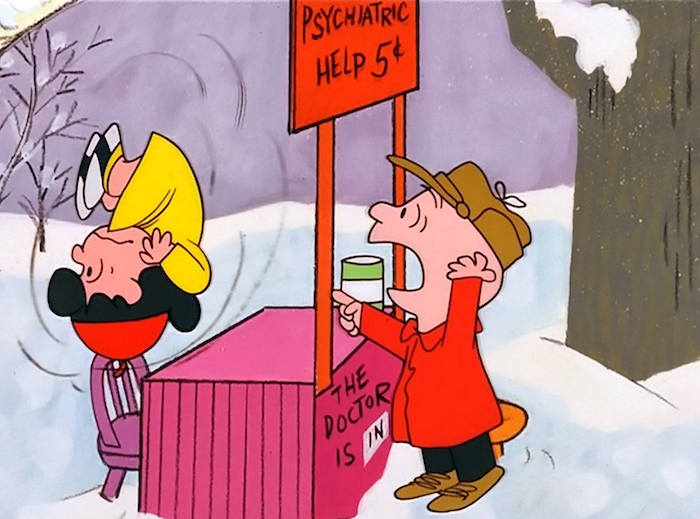
At the center is Charlie Brown, a child who feels disconnected in a season designed to make everyone look happy. He isn’t cynical. He’s confused. Surrounded by commercial excess and performative joy, Charlie Brown simply wonders why he still feels empty.
That question lands harder today than it did in 1965.
In a culture driven by consumption, comparison, and constant performance, Charlie Brown’s anxiety feels familiar — to adults as much as children. His struggle isn’t about Christmas decorations or parties; it’s about belonging and meaning.
And that’s why he still resonates.
The Power of Linus’s Stillness

The most famous moment comes when Linus van Pelt steps into a spotlight and recites the Nativity story from the Gospel of Luke. There’s no background music. No visual flourish. Just a child’s voice cutting through chaos with calm certainty.
It’s a reminder that meaning doesn’t need to shout.
What makes the scene extraordinary isn’t religious sentiment alone — it’s the stillness. In a world constantly demanding attention, A Charlie Brown Christmas pauses. And in that pause, it invites reflection.
A Crooked Tree and a Straight Truth
The infamous little tree — thin, bent, and dismissed by everyone else — becomes the special’s quiet symbol. It’s imperfect. Unimpressive. Almost laughable.
And yet, when Charlie Brown shows it care, the tree transforms.
The message is simple, but not simplistic: worth isn’t determined by appearance or popularity. Care can redeem what the world overlooks. That idea, delivered without sentimentality, carries a kind of wisdom many adults spend years relearning.
Why This Story Endures

Created by Charles M. Schulz, the special refuses easy optimism. It doesn’t pretend sadness disappears at Christmas. Instead, it suggests something more honest: hope doesn’t erase pain — it coexists with it.
That’s why this story doesn’t age out. Children see themselves in Charlie Brown’s confusion. Adults recognize their own fatigue. And both find comfort in a message that doesn’t demand perfection — only sincerity.
Even the jazz score by Vince Guaraldi reinforces that tone: reflective, gentle, and slightly melancholy. It sounds like winter feels.
Hope, Not Hype
In a season saturated with noise, A Charlie Brown Christmas offers something radical: restraint. It suggests that joy isn’t manufactured, that meaning isn’t purchased, and that hope often arrives quietly — through kindness, honesty, and care for the overlooked.
That’s wisdom.
And in uncertain times, it’s also hope.
Every year, viewers return not because the special dazzles, but because it understands something essential about being human. And as long as people keep asking Charlie Brown’s question — What does it all mean? — this small, sincere story will keep offering an answer worth hearing again.