Hugh Jackman Is About to Rewrite the Legend: A Brutal, Wounded Robin Hood Emerges for 2026
For decades, Robin Hood has been portrayed as a swashbuckling hero — fearless, charming, and nearly untouchable. But in 2026, that image is about to be torn apart.
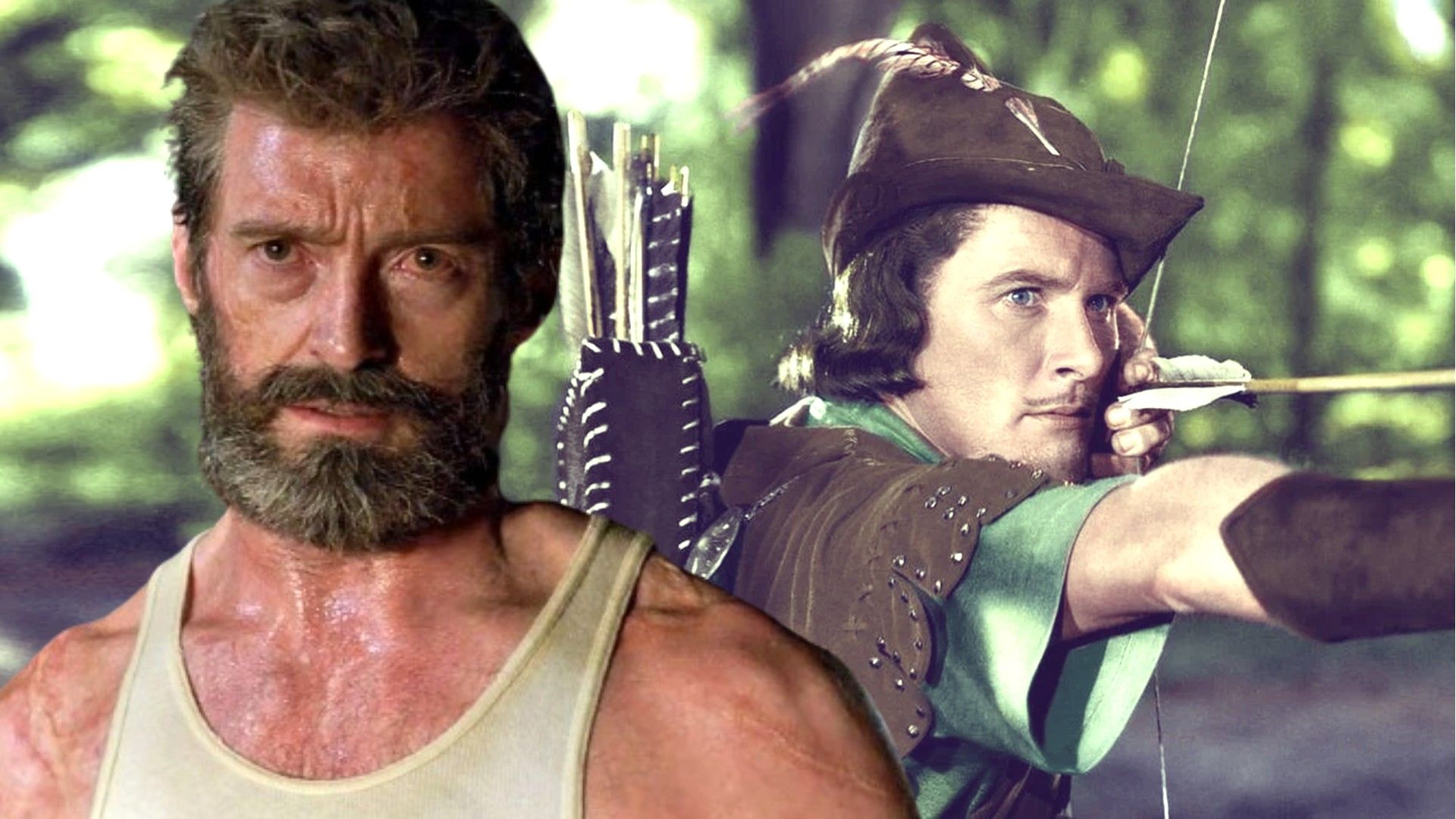
Hugh Jackman is stepping into the iconic role in what insiders are calling the darkest, most emotionally devastating adaptation of Robin Hood ever attempted. This is not the outlaw of ballads and bedtime stories. This is a man broken by violence, haunted by the legend built around his name, and forced to confront the cost of surviving too long in the shadows.
A Robin Hood Who Bleeds — and Knows It

In this reimagining, Robin doesn’t begin as a triumphant hero. He begins as a survivor. Gravely wounded after a battle he never expected to walk away from, Robin is physically shattered and emotionally exhausted. The years of rebellion, bloodshed, and sacrifice have caught up with him — and the myth that once protected him now threatens to consume what’s left of the man underneath.
Jackman’s portrayal leans hard into vulnerability. This Robin Hood is older, scarred, and painfully aware that legends don’t save lives — they destroy them. And just when he believes his story is over, he’s offered something far more dangerous than another fight: the possibility of redemption.
The Woman Who Sees the Man, Not the Myth

Enter a mysterious woman who refuses to see Robin Hood as a symbol. She sees his fear, his regret, and his exhaustion — and challenges him to imagine a future not defined by violence. Their relationship isn’t romantic fantasy; it’s raw, tense, and deeply human, forcing Robin to confront who he has become and whether salvation is something he can truly earn.
This emotional core is what separates the film from every version that came before it. Redemption here isn’t granted. It’s paid for — in pain, loss, and impossible choices.
A Cast Built for Intensity
Backing Jackman is a powerhouse ensemble that signals just how serious this adaptation intends to be. Jodie Comer, Bill Skarsgård, Noah Jupe, and Murray Bartlett bring a level of dramatic credibility rarely associated with Robin Hood adaptations.
Each character is rumored to inhabit moral gray zones — allies who may betray, enemies who may be right, and loved ones who demand accountability rather than blind loyalty. This is a world where no one escapes untouched.
Epic in Scale, Intimate in Impact
While the film promises sweeping battles, harsh medieval landscapes, and visceral realism, its true ambition lies in its intimacy. This is a story about aging, consequence, and what happens when a man outlives the version of himself the world still worships.
Early descriptions suggest a tone closer to a historical reckoning than a traditional adventure — grounded, unflinching, and emotionally relentless. Pain, regret, love, and redemption aren’t presented as fantasy ideals, but as brutal, earned experiences.
Not a Retelling — A Reckoning
This isn’t just another Robin Hood movie. It’s a confrontation with the myth itself.
By stripping away the romantic gloss and focusing on the human cost of rebellion, the 2026 film asks uncomfortable questions: What happens after the songs end? What does justice look like when you’re tired of fighting? And can a man ever escape the legend that made him famous?
If the early promise holds true, this may be the most dangerous, human, and unforgettable Robin Hood ever brought to the screen — and the role that redefines Hugh Jackman for a new era.
One thing is certain: when this outlaw rises in 2026, he won’t be asking for your cheers.
He’ll be demanding that you see him.