IT: Welcome to Derry May Be Destroying Its Most Iconic Monster — And Most Viewers Don’t See It Yet
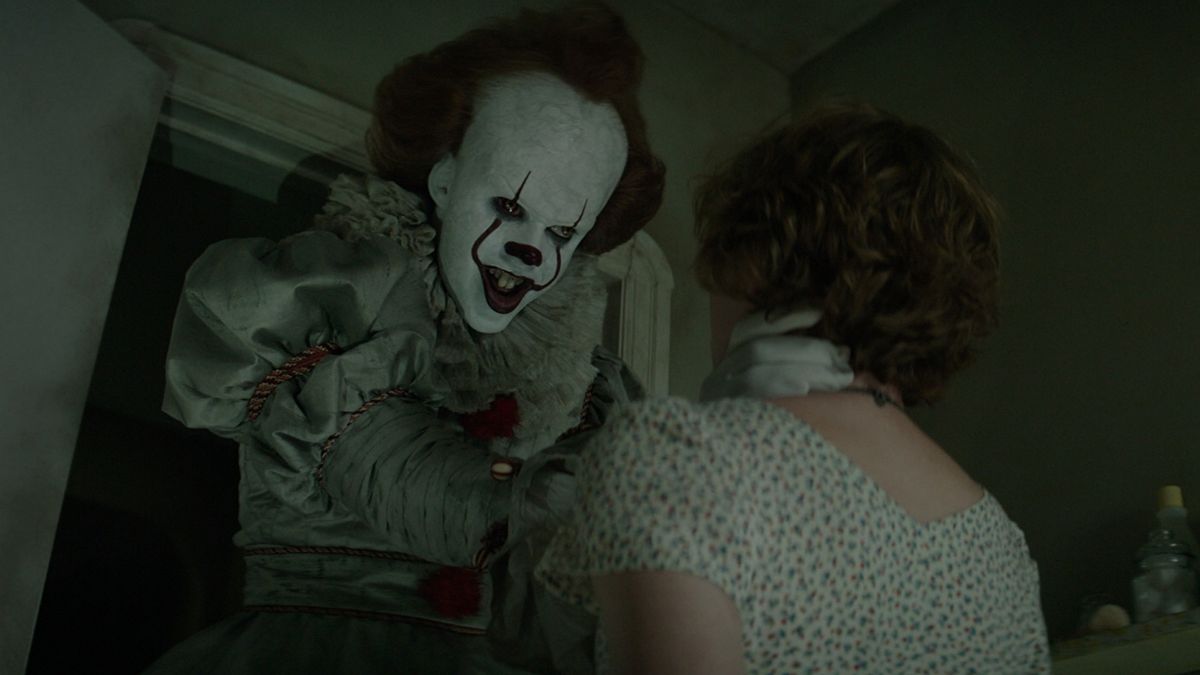
For a brief, terrifying moment, Welcome to Derry did the impossible.
It made Pennywise scary again.
Not with jump scares.
Not with gore.
But with absence.
For the first four episodes, the series showed remarkable restraint. The clown stayed hidden. Evil seeped through walls, glances, and silences. Derry itself felt infected—like a town breathing something rotten. Fear wasn’t shown. It was felt.
And audiences responded. Slowly, uneasily, that old dread crept back in.
But then the show crossed a line horror was never meant to cross.
It tried to explain the nightmare.
Why Pennywise Was Never Supposed to Make Sense

In Stephen King’s original IT, Pennywise is not a villain you “understand.”
It is:
-
A cosmic entity
-
A shape-shifting nightmare
-
A being whose true form is so incomprehensible that merely witnessing it shatters the human mind
Pennywise isn’t scary because of what it does.
Pennywise is scary because it cannot be fully known.
The moment you define it, label it, or rationalize it—you weaken it. Mystery isn’t a flaw in horror. It is the engine.
King understood that. So did the earliest adaptations, even with their limitations. Pennywise worked because it existed just beyond comprehension, like a bad dream that refuses to resolve.
The Moment Welcome to Derry Breaks the Spell
Then Welcome to Derry starts asking the wrong questions.
Who is Pennywise?
Why the clown?
Why Derry?
Why now?
At first, it feels harmless—world-building, lore, depth.
But horror doesn’t work like fantasy or sci-fi. You don’t strengthen fear by explaining it. You dissolve it.
Once the series begins pulling back the curtain, Pennywise stops being an unknowable force and starts becoming a problem to be solved. A creature with rules. A system. A logic.
And logic is poison to fear.
From Cosmic Horror to Comprehensible Threat
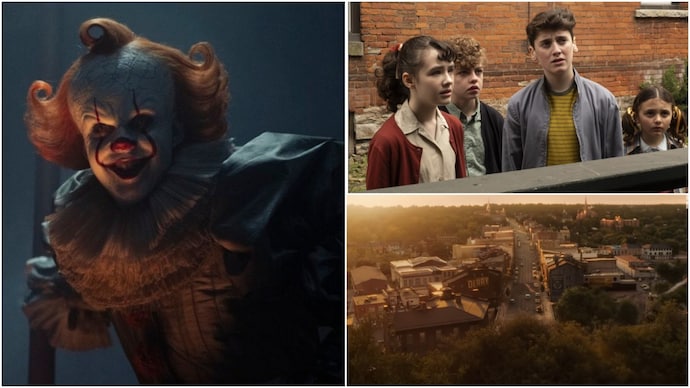
The danger isn’t that the answers are bad.
The danger is that answers exist at all.
Every explanation shrinks Pennywise just a little:
-
From cosmic terror to entity
-
From entity to origin
-
From origin to motivation
And once motivation enters the picture, fear starts slipping through the cracks.
What once haunted audiences for decades now risks becoming… manageable. Understandable. Ordinary.
The clown stops being a nightmare that crawls out of the void and starts feeling like something that could be outsmarted with the right information.
That shift may feel subtle now—but it’s irreversible.
Why This Could Damage the Entire Franchise
Pennywise isn’t just another horror villain. He’s one of the few monsters in modern culture that still feels mythic. Timeless. Unfinished.
If Welcome to Derry completes that myth—if it explains too much, too clearly—it doesn’t just affect this series.
It rewrites how Pennywise exists forever.
Future stories won’t be able to return him to mystery. Audiences will carry the explanations with them. The dread will be contextualized. The unknown will be gone.
And once fear is understood, it can never be unlearned.
The Tragedy Hiding in Plain Sight
The cruel irony?
Welcome to Derry proves it knows better.
Its earliest episodes demonstrate absolute mastery of restraint. The show understands atmosphere. It understands silence. It understands that horror lives in what you don’t show.
Which makes the shift toward explanation feel not accidental—but fatal.
Because this isn’t just a creative risk.
It’s the kind of mistake horror franchises don’t recover from.
The Question That Now Haunts the Series
The scariest thing about Welcome to Derry isn’t Pennywise.
It’s this:
Once a nightmare is explained…
can it ever be terrifying again?
And if the series continues down this path, it may not just demystify Pennywise.
It may quietly erase what made him immortal in the first place.