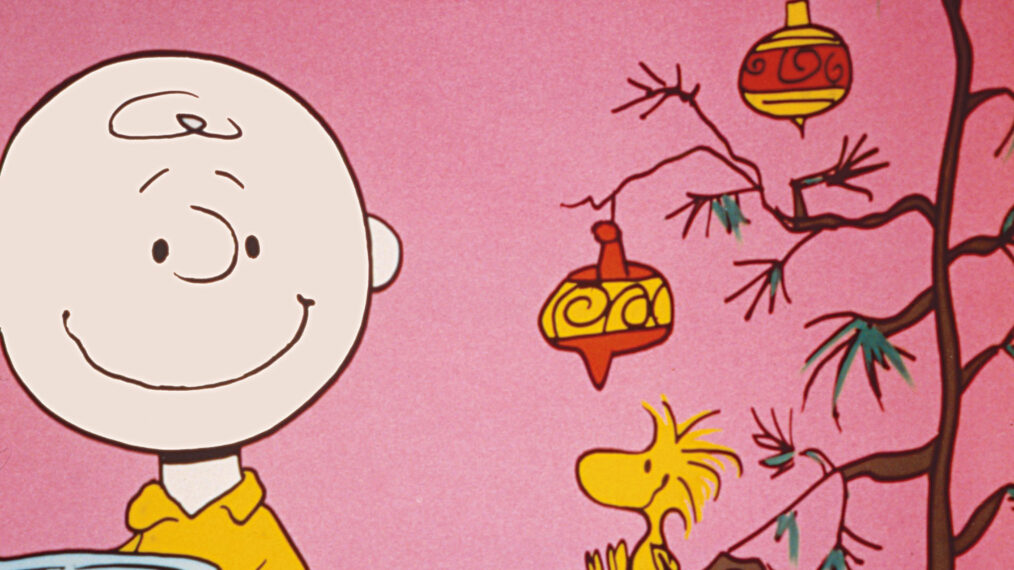
Why A Charlie Brown Christmas Almost Wasn’t Made
Today, A Charlie Brown Christmas is as much a part of the holiday season as lights on a tree or snow on the ground. But what most viewers don’t realize is that this beloved classic came terrifyingly close to never existing at all.
In fact, nearly everything that made it special was the very reason executives wanted to stop it.
A Holiday Special That Broke Every Rule
In the mid-1960s, television executives had a very clear idea of what a Christmas special should be: loud, colorful, fast-paced, and relentlessly cheerful. Laugh tracks were mandatory. Songs had to be familiar. Energy mattered more than emotion.
What creator Charles M. Schulz proposed was the opposite.
His story centered on loneliness, insecurity, and disappointment. The hero wasn’t triumphant — he was sad. The Christmas tree wasn’t magical — it was droopy. And instead of jokes stacked on jokes, the script allowed silence to linger.
Executives were immediately uneasy.
The Jazz That Nearly Killed the Project

One of the first red flags was the music.
Rather than traditional Christmas carols, Schulz and producer Lee Mendelson hired jazz musician Vince Guaraldi to compose the score. His cool, melancholy piano themes were nothing like what networks expected for a family holiday broadcast.
CBS executives reportedly worried the music felt “too sophisticated,” too slow, and too strange for children. To them, it sounded like a mistake.
Today, it’s iconic.
Children Who Sounded Like Children
Then there was the voice acting.
Instead of adult actors mimicking kids, the production used real children — complete with awkward pauses, uneven delivery, and imperfect timing. Network executives were horrified. They thought it sounded amateurish and unpolished.
Schulz insisted that was the point.
Real kids sounded real. And Charlie Brown’s vulnerability depended on that authenticity.
The Moment That Truly Terrified the Network
If the jazz and pacing didn’t scare CBS enough, one scene nearly ended the special altogether.
In the middle of the program, Linus walks onstage and calmly recites verses from the Gospel of Luke — a direct, unfiltered retelling of the Nativity story.
No jokes.
No irony.
No disclaimer.
Religion on prime-time television was considered a massive risk, especially in an animated special aimed at families. Executives warned Schulz that the scene could alienate viewers and sponsors.
Schulz refused to remove it.
“If we don’t do it,” he reportedly said, “who will?”
An Unfinished Special That Aired Anyway
As the airdate approached, confidence was low.
The animation was simple. The pacing was slow. The tone was somber. Executives at CBS privately believed the special would fail — or worse, embarrass the network.
When A Charlie Brown Christmas finally aired in December 1965, it wasn’t even fully polished. There wasn’t time.
Then something unexpected happened.
A Quiet Triumph
Instead of turning away, audiences leaned in.
Viewers recognized themselves in Charlie Brown’s doubts. They felt seen in the sadness beneath the tinsel. And Linus’s speech — the moment everyone feared — became the emotional heart of the entire program.
Ratings soared. Reviews were glowing. The special won an Emmy and a Peabody Award.
The same elements executives wanted removed became the reason the show endured.
Why It Still Matters
Nearly 60 years later, A Charlie Brown Christmas feels more radical than ever.
It doesn’t shout.
It doesn’t sell joy.
It admits that holidays can be lonely.
And in a media landscape saturated with noise, its restraint feels revolutionary.
The irony is unmistakable: the special almost wasn’t made because it refused to conform — and it survived precisely because it didn’t.