Why A Charlie Brown Christmas Almost Didn’t Air — And Why It Still Endures Nearly 60 Years Later
Today, it’s untouchable — a holiday ritual passed down from grandparents to grandchildren, quoted by heart and played year after year. But in 1965, A Charlie Brown Christmas came dangerously close to never airing at all.
What executives once feared would fail has become one of the most beloved Christmas broadcasts in television history — precisely because it refused to follow the rules.
A Special That Terrified Network Executives
When Charles M. Schulz agreed to bring his Peanuts characters to primetime television, CBS expected something safe, cheerful, and conventional.
What they got instead was everything television wasn’t supposed to be.
The animation was minimal.
The pacing was slow.
The dialogue felt quiet and introspective.
Worst of all (in executives’ minds), there was no laugh track — a near-sacrilege in 1960s television. To make matters even riskier, Schulz insisted on including a direct Bible passage, delivered solemnly by Linus, in the middle of a holiday cartoon.
CBS executives reportedly watched the final cut in silence — then panicked.
They believed the special was too sad, too religious, too understated, and far too unconventional to hold an audience. One executive famously summarized the reaction bluntly: “I think we blew it.”
But with the airtime already purchased, they had no choice.
The Night Everything Changed
When A Charlie Brown Christmas aired in December 1965, more than 15 million viewers tuned in.
Instead of rejection, the response was overwhelming admiration.
Audiences recognized something rare — a Christmas story that didn’t shout, sell, or sugarcoat. Charlie Brown’s quiet loneliness resonated. His frustration with commercialism felt honest. And Linus’ simple recitation of the Gospel of Luke delivered something television rarely offered: sincerity.
That moment — still replayed decades later — became the emotional spine of the entire special.
The Music That Redefined Christmas Soundtracks
Another gamble nearly doomed the project: jazz.
Instead of a traditional orchestral score, Schulz selected Vince Guaraldi, whose soft piano melodies were considered risky and unconventional for an animated holiday special.
Today, Guaraldi’s score is inseparable from Christmas itself.
“Linus and Lucy,” “Christmas Time Is Here,” and the gentle instrumental themes didn’t just support the story — they created an atmosphere of warmth, melancholy, and reflection that perfectly matched Charlie Brown’s inner world.
What once felt strange became timeless.
Why It Still Works When Everything Else Changes
Unlike many holiday specials that rely on spectacle or sentimentality, A Charlie Brown Christmas speaks quietly — and trusts its audience.
It acknowledges loneliness during the holidays.
It questions materialism without preaching.
It allows children to feel confused, sad, and hopeful all at once.
And it does something profoundly rare: it pauses.
In a media world built on speed, noise, and constant stimulation, the stillness of Charlie Brown feels almost radical — even now.
A Legacy Built on Risk and Honesty

What nearly killed A Charlie Brown Christmas is exactly what saved it.
Its refusal to chase trends.
Its willingness to include faith without spectacle.
Its belief that children — and adults — could sit with silence, sadness, and meaning.
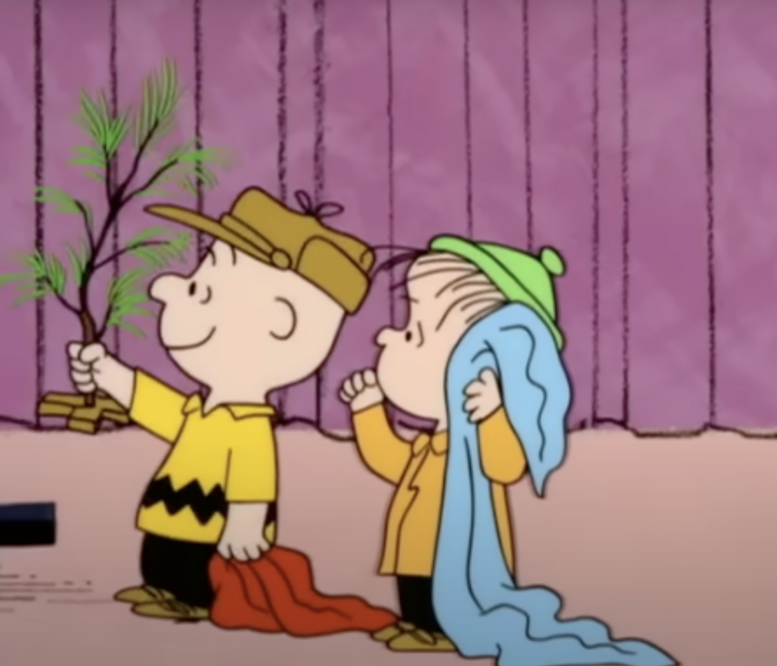
Nearly 60 years later, the small tree still stands tall. The piano notes still drift softly. And Linus still steps into the spotlight to remind viewers what Christmas is really about.
The special didn’t endure because it tried to be timeless.
It endured because it dared to be truthful.
And that’s why, year after year, we keep coming back — not just to watch it, but to feel it again.